


Ford Everest Problems: 5 Faults Every SA Owner Must Know (Owner's Guide)

Quick Info
Estimated Repair Cost
Estimated Repair Time
Key Takeaways
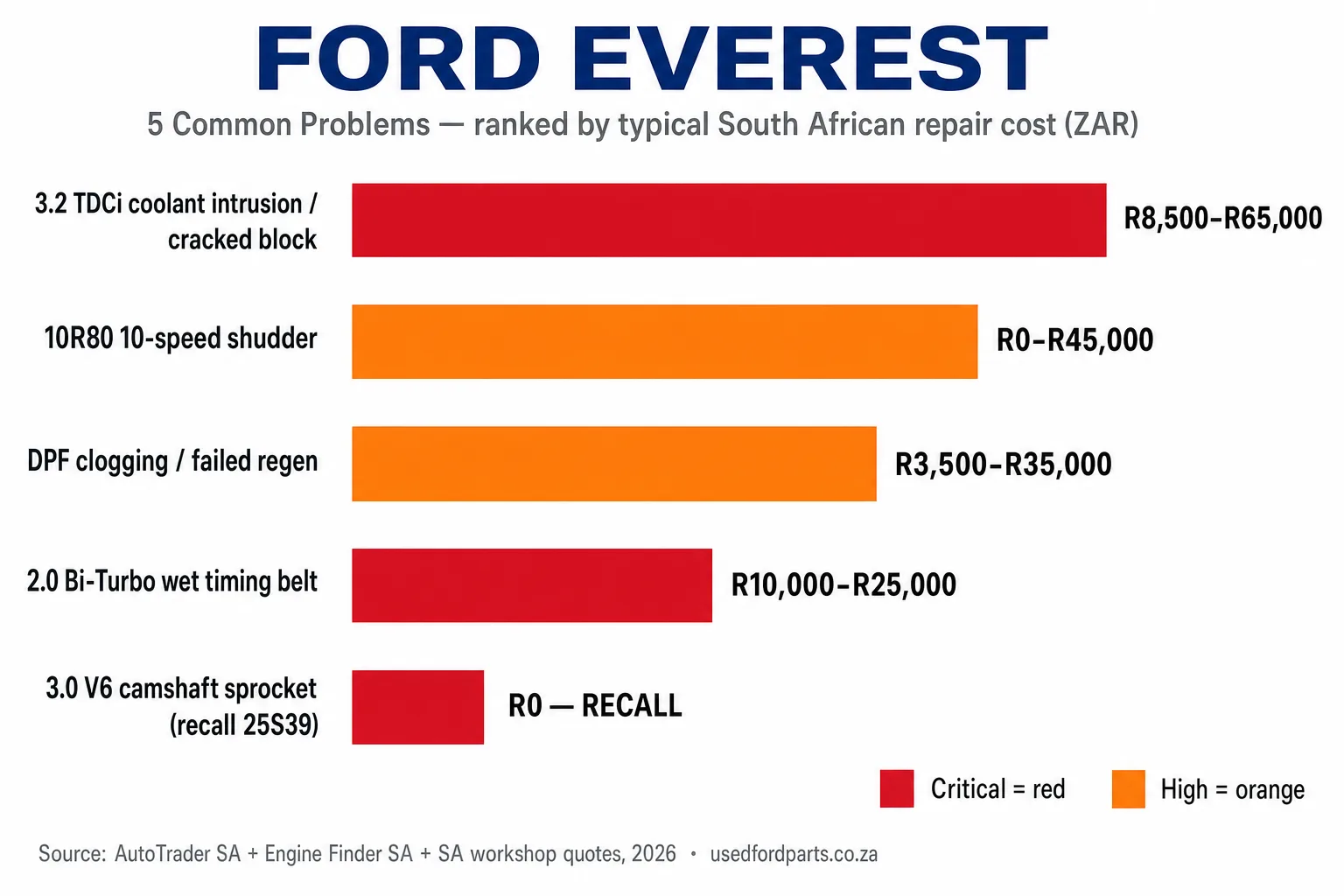
| Problem | Severity | Typical SA Cost (ZAR) |
|---|---|---|
| 2.0 Bi-Turbo wet timing belt failure (next-gen) | Critical | R10,000 – R25,000 / R45,000+ if it snaps |
| 3.2 TDCi coolant intrusion & cracked block (1st-gen) | Critical | R8,500 – R15,000 / R35,000 – R65,000 |
| 10R80 10-speed automatic shudder | High | R0 (reflash) – R45,000+ |
| DPF clogging & failed regeneration | High | R3,500 – R35,000 |
| 3.0 V6 camshaft sprocket fracture — SA recall | Critical | R0 (recall) |
The Ford Everest is one of South Africa’s most capable seven-seat SUVs, sold here across two distinct generations — the 1st-gen (2015–2022) T6-platform car carrying the 3.2 TDCi Duratorq five-cylinder and 2.2 TDCi diesels, and the next-generation (2022–present) car running the 2.0 Bi-Turbo Panther four-cylinder, the 3.0 V6 Lion turbodiesel, and the 2.3 EcoBoost petrol. Before you buy a used example, the generation tells you which fault profile applies: the older 3.2 has a coolant-intrusion problem that can crack the block, while the newer 2.0 Bi-Turbo runs a controversial “wet” timing belt that Ford SA is deleting entirely for 2026. There is also a fresh July 2025 SA safety recall on the V6. Here are the five fault clusters that matter, with real ZAR costs and exactly what to check. For a full view of available components, browse the Ford Everest parts catalogue.
Ford SA Recall — Check Your VIN Before Buying a V6
Ford South Africa issued a voluntary safety recall in July 2025 affecting the next-generation Everest fitted with the 3.0-litre V6 Lion turbodiesel.
The defect: The left-hand camshaft sprocket can fracture, causing the engine to stall without warning. A total of 479 Everest units were recalled across Southern Africa, of which 461 are in South Africa (7 in Botswana, 10 in Namibia, 1 in Eswatini), covering vehicles built between June 2022 and March 2025.[8][1][2]
Important: The 2.0-litre Bi-Turbo Panther engine is excluded from this recall — it has its own wet-belt issue covered below, but not the sprocket fault.
What to do: If you own or are buying a 2022–2025 Everest V6, present the VIN at any Ford dealership and confirm the recall has been actioned. Ford inspects and repairs affected vehicles free of charge.
1. 2.0 Bi-Turbo Wet Timing Belt Failure (Next-Gen, 2022+)
This is the single most important thing to understand about the next-generation Everest: the 2.0 Bi-Turbo Panther diesel uses a wet timing belt — a rubber belt that runs inside the engine, bathed in oil — and Ford itself is now deleting the design.
Symptoms owners report: Often there is no warning at all — a wet belt that fails takes the valves with it. Before that point, watch for a metallic rattle or chatter from the front of the engine, an oil pressure or check-engine light, oil that looks gritty or smells of fuel, and shortening intervals between top-ups. On a car still under its service plan, repeated dealer requests to bring the oil-change interval forward are a tell.
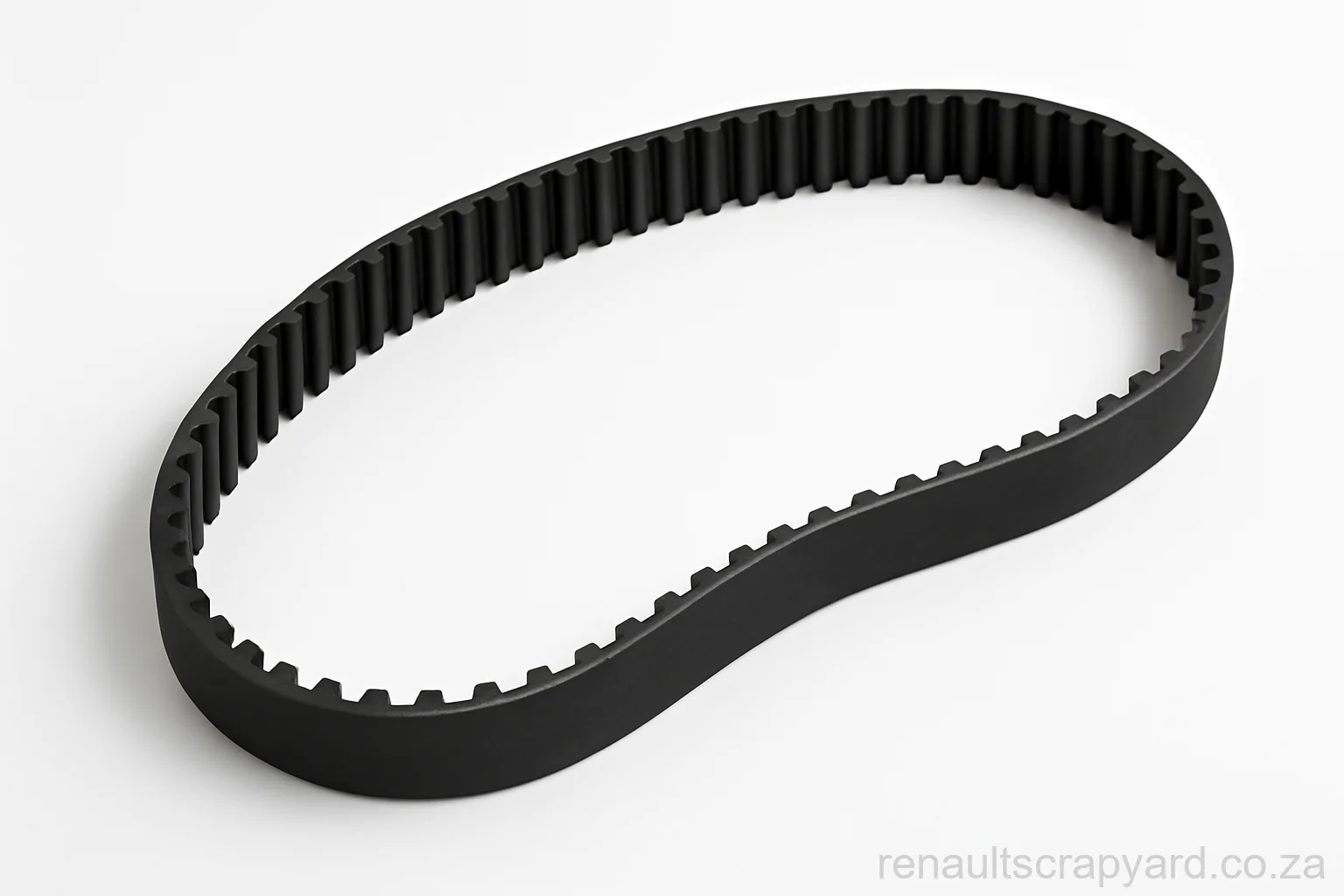
Root causes: The wet belt was chosen for quieter, lower-friction running, but it has been linked to durability problems globally — with some belts failing well before their scheduled service interval, often due to oil contamination from DPF regeneration cycles.[3] When a diesel does a lot of short, light-load trips, fuel from each DPF regen dilutes the oil; that diluted oil attacks the belt rubber, sheds fibres into the oil pickup, and a starved or skipped belt can snap. The consequences are bad enough that Ford SA confirmed it is dropping the Bi-Turbo and fitting a single-turbo 2.0 with a timing chain from the first half of 2026 — describing the change as a durability and reliability upgrade.[4]
SA cost range: A wet-belt service on these engines is labour-heavy — SA owners report quotes in the region of R10,000–R25,000 including parts and labour, the dealer figure landing toward the top of that band.[4] If the belt snaps and pistons meet valves, you are into a R45,000+ engine rebuild or used-engine swap — and the oil galleries must be flushed of shed belt debris before any new belt goes near them.
DIY Difficulty: Hard — specialist tooling and oil-bath belt experience required | Time: 6–10 hours
Critical Warning
On a wet-belt 2.0 Bi-Turbo, do not stretch oil changes. Use only the correct Ford-approved low-SAPS diesel oil, change it every service (or sooner for short-trip city use), and treat the belt as a scheduled replacement item — not a “lifetime” part — regardless of what the original service book implied.
Everest 2.0 Bi-Turbo Wet Belt Kit
Belt, tensioner and oil-pump drive as a matched set — the only correct way to service the Panther's wet timing system. We source kits for the next-gen 2.0 Bi-Turbo Everest. Browse our timing belt stock.
2. 3.2 TDCi Coolant Intrusion and Cracked Block (1st-Gen, 2015–2022)
If you are looking at a first-generation Everest 3.2, the EGR cooler is the component that can quietly turn a healthy diesel into a scrapped engine — and it is the same Duratorq five-cylinder unit fitted to the Ranger 3.2 of the era.
Symptoms owners report: Mysterious coolant loss with no puddle on the ground. White smoke from the exhaust, especially under load. The temperature gauge climbing on hills or when towing. A coolant header tank that pushes itself empty or overflows. Repeatedly topping up coolant without finding an external leak is the classic warning that it is going out through the exhaust via a cracked EGR cooler.
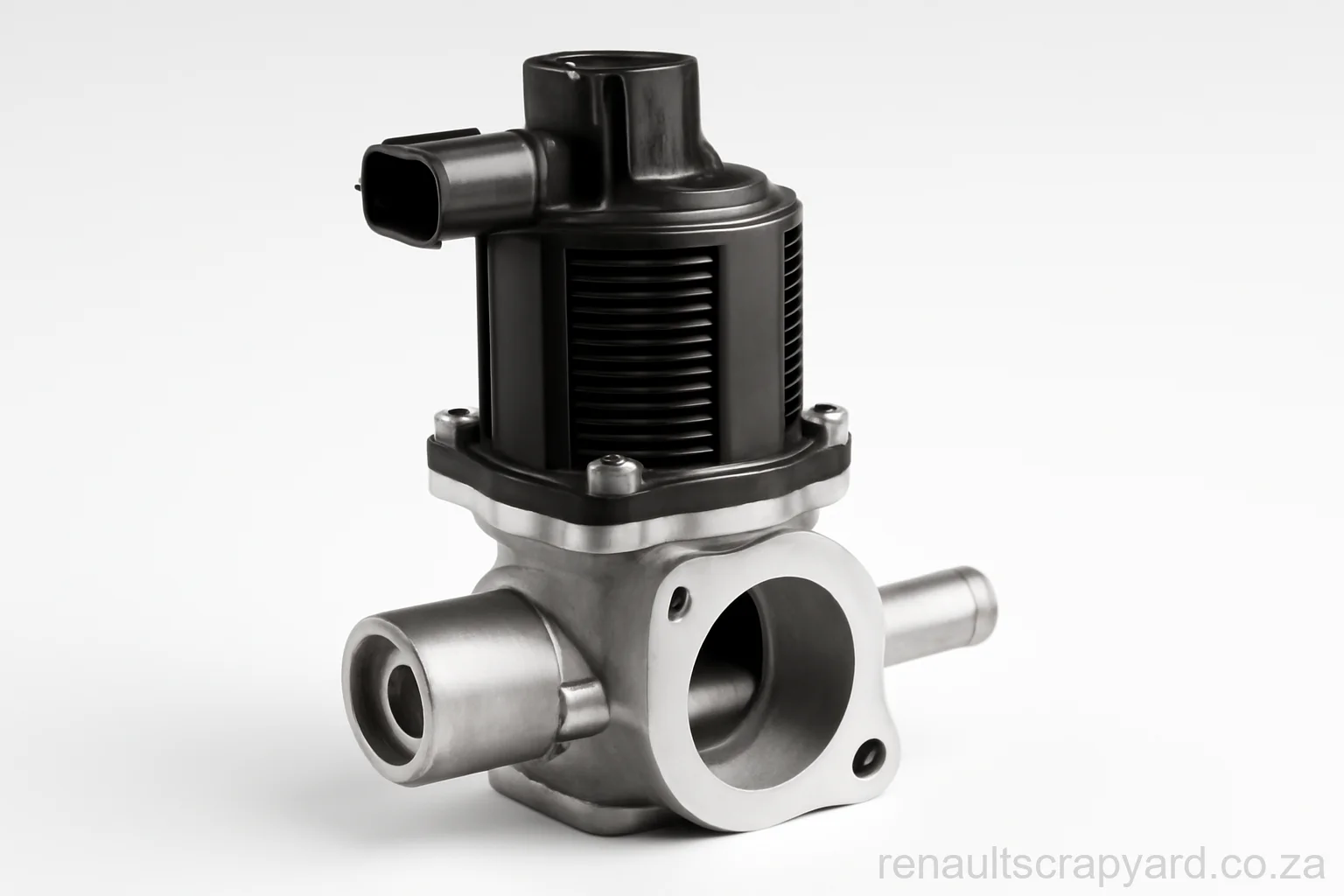
Root causes: The EGR cooler on the 3.2 TDCi corrodes and cracks internally over time, allowing coolant to leak into the intake and exhaust path. Coolant entering the combustion chamber causes rapid overheating, and a repeatedly overheated diesel can warp the cylinder head or, in severe cases, crack the block. The 3.2 also has documented oil-pump and turbo weaknesses that compound the picture — air ingestion during careless oil changes can cause pump cavitation, and excessive exhaust temperatures damage the turbo.[5] Many owners fit an EGR cooler bypass kit once they have been caught once.
SA cost range: EGR cooler replacement runs R8,500–R15,000 including parts and labour. If the overheating has already cracked the block or warped the head, a full rebuild or replacement engine is R35,000–R65,000. Turbo replacement on the same engine sits at R15,000–R25,000.
DIY Difficulty: Hard — cooling-system and forced-induction experience required | Time: 5–10 hours

Everest 3.2 TDCi Engine Block / Long Block
When coolant intrusion has cracked the block, a tested used or reconditioned block is far cheaper than a new dealer unit. We supply 3.2 Duratorq blocks and long-block assemblies. Browse our engine block stock.
3. 10R80 10-Speed Automatic Shudder and Harsh Shifting
Every next-generation Everest — whether 2.0 Bi-Turbo, 3.0 V6 or 2.3 EcoBoost — drives through Ford’s 10R80 10-speed automatic, a gearbox with a well-documented shudder and harsh-shift reputation.
Symptoms owners report: A vibration or rumble felt through the floor at light throttle, usually around lock-up. Jerky, clunky or hesitant changes — the box described in US litigation as making the vehicle “jerk, lunge, clunk, and hesitate” between gears.[6] Delayed engagement when pulling away, and firmer-than-normal upshifts and downshifts.

Root causes: The two most common culprits are valve-body wear (causing hard and delayed shifts) and torque-converter clutch glazing or shudder, both made worse by degraded transmission fluid.[7] Ford addressed the shifting complaints through a series of technical service bulletins and software updates — many cars are cured by a reflash and adaptive relearn drive cycle, with a valve-body overhaul reserved for cars that do not respond.[6] Keeping the fluid fresh is the single best preventative.
SA cost range: R0 if the fix is a dealer reflash under warranty. A fluid-and-filter service is R2,500–R5,000. A valve-body overhaul is R12,000–R25,000, and a full gearbox replacement on the 10R80 can reach R45,000+.
DIY Difficulty: Hard — fluid service is specialist; internal repair is workshop-only | Time: 2–10 hours
Everest 10R80 Complete Gearbox
When a 10R80 is past reflash territory, a tested complete gearbox is the cost-effective route versus a new dealer unit. We source 10R80 boxes for the next-gen Everest. Browse our complete gearbox stock.
4. DPF Clogging and Failed Regeneration
Every diesel Everest — 3.2 TDCi, 2.0 Bi-Turbo and 3.0 V6 — carries a diesel particulate filter (DPF), and the way the car is driven decides whether that filter stays healthy or becomes a recurring bill.
Symptoms owners report: A DPF or engine warning light. Noticeable power loss or limp mode. Worse fuel consumption. A strong smell during a regen, or regens that seem to run constantly. Repeated short, cold trips that never finish a regen cycle are the common thread.
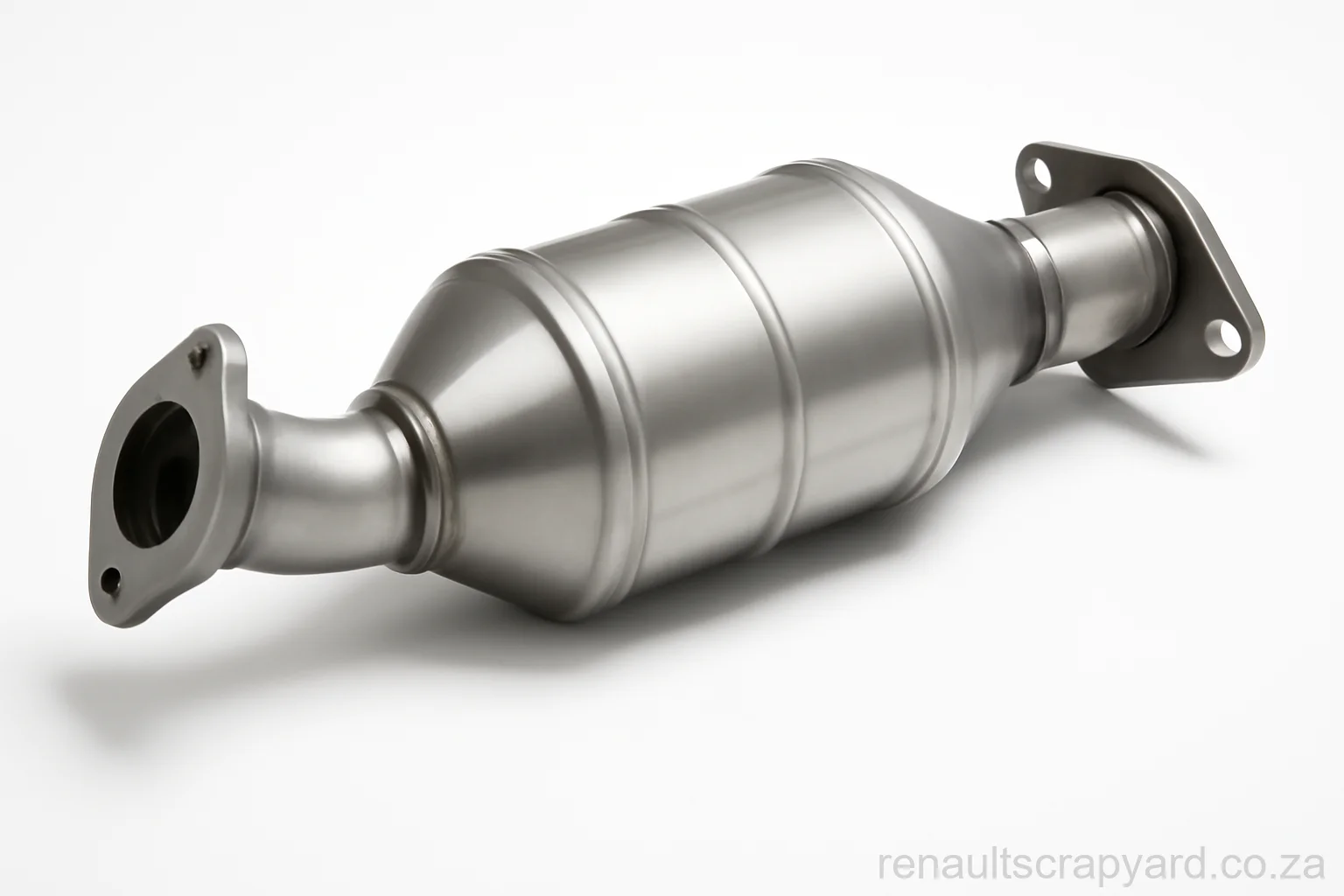
Root causes: A DPF needs sustained high exhaust temperature to burn off trapped soot. On a vehicle that mostly covers short distances at light load, the exhaust never gets hot enough, soot builds up, and the ECU triggers ever-more-frequent forced regens that inject extra fuel.[3] On the wet-belt 2.0 this is doubly damaging because that extra fuel dilutes the oil and shortens belt life. Left unattended, the filter clogs to the point where neither active nor forced regeneration clears it.
SA cost range: A specialist DPF clean (off-car forced regen) is typically R3,500–R8,000. A replacement DPF is far steeper at R18,000–R35,000 depending on engine. The cheapest fix is preventative: take the car for a sustained higher-speed run regularly so it can complete a regen.
DIY Difficulty: Medium (driving habits) / Hard (removal and clean) | Time: 1–4 hours
5. 3.0 V6 Camshaft Sprocket Fracture — SA Safety Recall (July 2025)
The newest and most safety-critical Everest issue is the one covered in the recall callout above: a camshaft sprocket fault on the 3.0 V6 Lion turbodiesel that can stall the engine without warning.
Symptoms owners report: In affected cars the failure can be sudden — the engine stalls with little or no prior warning. There may be a rattle or unusual noise from the front of the engine beforehand as the sprocket begins to fail, but owners should treat the recall as the definitive check rather than waiting for symptoms.
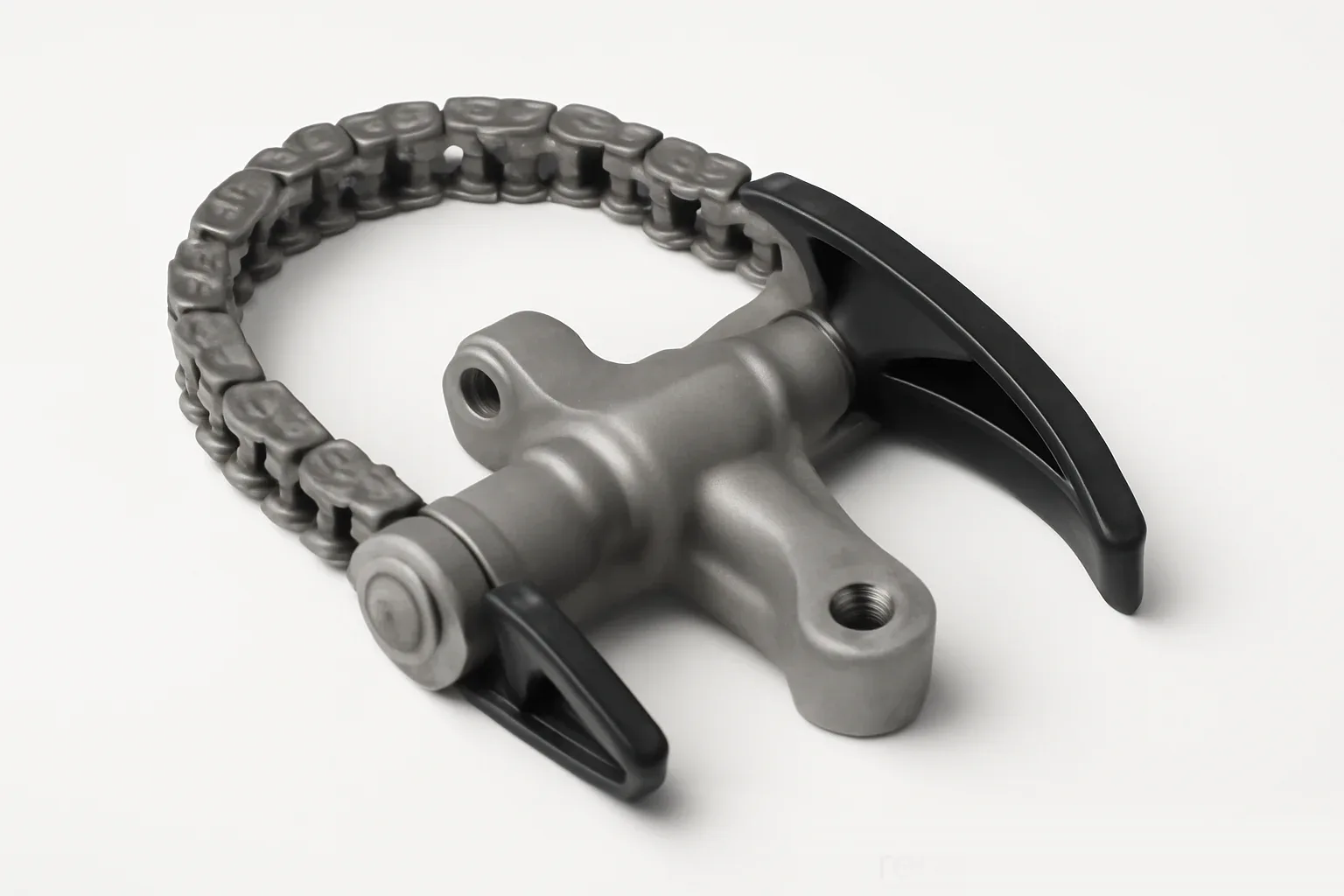
Root causes: Ford SA identified a potential fault with the left-hand-side camshaft sprocket on the 3.0-litre V6 turbodiesel, where the sprocket may fracture and cause the engine to stall.[2] The recall covers 479 Everest units across Southern Africa (461 in South Africa), built between June 2022 and March 2025, and is separate from the 571 Ranger units recalled for the same defect.[8] The 2.0 Bi-Turbo Panther engine is not affected.[1]
SA cost range: R0. Ford inspects and repairs every affected vehicle free of charge. The only cost is the risk of driving an unactioned car — so verify the VIN before purchase.
DIY Difficulty: Not applicable for recall — present the VIN at a Ford dealer for free inspection and repair.
Need Ford Everest Parts? Get a Quote Today.
We stock used and reconditioned parts for the 3.2 TDCi, 2.2 TDCi, 2.0 Bi-Turbo, 3.0 V6 and 2.3 EcoBoost Everest variants — wet belt kits, engine blocks, EGR coolers, 10R80 gearboxes, injectors and more — with nationwide delivery.
Frequently Asked Questions
What are the most common Ford Everest problems in South Africa?
The five most common Ford Everest faults in SA are: (1) wet timing belt failure on the next-gen 2.0 Bi-Turbo diesel, worsened by DPF-regen oil contamination; (2) coolant intrusion via a failed EGR cooler on the 1st-gen 3.2 TDCi, which can crack the block; (3) shudder and harsh shifting from the 10R80 10-speed automatic; (4) DPF clogging and failed regeneration on short-trip diesels; and (5) a left-side camshaft sprocket fracture on the 3.0 V6, subject to a July 2025 SA safety recall.
Is the Ford Everest a reliable SUV in South Africa?
The Everest rates around 3 out of 5 for reliability — a capable, well-built seven-seater whose risk profile depends heavily on which engine you choose and how it is serviced. The 1st-gen 3.2 TDCi is robust if the EGR cooler and cooling system are maintained. The next-gen 2.0 Bi-Turbo carries the wet-belt risk that Ford is engineering out for 2026, and every next-gen automatic uses the 10R80 that can shudder. Diligent diesel servicing and regular longer drives to complete DPF regens are the main levers for keeping any Everest reliable.
Which Ford Everest engine is the most reliable?
For the 1st-gen (2015–2022), the 3.2 TDCi five-cylinder is durable provided the EGR cooler is watched and replaced before it cracks. For the next-gen (2022+), the 3.0 V6 is the strongest performer but must have its July 2025 camshaft-sprocket recall confirmed as actioned; the 2.0 Bi-Turbo is capable but carries the wet-belt service liability until the 2026 timing-chain version arrives. The 2.3 EcoBoost petrol avoids the diesel DPF and wet-belt issues but still drives through the 10R80.
What is the Ford Everest wet belt problem?
The next-generation 2.0 Bi-Turbo Panther diesel uses a wet timing belt — a rubber belt that runs inside the engine in oil. Oil contamination, particularly fuel dilution from frequent DPF regenerations on short-trip cars, degrades the belt and can cause it to fail before its scheduled interval, with valve and engine damage if it snaps. Ford SA confirmed it is dropping the wet belt and fitting a timing chain on the 2.0 diesel from the first half of 2026, which is a clear admission of the design’s durability weakness. Until then, treat the belt as a scheduled replacement item and never stretch oil changes.
What is the Ford Everest recall in South Africa?
Ford SA issued a voluntary safety recall in July 2025 covering 479 Everest units across Southern Africa — 461 of them in South Africa — fitted with the 3.0-litre V6 Lion turbodiesel and built between June 2022 and March 2025. The left-hand camshaft sprocket can fracture and cause the engine to stall without warning. The 2.0 Bi-Turbo is excluded. Owners are contacted to book a free inspection and repair at a Ford dealer; if you are buying a 2022–2025 V6 Everest, confirm the recall has been completed with the VIN before purchase.
How much does a Ford Everest 2.0 Bi-Turbo wet belt replacement cost in South Africa?
SA owners report wet-belt service quotes for the 2.0 Bi-Turbo in the region of R10,000 to R25,000 including parts and labour, with dealer quotes sitting toward the upper end because the job is labour-intensive. That is the price of doing it as preventative maintenance. If the belt snaps and damages valves, you are into a R45,000-plus engine rebuild or used-engine swap, plus a full oil-system flush to remove shed belt debris — which is why the scheduled service is the cheaper path.
Does the Ford Everest 3.2 have engine problems?
The 1st-gen Everest 3.2 TDCi Duratorq is generally durable, but its standout weakness is the EGR cooler, which corrodes internally and lets coolant into the engine. That causes unexplained coolant loss, overheating, and in severe cases a warped head or cracked block. EGR cooler replacement is R8,500 to R15,000; a coolant-intrusion-induced engine rebuild is R35,000 to R65,000. Many owners fit an EGR bypass once they have been caught. The 3.2 also has known oil-pump and turbo weak points, so buy on documented service history.
Is the Ford Everest 10-speed automatic any good?
The 10R80 10-speed automatic in the next-gen Everest is smooth when healthy but has a documented tendency to shudder and shift harshly — vibration around lock-up and jerky, hesitant changes. Most cases are resolved by a dealer software reflash and adaptive relearn, or a fluid-and-filter service. A worn valve body (R12,000–R25,000) or full gearbox replacement (R45,000+) is the worst case. Keeping the transmission fluid fresh is the best way to avoid trouble.
How do I avoid DPF problems on a diesel Ford Everest?
DPF clogging is almost always a driving-pattern problem. The filter needs sustained high exhaust temperature to burn off soot, which short, cold urban trips never deliver. Take the Everest for a regular sustained higher-speed run so it can complete a regeneration, keep up with the correct low-SAPS diesel oil and service intervals, and address any DPF warning light promptly rather than letting the filter block solid. A specialist clean is R3,500–R8,000; a replacement DPF is R18,000–R35,000.
Should I buy a used Ford Everest?
A used Everest can be an excellent buy with the right checks. Decide which engine you want and apply the matching due diligence: for the 1st-gen 3.2, inspect for coolant loss and EGR cooler health; for the next-gen 2.0 Bi-Turbo, confirm the wet-belt service history and budget for the next one; for the 3.0 V6, verify the July 2025 camshaft-sprocket recall is actioned; and for any next-gen automatic, test for 10R80 shudder on a proper drive. A documented full service history is non-negotiable on every diesel Everest.
Conclusion
The Ford Everest is a genuinely capable seven-seat SUV, but its fault profile is split cleanly down the middle by generation. On the 1st-gen (2015–2022), the 3.2 TDCi’s EGR-cooler coolant intrusion is the repair to fear. On the next-gen (2022+), it is the 2.0 Bi-Turbo’s wet timing belt — a design Ford itself is deleting for 2026 — plus the 10R80 shudder and, on V6 models, the July 2025 camshaft-sprocket recall that must be confirmed before you buy. The Everest shares its T6 platform and several of these engine and gearbox parts with the Ford Ranger, so if you also run a Ranger it is worth reading our Ford Ranger electrical problems guide. Get a free quote on any of the components above by calling 010 230 0168, WhatsApp 078 574 3998, or email partsoncall123@gmail.com — we source the right Everest part, from wet-belt kits to 10R80 gearboxes.
Sources and References
- AutoTrader.co.za — Urgent Safety Recall: Ford Ranger and Everest V6 Models Face Camshaft Sprocket Issue: https://www.autotrader.co.za/cars/news-and-advice/automotive-news/urgent-safety-recall-ford-ranger-and-everest-v6-models-face-camshaft-sprocket-issue/15982
- TopGear South Africa — Ford recalls V6-powered Ranger and Everest models (camshaft sprocket, June 2022–March 2025): https://www.topgear.co.za/news/ford-recalls-v6-powered-ranger-and-everest-models
- AutoTrader.co.za — Ford removes bi-turbo diesel from Ranger and Everest line-up (wet belt, DPF-regen oil contamination): https://www.autotrader.co.za/cars/news-and-advice/automotive-news/ford-removes-bi-turbo-diesel-from-ranger-and-everest-line-up/16417
- Chasing Cars — Ford Ranger and Everest wet-belt and bi-turbo dropped, four-cylinder diesel now gets timing chain: https://www.chasingcars.com.au/news/car-technology/ford-ranger-and-everest-shock-wet-belt-and-bi-turbo-dropped-four-cylinder-diesel-now-gets-timing-chain/
- Unsealed 4X4 — Ford Ranger/Everest 3.2L common problems and solutions (EGR cooler, oil pump, turbo): https://unsealed4x4.com.au/ford-ranger-3-2l-common-problems-and-solutions/
- ClassAction.org — Class action filed over Ford 10R80 automatic transmission problems (clunky, harsh shifting): https://www.classaction.org/blog/class-action-filed-over-ford-10r80-automatic-transmission-problems-linked-to-clunky-harsh-shifting
- SlashGear — The most common problems with Ford’s 10-speed (10R80) transmission: https://www.slashgear.com/1915788/common-problems-ford-10-speed-transmission/
- IOL Sunday Tribune — Ford issues recall for over 5,700 vehicles in Southern Africa due to safety concerns (Everest: 479 units, 461 in South Africa): https://iol.co.za/sunday-tribune/news/2025-07-24-ford-issues-recall-for-over-5700-vehicles-in-southern-africa-due-to-safety-concerns/
Affected Ford Models
Need Ford Parts?
Get quality used Ford parts delivered anywhere in South Africa
Share this article
Related Articles

Ford Bantam Common Problems: 8 Faults Every SA Owner Should Know
The 8 most common Ford Bantam problems in South Africa — Rocam engine faults, immobilizer lockout, timing chain rattle, and more with real ZAR repair costs.

Ford EcoSport Common Problems: Oil-Pump Belt, PowerShift 6DCT250 & the SA Half-Shaft Recall (Owner's Guide)
Complete SA owner's guide to Ford EcoSport problems — 1.0 EcoBoost oil-pump belt, 1.0 EcoBoost wet timing belt, PowerShift 6DCT250 dry-clutch judder, the 2025 Ford SA 25S12 front-half-shaft recall (2,806 SA units), DPF clog on the 1.5 TDCi, SYNC recall and shock-absorber wear. Indicative repair costs in ZAR.

Ford Fiesta Brake Problems: Common Issues & Solutions Guide
Complete guide to Ford Fiesta brake problems including squeaking, spongy pedal, and brake fade. Professional repair costs and DIY solutions.