


Ford Fiesta Problems Analysis - South Africa: Complete Guide

Quick Info
Estimated Repair Cost
Estimated Repair Time
Key Takeaways
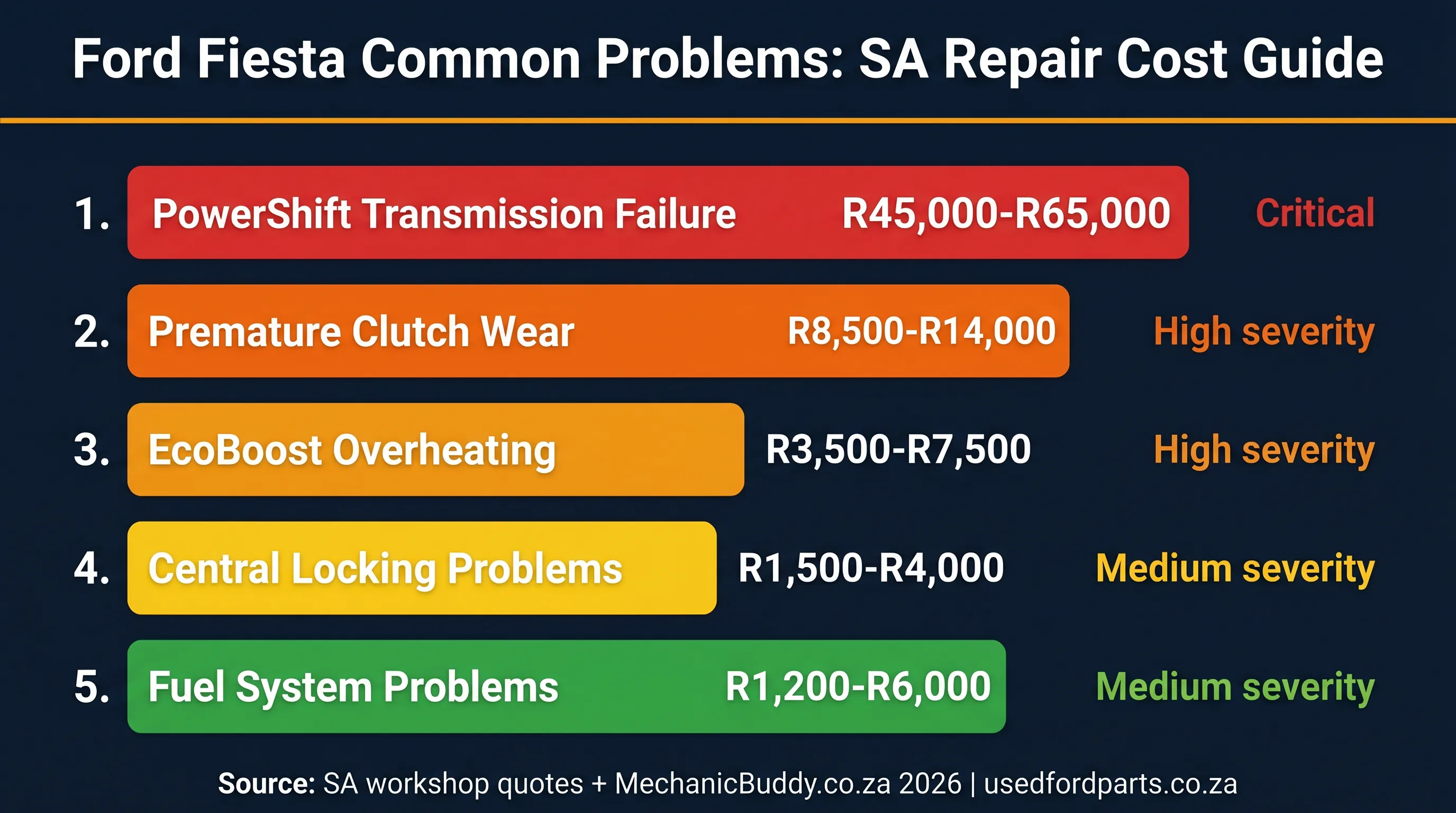
| Problem | Severity | Typical SA Cost (ZAR) |
|---|---|---|
| PowerShift Transmission Failure | Critical | R7,500 – R65,000 |
| EcoBoost Engine Overheating | High | R1,200 – R7,500 |
| Central Locking Problems | Medium | R800 – R4,000 |
| Premature Clutch Wear | High | R8,500 – R14,000 |
| Fuel System Problems | Medium | R1,200 – R18,000 |
The Ford Fiesta has been a popular choice among South African motorists since its local assembly began, offering European engineering with competitive pricing. However, certain model years and variants have developed known reliability issues that potential buyers and current owners should understand.
Ford Fiesta Specifications
| Specification | Details |
|---|---|
| Engine Options | 1.0L EcoBoost (74-92kW), 1.5L TDCi (55-70kW), 1.4L Petrol (71kW) |
| Dimensions (L×W×H) | 4,068 × 1,735 × 1,469 mm |
| Wheelbase | 2,489 mm |
| Ground Clearance | 153-168 mm |
| Fuel Consumption | 4.3-7.5 L/100km (depending on engine) |
| Transmission | 5/6-speed manual, PowerShift dual-clutch auto |
| Seating | 5 passengers |
| Boot Space | ~290-311 litres |
Top 5 Most Common Problems
1. PowerShift Transmission Failure
The Ford Fiesta’s DPS6 PowerShift dual-clutch automatic is the single most discussed reliability fault among SA owners and has been the subject of class-action litigation in multiple countries. Affected model years are primarily 2011–2016.
Symptoms
- Rough or jerky gear changes, especially at low speeds
- Transmission slipping between gears during acceleration
- Complete failure to select gears
- No gear display on dashboard
- Car fails to start in some cases
- Grinding or whining noises from the gearbox
Causes
- Internal actuator component failure
- Worn clutch packs inside the dual-clutch housing
- Hydraulic system malfunctions
- Software calibration issues
- Poor maintenance or transmission fluid contamination

Solution
- Replace transmission actuator: R7,500–R12,000
- Software recalibration: R2,500–R4,000
- Complete transmission replacement: R45,000–R65,000
- Regular transmission fluid changes every 60,000 km
DIY Difficulty: Very High | Time: 8-12 hours
Critical Warning
PowerShift transmission problems are the most expensive Ford Fiesta issue. Many owners report multiple transmission replacements within 100,000 km. Consider extended warranty coverage and strongly favour manual transmission models if buying used.
2. EcoBoost Engine Overheating
A design fault in the coolant hose routing on early 1.0 EcoBoost Fiesta models (mainly 2012–2016) caused widespread overheating events across multiple markets.
Symptoms
- Engine temperature warning light activating
- Coolant leaks beneath the vehicle
- Steam from the engine bay
- Loss of engine power under load
- Engine misfiring when hot
Causes
- Failed nylon coolant pipes that degrade and split under sustained heat
- Blocked radiator or restricted cooling system
- Faulty water pump
- Thermostat malfunction
- Insufficient coolant levels from ignored service intervals

Solution
- Replace coolant pipes with upgraded metal versions: R3,500–R5,500
- Radiator replacement: R4,500–R7,500
- Water pump replacement: R3,000–R5,000
- Complete cooling system flush: R1,200–R2,000
DIY Difficulty: High | Time: 4-6 hours
Money-Saving Tip
Before authorising any paid cooling repair, have a Ford dealer check the VIN for open recalls.
3. Central Locking System Problems
Central locking faults are the third most commonly reported Fiesta issue on SA owner forums, ranging from intermittent key fob non-response to full actuator failure that leaves a door permanently locked or unlocked.
Symptoms
- Car alarm activating randomly without apparent trigger
- Key fob not working consistently
- Doors won’t lock or unlock on command
- Intermittent locking operation that worsens over time
- Manual key required for entry
Causes
- Faulty door lock actuators — the internal motor wears out
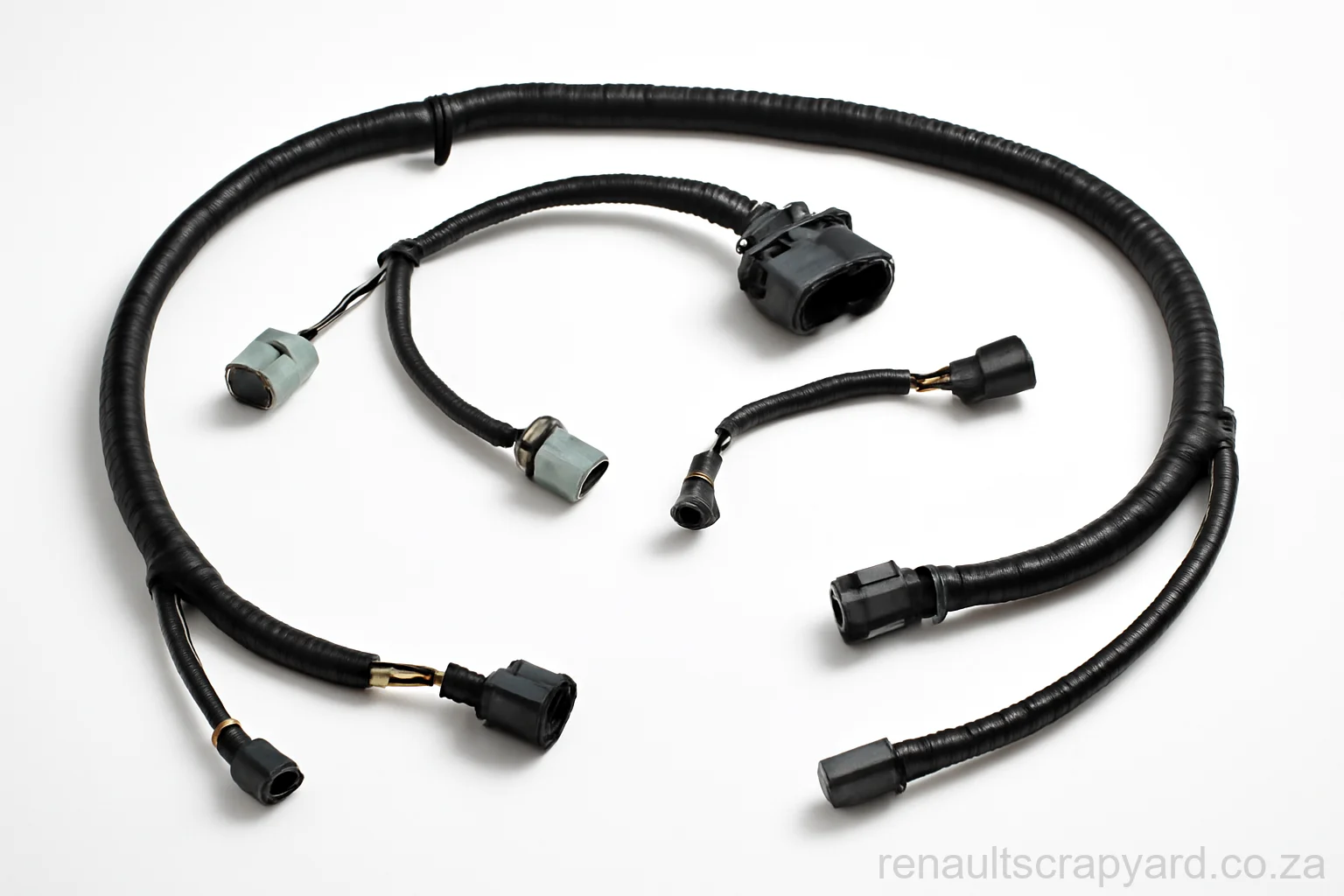
- Damaged wiring harness, particularly at the door-to-body rubber grommet where flex fatigue breaks wires
- Central locking module failure
- Worn key fob batteries or degraded circuit board
- Door handle mechanism wear causing false trigger signals
Solution
- Replace door lock actuators: R1,500–R2,500 per door
- Repair wiring harness: R2,000–R3,500
- Replace central locking module: R2,500–R4,000
- Key fob reprogramming: R800–R1,500
DIY Difficulty: Medium | Time: 2-3 hours
Diagnosis Tip
Central locking problems nearly always start intermittently before becoming permanent. A door that only fails in cold weather or after rain strongly points to a wiring harness crack rather than an actuator — confirm with a continuity test before replacing parts.
4. Premature Clutch Wear
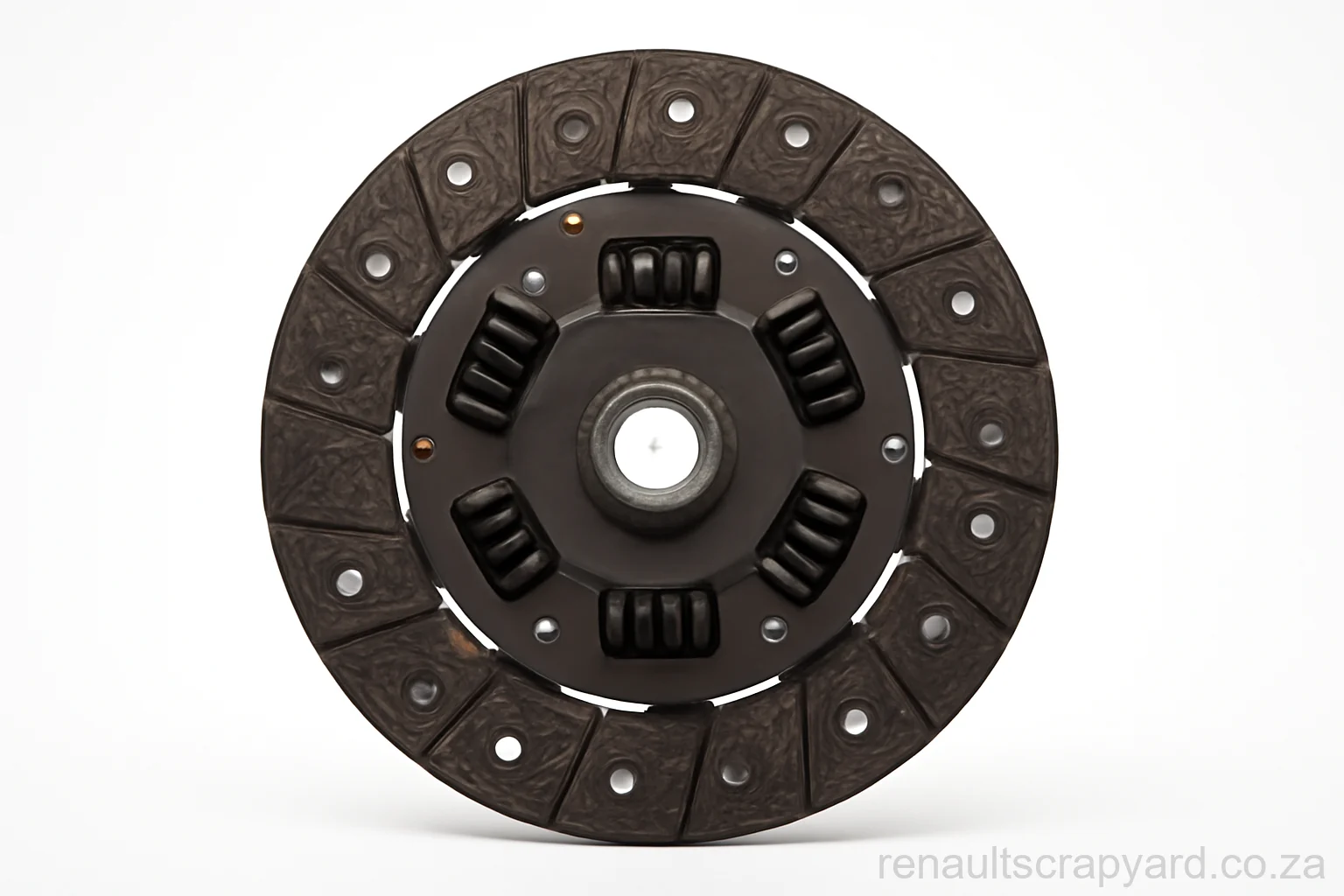
Clutch problems on the Fiesta span both manual and PowerShift variants — manual gearbox cars wear clutch discs faster than expected when driven in urban stop-start traffic, while PowerShift models suffer internal wet-clutch pack degradation as a separate fault.
Symptoms
- Clutch slipping during acceleration
- Juddering or shuddering when changing gears
- Difficulty engaging gears, especially first and reverse
- Clutch pedal feeling spongy or inconsistent
- Burning smell during driving, especially on hills
Causes
- Poor driving habits — riding the clutch in stop-start traffic
- Manufacturing defects in clutch disc on some 2012–2015 batches
- Clutch disc contaminated by oil leak from crankshaft or gearbox seal
- Pressure plate spring fatigue on high-mileage examples
- Release bearing wear causing incomplete clutch disengagement
Solution
- Complete clutch replacement: R8,500–R14,000
- Clutch adjustment and hydraulic bleeding: R1,500–R2,500
- Flywheel resurfacing if required: R2,500–R4,000
- Release bearing (included in full clutch kit)
DIY Difficulty: Very High | Time: 6-8 hours
Important Note
Clutch problems in the Ford Fiesta often require complete replacement rather than repair. Early detection prevents flywheel damage and reduces overall cost. See the dedicated brake system breakdown for stopping-power faults that can develop alongside clutch wear. When sourcing replacement friction components, our Fiesta brake parts stock covers pads, discs, and calipers for all variants.
5. Fuel System Problems
Fuel system faults on the Fiesta range from straightforward injector fouling caused by low-grade South African fuel, through to the more costly wet timing belt degradation unique to the 1.0 EcoBoost’s unusual belt-in-oil (BIO) design.
Symptoms
- Engine misfiring or rough idling
- Increased fuel consumption above published figures
- Loss of power during acceleration
- Check engine warning light (often P0300 series misfire codes)
- Engine stalling at idle, particularly when warm
Causes
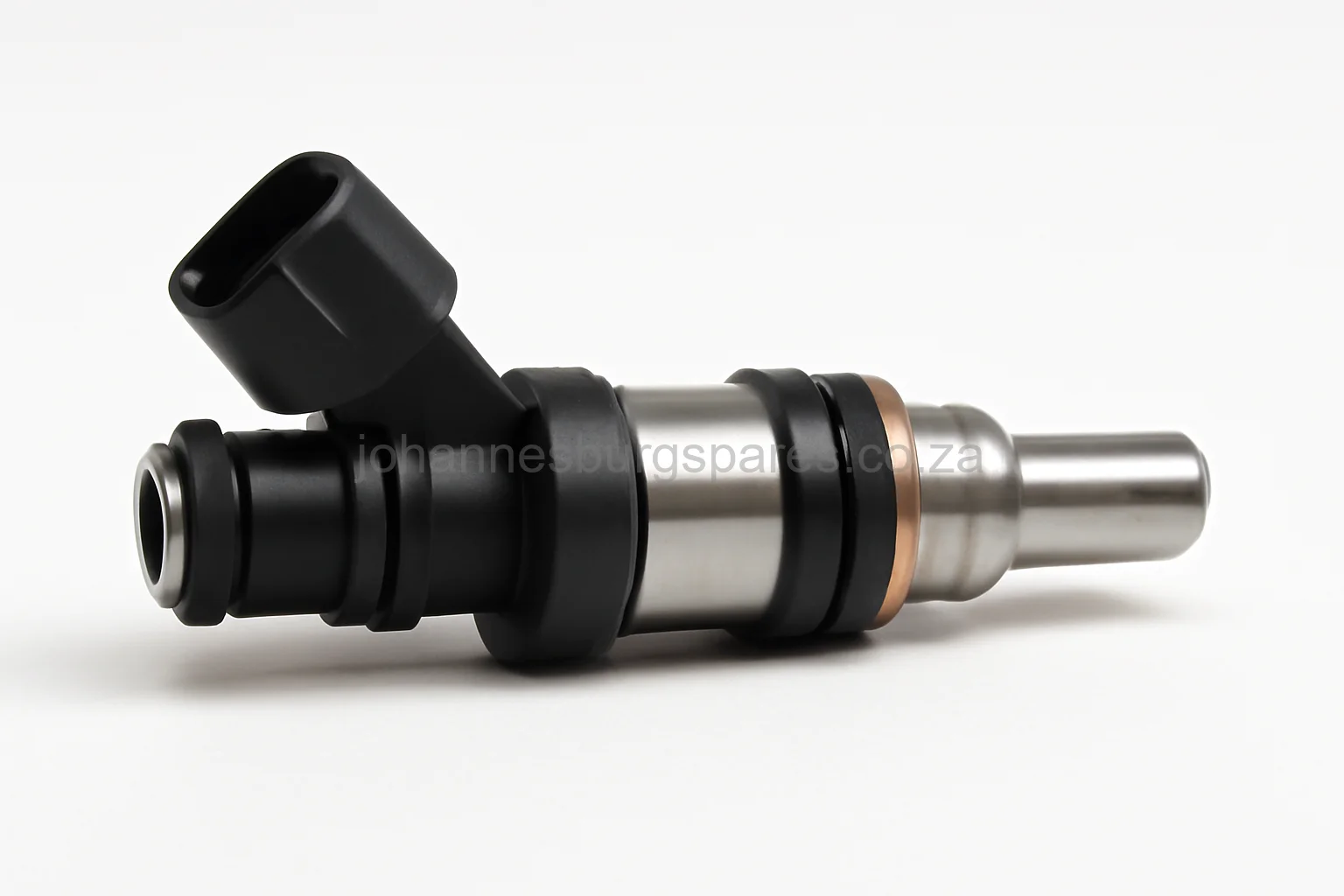
- Clogged fuel injectors from poor quality or contaminated fuel
- Wet timing belt degradation — the EcoBoost’s belt runs submerged in engine oil, and contaminated or aged oil accelerates rubber degradation
- Carbon build-up in the intake system from direct injection
- Fuel pump failure on higher-mileage examples
- Contaminated fuel tank from degraded fuel cap sealing
Solution
- Fuel injector cleaning service: R2,500–R4,000
- Fuel injector replacement (full set): R3,500–R6,000
- Wet belt (BIO timing belt) replacement: R12,000–R18,000
- Fuel system cleaning treatment: R1,200–R2,000
- Carbon cleaning / intake valve walnut blasting: R3,500–R5,500
DIY Difficulty: High | Time: 3-5 hours
Prevention Strategy
Use quality fuel from reputable stations and change your EcoBoost’s engine oil at no more than 10,000 km intervals — the wet timing belt’s longevity is directly tied to oil quality. Using quality fuel and adding a fuel system cleaner every 10,000 km prevents injector fouling. Budget-conscious buyers preferring simpler mechanicals may want to consider the entry-level Ford Figo as an alternative with a conventional belt-and-chain drivetrain.
Parts Cards — Most Frequently Replaced Fiesta Components
PowerShift Transmission Parts
From clutch pack kits to complete DPS6 assemblies — we source used and remanufactured PowerShift units for the 2011–2016 Fiesta.
EcoBoost Cooling System Kit
Upgraded metal coolant pipes, water pump, and thermostat for the 1.0 EcoBoost — the complete overheating prevention kit. Fitting the full set at once saves R2,000–R4,000 versus piecemeal replacement later.
Fiesta Clutch Kit
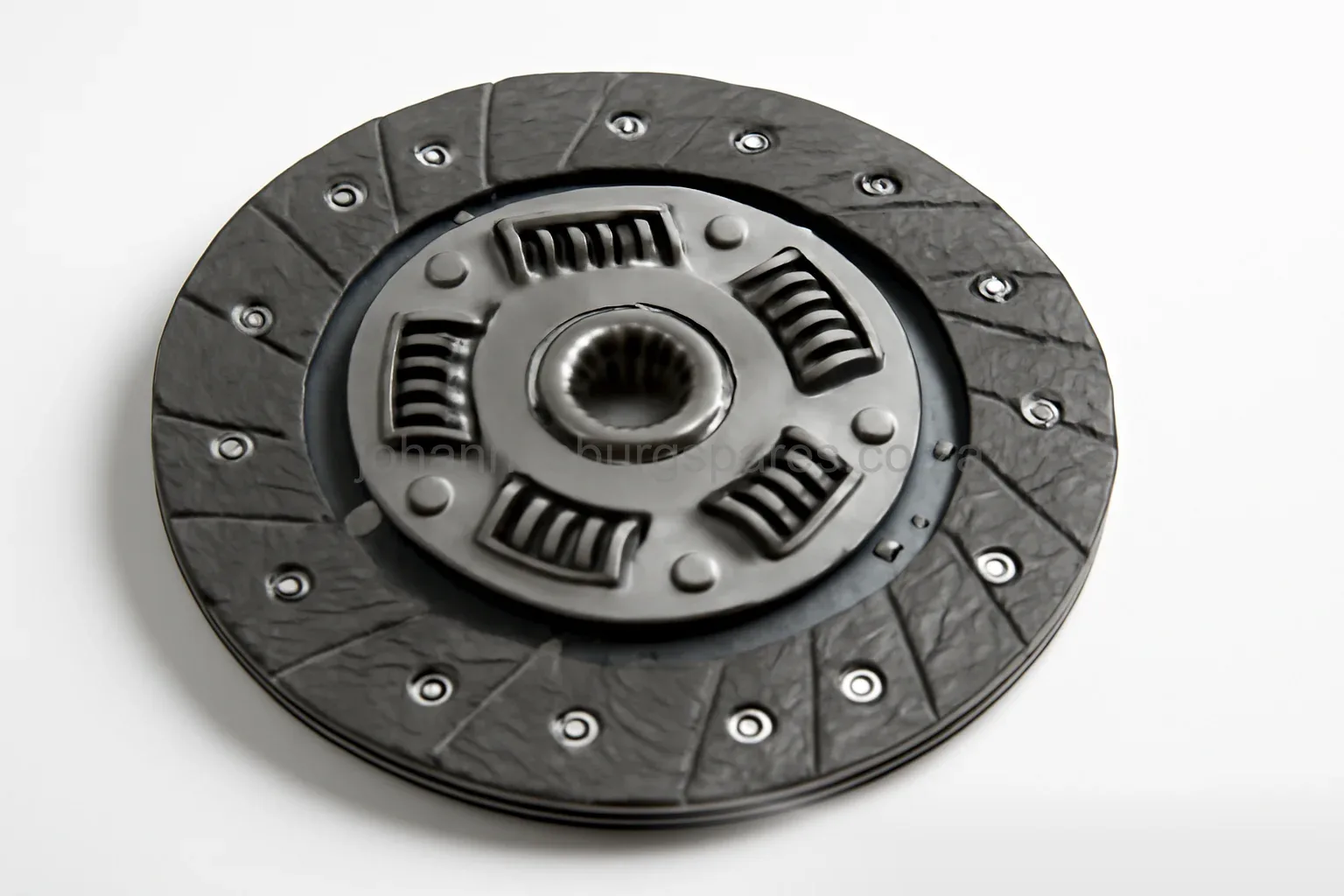
Complete clutch kits for Fiesta manual transmission models — disc, pressure plate, and release bearing as a matched set. Fits 1.0 EcoBoost, 1.4 petrol, and 1.5 TDCi variants from 2008 onward.
EcoBoost Fuel Injectors
OEM-spec fuel injectors for the 1.0 EcoBoost — direct replacements that restore idle quality and fuel economy on carbon-fouled engines. Available as a set of three.
Preventative Maintenance Tips
Regular Service Schedule
| Service Type | Interval | Components |
|---|---|---|
| Minor Service | 10,000 km | Oil change, basic checks (R1,500-R2,400) |
| Intermediate Service | 20,000 km | Filters, fluids, belts (R2,500-R3,500) |
| Major Service | 40,000 km | Comprehensive inspection (R3,500-R4,000) |
| Transmission Service | 60,000 km | PowerShift fluid change (R1,800-R2,800) |
Critical Maintenance Items
- PowerShift Transmission: Regular fluid changes and software updates every 60,000 km
- EcoBoost Cooling: Monitor coolant levels and check for leaks monthly
- Clutch Care: Avoid riding the clutch and use proper gear changes in stop-start traffic
- Fuel Quality: Use reputable fuel stations and add injector cleaner regularly
Cost Breakdown for South African Market
Parts Costs (ZAR)
- PowerShift Transmission: R45,000 – R65,000
- Complete Clutch Kit: R8,500 – R14,000
- EcoBoost Coolant Pipes (metal upgrade): R3,500 – R5,500
- Door Lock Actuator: R1,500 – R2,500
- Fuel Injectors (set of 3): R3,500 – R6,000
Labour Costs
- Major Transmission Work: R8,000 – R12,000
- Clutch Replacement: R3,500 – R5,000
- Cooling System Repair: R2,500 – R4,000
- Central Locking Repair: R1,200 – R2,500
FAQ
Are Ford Fiestas reliable in South African conditions?
Ford Fiestas score 94.9% in reliability surveys but rank 12th out of 19 small cars. They perform well in SA conditions but require regular maintenance. Avoid PowerShift automatic models for better long-term reliability. Manual transmission variants are significantly more dependable over the long term.
What’s the average annual maintenance cost for a Ford Fiesta in SA?
Expect R8,500–R15,000 annually including services (R1,500–R4,000), potential repairs, and wear items. PowerShift models can cost significantly more due to transmission issues — budget an additional R5,000–R10,000 per year for transmission-related expenses on dual-clutch variants.
How often should I service my Ford Fiesta?
Follow Ford’s schedule: Minor service every 10,000 km (R1,500–R2,400), Intermediate every 20,000 km (R2,500–R3,500), Major every 40,000 km (R3,500–R4,000). Use quality oils and filters. For the PowerShift, add a transmission fluid change every 60,000 km even if Ford recommends “lifetime” fluid — SA heat accelerates fluid breakdown.
Which Ford Fiesta engines are most reliable?
The 1.4L naturally aspirated petrol and 1.5L TDCi diesel are most reliable. Early 1.0L EcoBoost models had cooling issues (mainly 2012–2016) but later versions with upgraded metal coolant pipes are substantially improved. Avoid PowerShift transmissions on all variants for maximum reliability.
Should I buy a used Ford Fiesta with high mileage?
Fiestas can run well beyond 150,000 km with proper maintenance. Check service history, avoid PowerShift models, and budget for clutch replacement around 80,000–120,000 km on manual variants. Have a Ford dealer check the VIN for open recalls before buying a 2012–2016 1.0 EcoBoost model.
What should I check when buying a used Ford Fiesta?
Test transmission operation thoroughly on a long test drive including stop-start city sections, check for coolant leaks and steam under the bonnet, verify central locking works on all four doors, inspect clutch operation for slipping or juddering, and ensure all recalls have been completed. A pre-purchase inspection by an independent mechanic is strongly recommended.
What is the common fault in the Ford Fiesta?
A design fault in the coolant hose can lead to overheating and, in severe cases, complete engine failure — this affects mainly Fiesta 1.0 EcoBoost petrols from 2012–2016. The other major documented fault is the DPS6 PowerShift dual-clutch automatic transmission, which suffers clutch shudder, gear slipping, and complete actuator failure on 2011–2016 models. Between these two issues, the cooling fault is cheaper to fix (R3,500–R7,500) while the transmission can exceed R65,000 for a complete replacement.
What are the common faults with Ford PowerShift?
The PowerShift’s four primary faults are: clutch shudder (that characteristic juddering or shaking when pulling away or shifting at low speed), hydraulic and sensor faults causing the gearbox to hang in gear, gear slipping or hesitation under load, and complete gearbox failure requiring a full unit replacement. The clutch packs inside the dual-clutch housing wear prematurely — especially in SA stop-start urban traffic — and the clutch control module software frequently needs updating to compensate for wear.
What years did the Ford Fiesta have transmission problems?
Vehicles equipped with the DPS6 PowerShift dual-clutch automatic are primarily the 2011–2016 Ford Fiesta (and 2012–2016 Ford Focus). Ford Australia settled a class action in 2021, and similar complaints were lodged globally. South African owners of these years should budget for transmission remediation or consider manual-only models. Post-2017 Fiestas with the revised PowerShift unit show improved but not eliminated reliability.
Can a PowerShift transmission be fixed, or does it always need replacement?
Yes, a PowerShift gearbox can be repaired in many cases. Common repairs include clutch pack replacement, seal replacement, solenoid repair, and electronic module recalibration — a clutch pack job runs R7,500–R15,000 at a specialist. Complete replacement at R45,000–R65,000 is only required when the internal actuator housing or gearbox casing is damaged. A software TCM reset (R2,500–R4,000) resolves a significant proportion of shudder and hesitation complaints without opening the gearbox.
Are Ford Fiestas cheap to fix in South Africa?
Compared with the Volkswagen Polo or Toyota Yaris, Fiesta repair costs for routine items (clutch, cooling, brakes) are competitive. A standard clutch kit runs R8,500–R14,000 all-in, and cooling system work is R3,500–R7,500 — broadly in line with rivals. The major exception is the PowerShift transmission: a complete DPS6 replacement at R45,000–R65,000 is disproportionately expensive relative to the Fiesta’s used market value. Choose a manual gearbox model and the Fiesta sits at the budget-friendly end of the small-car repair spectrum.
How long do Ford Fiesta engines last in South Africa?
A well-maintained Fiesta 1.4 naturally aspirated petrol or 1.5 TDCi diesel can realistically reach 250,000–300,000 km before requiring major engine work. The 1.0 EcoBoost is more sensitive — engines that have been overheated (from the known coolant pipe fault) or run with degraded wet timing belt oil can develop internal damage by 150,000 km. Key longevity factors: oil changes every 10,000 km with the correct 5W-20 or 0W-20 spec, a Ford dealer VIN check for open recalls on EcoBoost models, and using the recommended transmission fluid on PowerShift variants.
Conclusion
The Ford Fiesta remains a popular choice in South Africa due to its driving dynamics and local assembly history, but potential buyers must understand the key reliability risks. The PowerShift transmission is the most significant concern — repair costs can exceed the vehicle’s used market value on older models, and manual transmission Fiestas are substantially more cost-effective to run long-term. The EcoBoost overheating fault is serious; have a Ford dealer check the VIN for open recalls before any 2012–2016 EcoBoost purchase. Regular maintenance, quality fuel, and consistent oil changes keep the Fiesta’s other systems in good health for 250,000 km or more.
For parts enquiries on any of the components above, call 010 230 0168, WhatsApp 078 574 3998, or email partsoncall123@gmail.com.
Sources and References
- Ford DPS6 PowerShift class action (Australia) — Consumer Action Law Centre: https://consumeraction.org.au/ford-powershift-class-action/
- 1A Auto — Top 5 Problems Ford Fiesta Hatchback 2011-2019 (YouTube, 387K views): https://www.youtube.com/watch?v=e3U6c4lA_vI
- PowerShift affected model years (2011–2016 Fiesta, 2012–2016 Focus) — CarComplaints.com: https://www.carcomplaints.com/Ford/Fiesta/
Affected Ford Models
Need Ford Parts?
Get quality used Ford parts delivered anywhere in South Africa
Share this article
Related Articles

Ford Bantam Common Problems: 8 Faults Every SA Owner Should Know
The 8 most common Ford Bantam problems in South Africa — Rocam engine faults, immobilizer lockout, timing chain rattle, and more with real ZAR repair costs.

Ford EcoSport Common Problems: Oil-Pump Belt, PowerShift 6DCT250 & the SA Half-Shaft Recall (Owner's Guide)
Complete SA owner's guide to Ford EcoSport problems — 1.0 EcoBoost oil-pump belt, 1.0 EcoBoost wet timing belt, PowerShift 6DCT250 dry-clutch judder, the 2025 Ford SA 25S12 front-half-shaft recall (2,806 SA units), DPF clog on the 1.5 TDCi, SYNC recall and shock-absorber wear. Indicative repair costs in ZAR.

Ford Everest Problems: 5 Faults Every SA Owner Must Know (Owner's Guide)
The 5 most common Ford Everest problems in South Africa — 2.0 Bi-Turbo wet timing belt, 3.2 TDCi coolant intrusion and cracked block, 10R80 10-speed shudder, DPF clogging and the July 2025 V6 camshaft sprocket recall, with real ZAR repair costs.