


Ford Ranger Engine Problems: The 2.2 and 3.2 TDCi Faults SA Owners Hit Most

Key Takeaways
| Problem | Engines affected | Severity | What catching it early saves you |
|---|---|---|---|
| Oil pump failure and the 10-minute oil change trap | 2.2 and 3.2 TDCi | Critical | Prevention is the only defence — there is no early stage |
| EGR cooler coolant intrusion | 2.2 and 3.2 TDCi | Critical | A cooler replacement instead of a cracked block |
| Turbo actuator failure and P2598 limp mode | 2.2 and 3.2 TDCi | High | Often an actuator service, not a new turbo |
| Split intercooler hose | 2.2 and 3.2 TDCi | Medium | A rubber hose — one of the cheapest fixes on the truck |
| Crank position sensor failure | Early T6 models | Medium | A single sensor rather than a diagnostic marathon |
| Common-rail injector wear | 2.2 and 3.2 TDCi | High | Injector work instead of piston and head damage |
The Ford Ranger is one of South Africa’s highest-volume bakkies. It was second only to the Toyota Hilux in 2025, with 25 465 units sold that year.[5] The T6 generation that arrived in 2011 put two Duratorq turbodiesels into the bulk of them: the four-cylinder 2.2 TDCi (engine code P4AT) and the five-cylinder 3.2 TDCi (P5AT). Both are tough engines capable of very high mileage.
What catches owners out is that the most expensive failures are rarely the engine wearing out. They are a handful of specific components. Several give almost no warning, and one can be triggered by nothing more than a slow oil change. This guide covers the six faults behind most Ranger engine trouble in SA: what each one feels like from the driver’s seat, and how to tell them apart before anyone quotes you for a new engine. For a full view of available components, browse the Ford Ranger parts catalogue.
Ford Ranger 2.2 and 3.2 TDCi engine faults
Ranked by how much damage they cause if you keep driving on them
<div style="display:flex; align-items:center; gap:0.75rem; margin-bottom:0.7rem;">
  <span style="flex:0 0 9.5rem; color:#e2e8f0; font-size:0.8125rem; line-height:1.25;">Oil pump failure</span>
  <span style="flex:1 1 auto; height:1.4rem; background:#dc2626; border-radius:0.25rem; min-width:2rem; width:100%;"></span>
  <span style="flex:0 0 7.5rem; color:#fca5a5; font-size:0.75rem; text-align:right;">Engine rebuild</span>
</div>
<div style="display:flex; align-items:center; gap:0.75rem; margin-bottom:0.7rem;">
  <span style="flex:0 0 9.5rem; color:#e2e8f0; font-size:0.8125rem; line-height:1.25;">EGR cooler intrusion</span>
  <span style="flex:1 1 auto; height:1.4rem; background:#dc2626; border-radius:0.25rem; min-width:2rem; width:92%;"></span>
  <span style="flex:0 0 7.5rem; color:#fca5a5; font-size:0.75rem; text-align:right;">Cracked block</span>
</div>
<div style="display:flex; align-items:center; gap:0.75rem; margin-bottom:0.7rem;">
  <span style="flex:0 0 9.5rem; color:#e2e8f0; font-size:0.8125rem; line-height:1.25;">Injector wear</span>
  <span style="flex:1 1 auto; height:1.4rem; background:#ea580c; border-radius:0.25rem; min-width:2rem; width:74%;"></span>
  <span style="flex:0 0 7.5rem; color:#fdba74; font-size:0.75rem; text-align:right;">Piston / head damage</span>
</div>
<div style="display:flex; align-items:center; gap:0.75rem; margin-bottom:0.7rem;">
  <span style="flex:0 0 9.5rem; color:#e2e8f0; font-size:0.8125rem; line-height:1.25;">Turbo actuator</span>
  <span style="flex:1 1 auto; height:1.4rem; background:#f59e0b; border-radius:0.25rem; min-width:2rem; width:56%;"></span>
  <span style="flex:0 0 7.5rem; color:#fcd34d; font-size:0.75rem; text-align:right;">DPF soot loading</span>
</div>
<div style="display:flex; align-items:center; gap:0.75rem; margin-bottom:0.7rem;">
  <span style="flex:0 0 9.5rem; color:#e2e8f0; font-size:0.8125rem; line-height:1.25;">Crank sensor</span>
  <span style="flex:1 1 auto; height:1.4rem; background:#65a30d; border-radius:0.25rem; min-width:2rem; width:34%;"></span>
  <span style="flex:0 0 7.5rem; color:#bef264; font-size:0.75rem; text-align:right;">Stranded, not damaged</span>
</div>
<div style="display:flex; align-items:center; gap:0.75rem; margin-bottom:0;">
  <span style="flex:0 0 9.5rem; color:#e2e8f0; font-size:0.8125rem; line-height:1.25;">Intercooler hose</span>
  <span style="flex:1 1 auto; height:1.4rem; background:#65a30d; border-radius:0.25rem; min-width:2rem; width:22%;"></span>
  <span style="flex:0 0 7.5rem; color:#bef264; font-size:0.75rem; text-align:right;">Limp mode only</span>
</div>
Which Ranger Engine Do You Have
| Engine | Code | Output | Notes |
|---|---|---|---|
| 2.2 TDCi low output | P4AT | 88 kW / 285 Nm | 5-speed manual at launch |
| 2.2 TDCi high output | P4AT | 118 kW / 385 Nm | 6-speed manual; 6-speed auto added 2016 |
| 3.2 TDCi five-cylinder | P5AT | 147 kW / 470 Nm | 6-speed manual or 6-speed auto |
| 2.0 SiT single-turbo | — | 132 kW / 420 Nm | From the 2019 refresh, with the 10-speed auto |
| 2.0 BiT twin-turbo | — | 157 kW / 500 Nm | From the 2019 refresh, with the 10-speed auto |
Those outputs and the years they arrived come from the Cars.co.za Ranger buyer’s guide covering the 2015–2022 range.[1] The 2.2 and 3.2 share a great deal, including most of the faults below.
The 2.0-litre engines from the 2019 refresh are a different design with their own early reputation. The same guide notes that “We have heard of 2.0 SiT engines smoking excessively and using oil (as well as a few failures of earlier examples of the 10-speed automatic transmission).”[1] This article focuses on the 2.2 and 3.2, because those are the engines filling SA’s used market today.
1. Oil Pump Failure and the 10-Minute Oil Change Trap
This is the one most Ranger owners have never heard of, and it is the one most likely to cost you an engine.
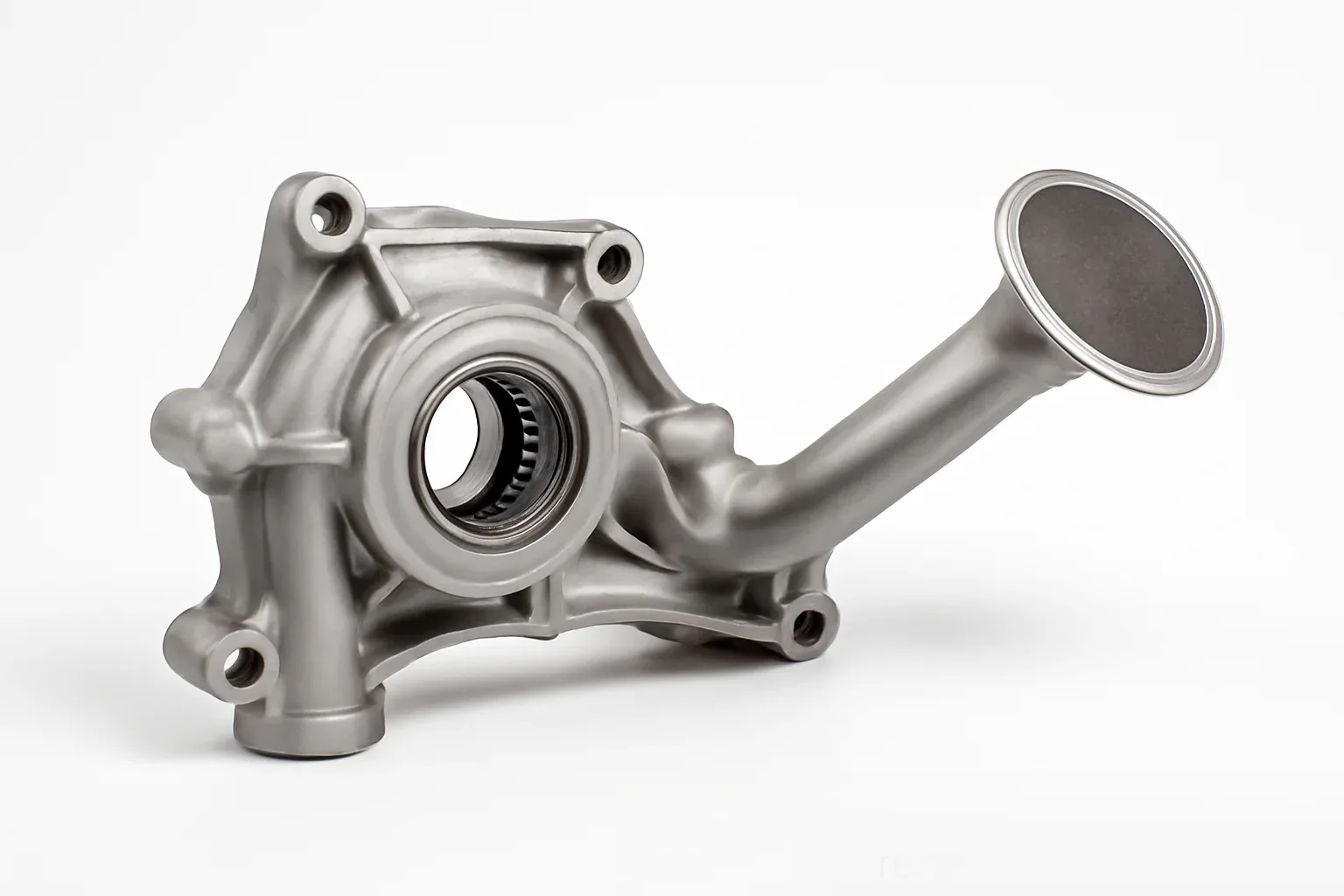
The 2.2 and 3.2 Duratorq do not use a conventional gear-driven oil pump. The Cars.co.za buyer’s guide describes it as a variable-displacement, vane-style pump that is chain driven rather than self-priming.[1] It saves a little fuel. It also introduces two problems.
The first is straightforward premature failure. The Cars.co.za buyer’s guide records that these “pumps have been known to fail prematurely.”[1]
The second is a service-procedure trap, and it is why this section leads the article. The vane pump will not reliably re-prime itself if it is left to drain. The same guide puts a 10-minute limit on the oil drain: exceed it and the pump will likely have bled dry, so oil pressure is virtually non-existent when the engine is next started.[1]
In other words: drain the sump, get distracted, come back an hour later, refill and start up, and the pump may not pick up oil at all. From there the window is very short.
Symptoms
- The oil pressure warning light on start-up after a service — treat this as an immediate stop, not a sensor glitch
- A sudden top-end rattle or knock shortly after an oil change
- On a failure in service, a rapidly rising oil temperature and a warning light with no prior symptoms at all
- Very often, no warning whatsoever before the damage is done
Solution
- Insist on a brisk oil change. Make sure whoever services the truck knows about the drain-time limit and refills promptly. This is the single most effective thing you can do.
- Stop instantly on an oil light. Not “drive it home carefully” — shut the engine off and have the truck moved. Every second it runs without oil pressure adds to the damage.
- Consider the gear-pump conversion. Specialist rebuilders sell a direct-replacement gear-type pump for these engines, which removes both the priming trap and the premature-failure risk. Unsealed 4X4 recommends exactly that: “If you’re planning to keep your Ranger for any length of time, rip out the factory engine oil pump and replace it with an old-fashioned gear-driven oil pump.”[2]
- If it has already let go, assume contamination throughout the oil galleries — bearings, turbo and head all need inspection, not just a new pump.
DIY Difficulty: Not DIY | Time: Engine-out workshop job if the pump has failed
This is the rule to take away from this article
If nothing else here sticks, remember that a Ranger 2.2 or 3.2 should not be left standing with its sump drained. It is an unusual failure mode, it is not common knowledge at every workshop, and it is entirely preventable.
2. EGR Cooler Coolant Intrusion
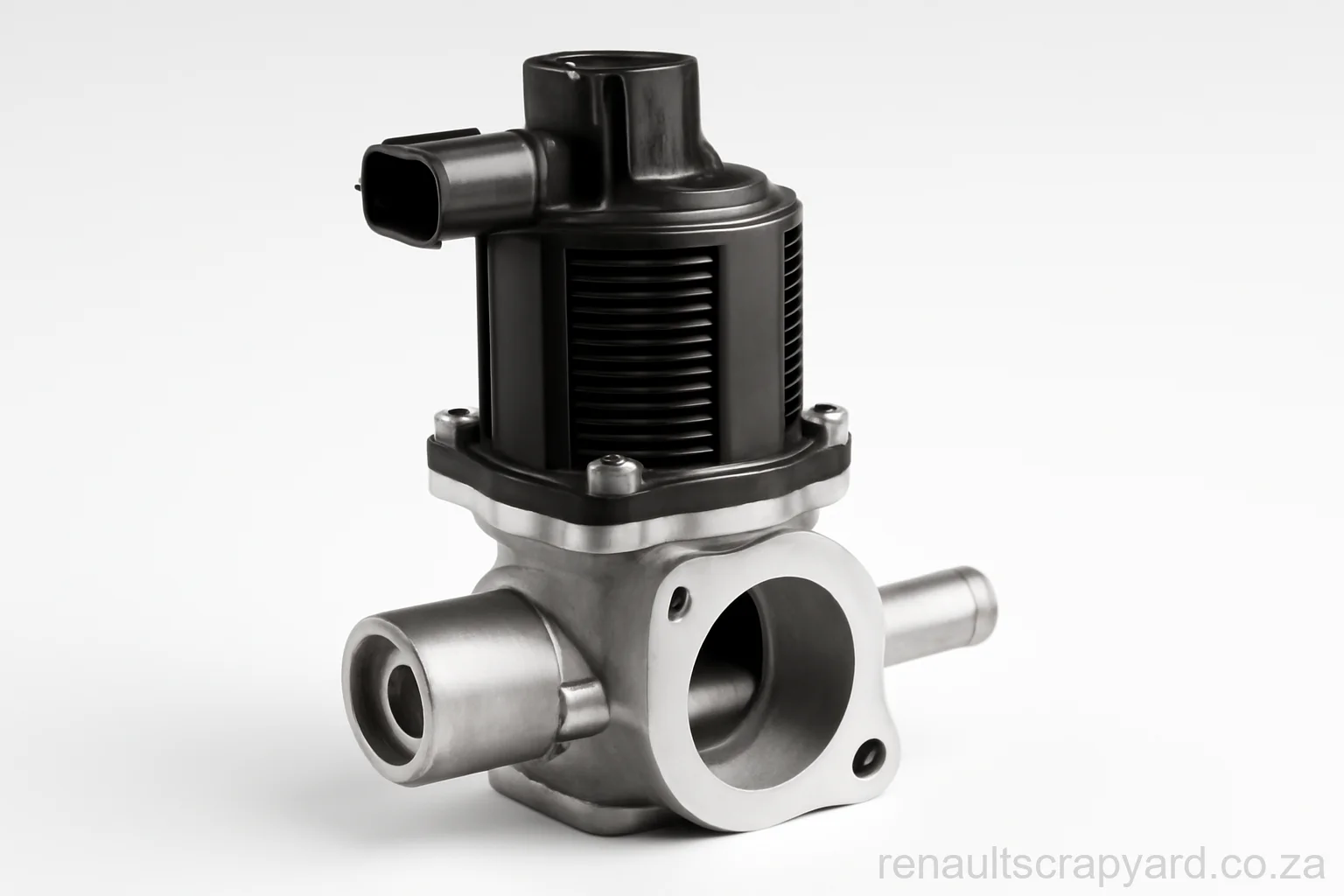
The EGR cooler is plumbed into the cooling system. So when it cracks internally it does not leak onto your driveway — it leaks coolant into the engine. Cars.co.za reports that “Many owners have reported instances of the EGR cooler splitting and leaking, something that quickly leads to overheating problems.”[1] Unsealed 4X4 is blunter still: “When (not if) this part fails, water from your cooling system goes into your engine.”[2]
What makes it genuinely difficult is that the usual diagnostic does not catch it. A South African owners’ thread covers a 2013 Ranger 2.2 XLS losing coolant with no visible leak. One member explained why a pressure test can read clean: “If it leaks on the exhaust side, it will go out the exhaust… The heat of the exhaust will burn the coolant and will evaporate before you can visually see any signs.”[3]
That owner’s coolant was disappearing at a measurable rate, with nothing on the ground and no oil contamination. Across two separate episodes the causes turned out to be a heater radiator, and later an EGR pipe. That is the honest lesson here. Unexplained coolant loss on a Ranger diesel has several possible sources, and the EGR cooler is the most serious of them rather than the only one.
Symptoms
- Coolant level dropping steadily with no puddle, no smell and no visible weep
- White smoke from the exhaust, most obvious under load or on a long climb
- Temperature creeping up when towing or working the truck hard
- A header tank that pushes itself empty or overflows
- Oil level that is not rising — which is what separates this from a classic head gasket failure
Solution
- Measure the loss before chasing it. Note the level, the kilometres and the days between top-ups. A documented rate is worth far more to a workshop than “it seems to be using water.”
- Do not accept a clean pressure test as an all-clear on its own, for the reason quoted above. Ask for an exhaust-gas test on the coolant and a proper look at the EGR circuit.
- Rule out the cheap causes too — radiator cap, heater radiator, cooling hoses — before authorising major work.
- Fit a low-coolant alarm if you tow or travel remote. Unsealed 4X4 suggests exactly this, and on a fault that hides itself it is genuinely useful early warning.[2]
- Browse EGR components if a replacement cooler or valve is what you need.
DIY Difficulty: Hard | Time: Workshop job
Because the 3.2 in the Ranger is the same Duratorq five-cylinder fitted to the first-generation Everest, this fault behaves identically across both. If you run the SUV as well, our Ford Everest problems guide covers the same EGR failure from the Everest’s side, along with the cracked-block outcome it leads to when the overheating goes unaddressed.
3. Turbo Actuator Failure and P2598 Limp Mode
A Ranger that drives normally until it comes onto boost and then drops into limp mode is describing a turbo control fault, not a worn-out turbocharger — and the distinction is worth a great deal of money.
The 2.2 and 3.2 use a variable-nozzle turbo whose vanes are positioned by an electronic actuator. When the actuator stops reporting or reaching its commanded position, the ECU sees boost outside the expected range and pulls power to protect the engine. The fault codes that usually accompany it are P2598 and P2599 — turbocharger boost control position sensor performance, stuck low and stuck high respectively.
A South African owner documented this on a 2012 Ranger 3.2 Supercab manual at around 200,000 km. Their description of the behaviour is the clearest symptom summary you will find: “On start up it drives normal until you go out of boost. Then it goes into limp mode.”[4] They first found and replaced a cracked exhaust manifold and gasket, which did not fix it, then removed and refitted every boost pipe looking for a split. A Ford dealership proposed replacing the complete turbo system — turbo, manifold, intercooler and pipes. The fault was ultimately a “faulty actuator,” resolved by servicing and reprogramming that actuator and cleaning the EGR valve.[4]
That thread dates to 2018, so the rand figures quoted in it are far too old to repeat here as any guide to current pricing. The ratio is the part that still holds: the proposed repair was the entire forced-induction system, and the actual repair was one component serviced and recoded.
Symptoms
- Normal driving until the engine comes onto boost, then a sudden loss of power
- Stored P2598 or P2599 fault codes
- Sluggish acceleration uphill, under load or when overtaking, with normal idle
- An occasional puff of smoke on start-up
- Limp mode that clears on a restart and then returns
Solution
- Scan first and read the actual codes. Boost-control codes point at the actuator and vane mechanism, not at a failed turbo cartridge.
- Check the VNT lever moves freely by hand before fitting a new actuator. If carbon has seized the vanes, a new actuator will simply fail trying to move them.
- Carbon cleaning and actuator recalibration resolve a meaningful share of these before any part is bought.
- Do not drive on it for weeks. Running in limp mode loads the DPF with soot and adds a second, larger problem on top of the first.
- Inspect the boost pipes and the exhaust manifold at the same time — a split hose or a cracked manifold produces overlapping symptoms, and section 4 covers why.
DIY Difficulty: Medium for diagnosis, Hard for replacement | Time: Half a day to diagnose properly
Get a second opinion before a whole-system quote
If a diagnosis arrives as “replace the turbo, manifold, intercooler and pipes,” ask which fault code led there and what was tested to rule out the actuator alone. A complete forced-induction replacement is occasionally correct; it should never be the opening position on a boost-control code.
4. Split Intercooler Hose
This is the cheapest fault in this article and the one most likely to be mistaken for something catastrophic, which is exactly why it is worth knowing.
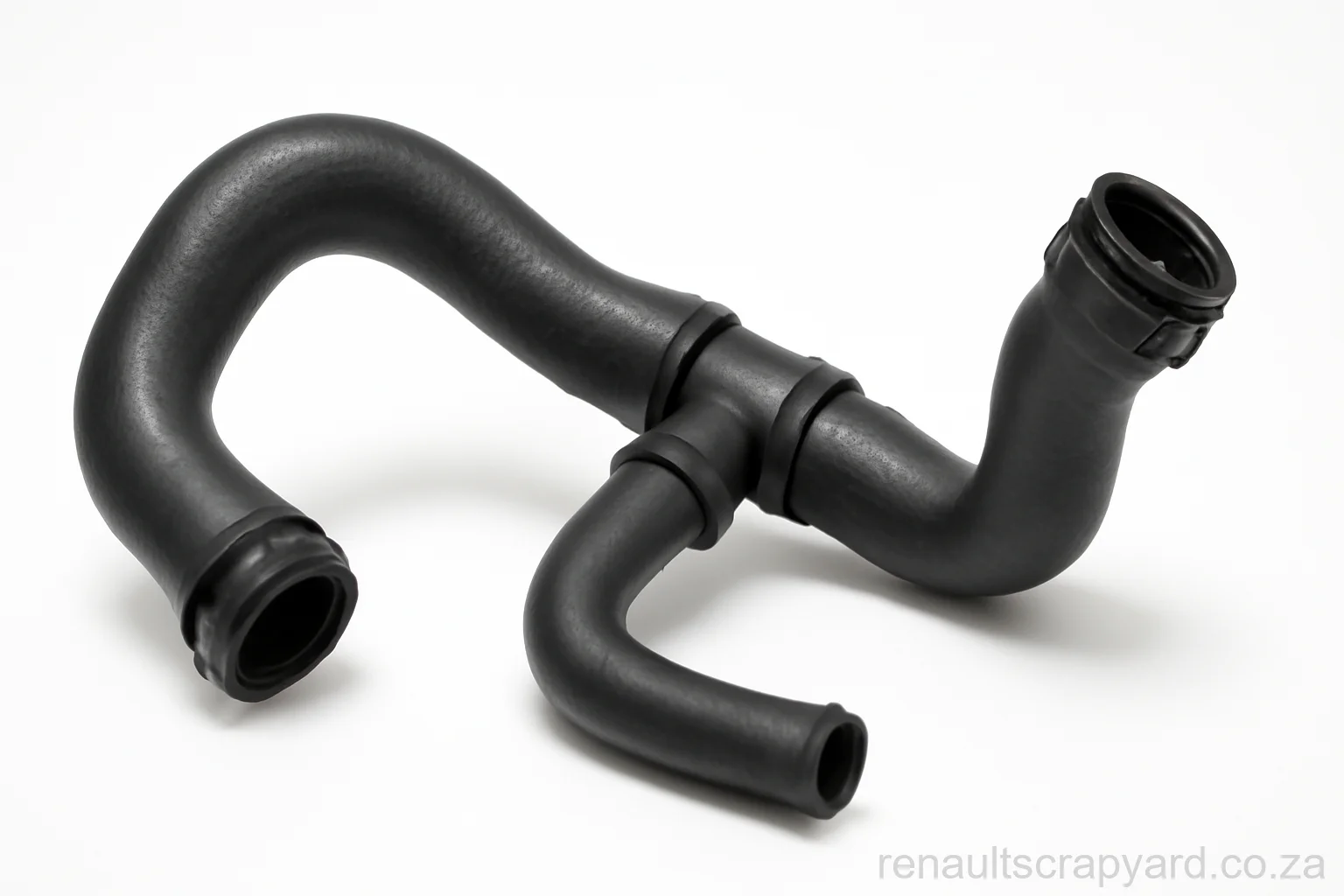
The rubber hoses carrying compressed air between the turbo, intercooler and inlet live a hard life of heat, pressure cycles and engine movement. Unsealed 4X4 notes that “Over time, the rubber upper and lower intercooler hoses can fatigue and even split.” It describes the result vividly: “Plumes of black smoke are coming out of your back end while you go into limp mode.”[2] The same South African owner from section 2 reported precisely this on their 2.2: “My Intercooler popped soon after this.”[3]
Symptoms
- A sudden loss of power accompanied by heavy black smoke
- A distinct whoosh or blowing noise under acceleration
- Limp mode arriving abruptly rather than gradually
- Boost-related fault codes that do not resolve after actuator work
Solution
- Inspect the hoses and clamps visually first. Splits often appear on the underside of a bend where they are not obvious until the hose is flexed by hand.
- Check the clamps before condemning the hose — a clamp that has relaxed produces the same symptoms and costs nothing to correct.
- Consider a hard-pipe upgrade if you tow or tune. Unsealed 4X4 recommends an alloy kit for owners who have had one fail.[2]
DIY Difficulty: Easy | Time: Under an hour for an accessible hose
5. Crank Position Sensor Failure
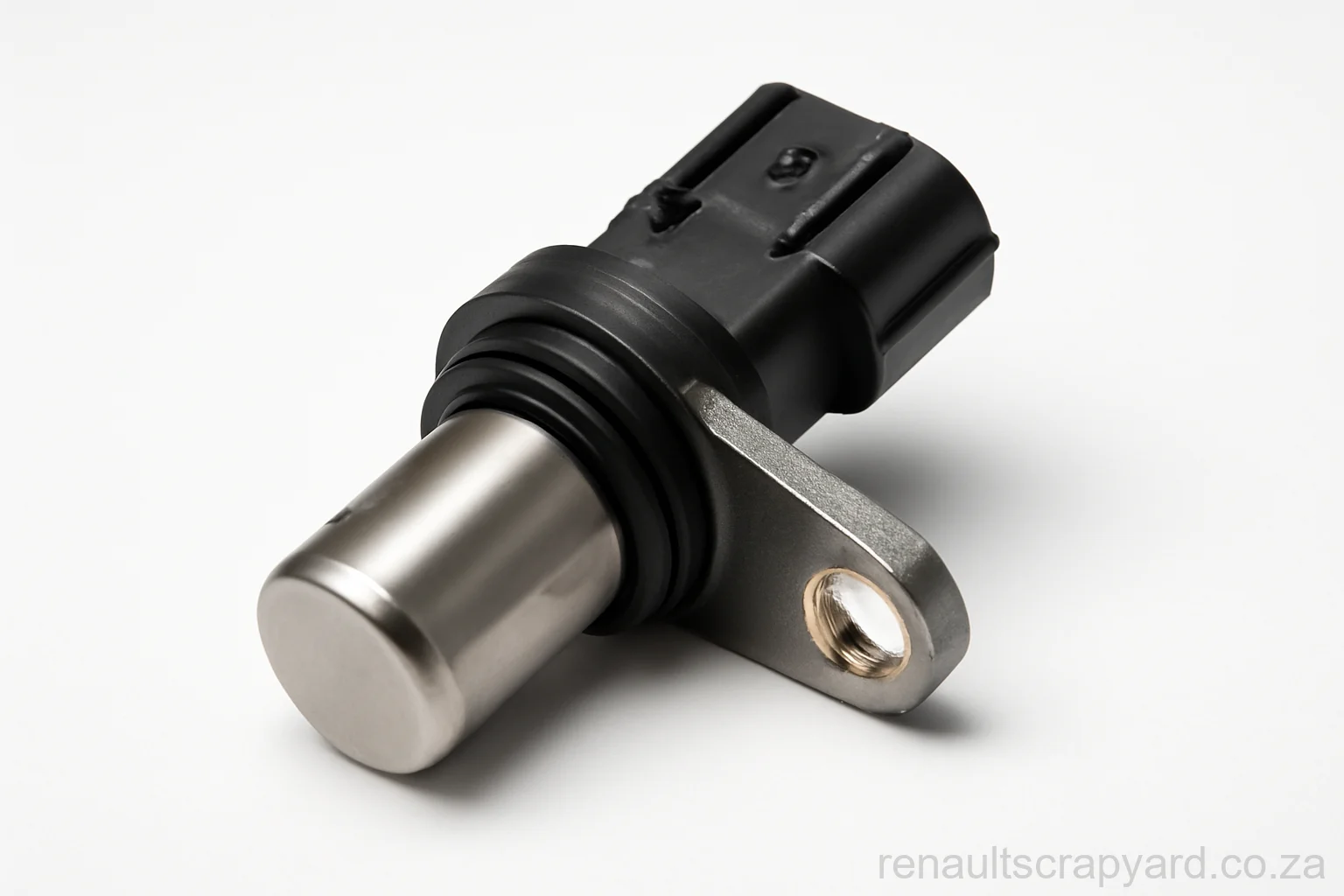
The crankshaft position sensor tells the ECU where the engine is in its rotation. Without a clean signal there is no fuelling and no start — and an intermittent signal produces some of the most confusing symptoms on the truck.
It is a documented weakness on earlier T6 Rangers specifically. Unsealed 4X4 records that “Early models were very susceptible to crank angle sensors failing… causing limp modes, surging, inability to rev,“[2] and Cars.co.za lists “Crank position sensor failures” among the faults to check for when buying.[1]
Symptoms
- The engine cutting out while driving and then restarting normally a few minutes later
- Surging or hunting, or an engine that will not rev past a point
- A crank-but-no-start condition that comes and goes, often worse when hot
- Limp mode with no obvious boost or transmission cause
Solution
- Scan for crank and cam correlation codes before replacing fuel components — these symptoms are routinely misdiagnosed as a fuel pump or injector fault.
- Check the wiring and connector, not just the sensor. Heat-damaged insulation and a corroded plug give the same intermittent signal.
- Replace with a known-good quality part. A marginal sensor reproduces the original fault and wastes the diagnosis.
- Browse engine sensors for the part itself.
DIY Difficulty: Medium | Time: 1–2 hours depending on access
A cutting-out Ranger can equally be an electrical supply or earth problem rather than a sensor — our Ford Ranger electrical problems guide covers the battery, charging and wiring faults that produce overlapping symptoms.
6. Common-Rail Injector Wear
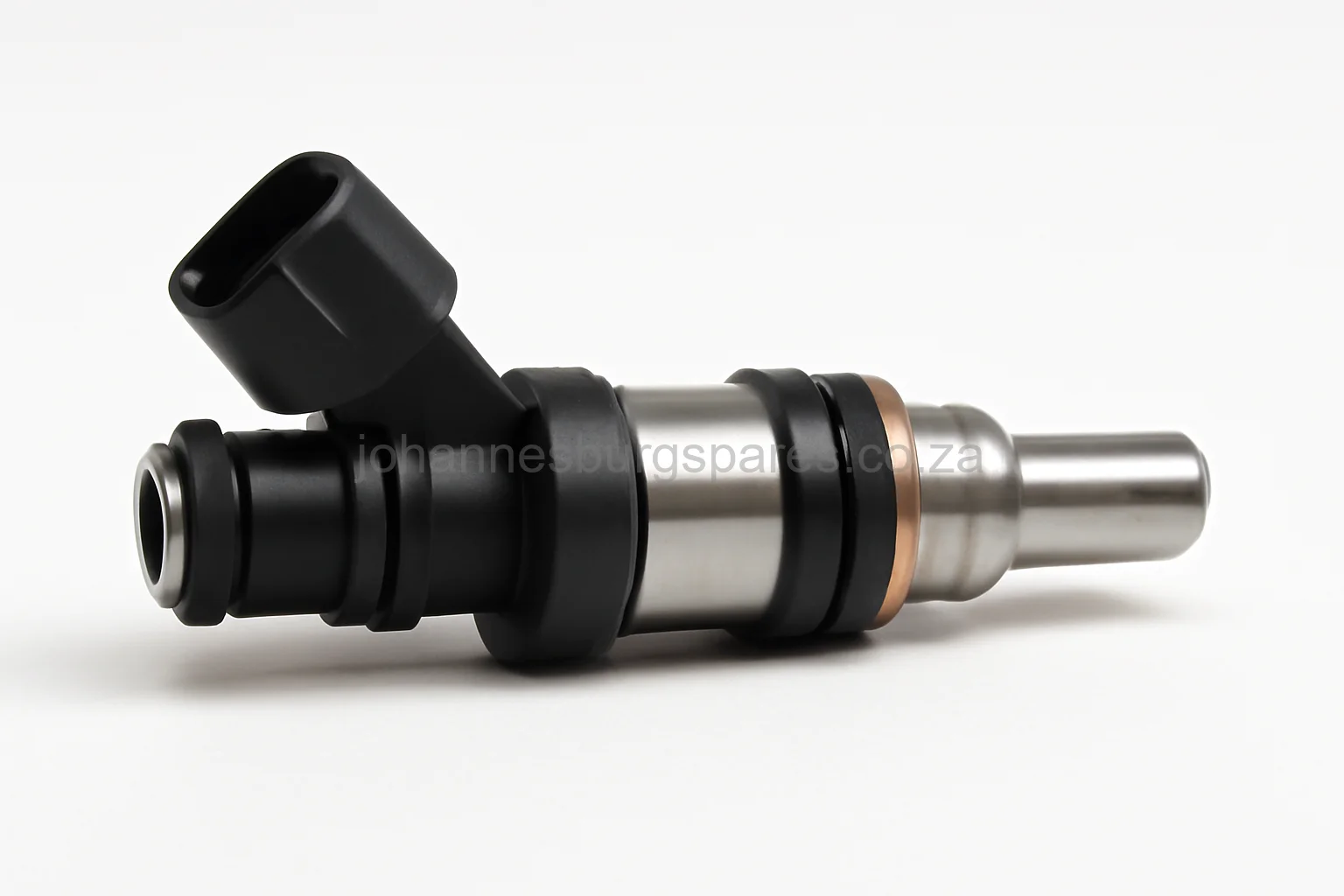
Both Duratorq engines use high-pressure common-rail injection. At these pressures, cleanliness stops being housekeeping and becomes a mechanical requirement. Cars.co.za lists “injector problems” among the known faults on these engines.[1]
Unsealed 4X4 covers what happens when anything other than clean diesel reaches them.[2]
An injector that is worn or stuck does not just run badly. A nozzle delivering an unmetered extra dose of fuel into one cylinder is a mechanical load on that piston and that section of head — which is how a fuel fault escalates into engine damage.
Symptoms
- A sharp metallic knock, often from one area of the engine and worst at idle when cold
- Rough or uneven idle, and misfiring under light load
- Black or grey smoke and a noticeable drop in fuel economy
- Harder starting than the truck used to manage
Solution
- Have the injectors tested rather than guessed at. A back-leakage test identifies which units are at fault instead of replacing all of them.
- Change fuel filters on schedule, and do not stretch the interval. On a common-rail system a fresh fuel filter is the cheapest protection available.
- Fix a knock promptly. The knock is the warning; the piston and head damage is what follows if it is ignored.
- Address fuel quality if you have had repeat failures — repeated injector trouble usually points at what is going into the tank.
- If the damage has already reached the top end, cylinder heads and engine blocks are both available used.
DIY Difficulty: Hard | Time: Workshop job — testing required before parts
Preventative Maintenance
What actually protects these engines
| Item | Interval | Why it matters on a 2.2 or 3.2 |
|---|---|---|
| Oil and filter change, done promptly | Per service schedule | The drain-time limit in section 1 — this is the big one |
| Fuel filter change | Per service schedule, never stretched | The only real defence against injector erosion |
| Coolant level check | Weekly if you tow or travel remote | EGR cooler intrusion hides itself; a rate of loss is the tell |
| Boost hose and clamp inspection | Every service | A two-minute visual that prevents a roadside limp-mode scare |
| Diagnostic scan | Annually | Stored codes usually predate the symptom you eventually feel |
The four habits that matter most
- Treat an oil pressure light as an emergency, always. On these engines specifically, the difference between stopping immediately and driving a short distance further is the difference between an inspection and a rebuild.
- Make sure your workshop knows about the oil-pump drain limit. It is not universally known. Asking the question costs nothing and it is the single highest-value thing in this article.
- Track coolant consumption in writing. A level that drops predictably over a known distance is evidence. “It seems to use a bit of water” is not, and it is why these faults run for months.
- Scan before you buy parts. Two of the six faults here — the turbo actuator and the crank sensor — are routinely diagnosed as something several times more expensive.
Parts Cards — Most Frequently Replaced Ranger Engine Components
Ford Ranger EGR Cooler and Valve
The component behind unexplained coolant loss on the 2.2 and 3.2 Duratorq. Replacing a cracked cooler before the overheating does structural damage is the difference between a cooling-system repair and an engine rebuild. We source EGR coolers and valves for both engines.
Ford Ranger Common-Rail Injectors
For 2.2 TDCi and 3.2 TDCi Duratorq engines. Worth having tested first so you replace the units that have actually failed rather than a full set. We can source individual injectors or complete sets to suit your engine code.
Ford Ranger Crank Position Sensor
A small part behind some of the Ranger's most frustrating intermittent faults — cutting out, surging, refusing to rev, then starting perfectly for the mechanic. Worth fitting a quality unit rather than the cheapest available.

Ford Ranger 2.2 and 3.2 Engine and Long Block
When an oil pump failure or sustained overheating has gone too far, a tested used engine or long-block assembly is usually the faster and more economical route back onto the road. We source P4AT and P5AT units across the T6 range.
What Drives the Cost of a Ranger Engine Repair
You will notice this article does not carry a table of rand figures. That is deliberate. Diesel repair pricing in South Africa moves with the exchange rate, with parts availability, and with whether a component is new, reconditioned or good used. A table of prices copied from an old source is worse than no table at all, because it anchors your expectations to numbers that were never true for your truck. For an actual figure, get a current quote on the specific part and fault.
What is stable enough to be useful is the ordering, and it is not what most owners expect:
- A scan and a proper diagnosis is the cheapest money you will spend, and on two of the six faults above it is what stands between an actuator service and a complete turbo system, or between a sensor and a fuel-system overhaul.
- The mid-range repairs are component swaps — EGR cooler, injectors, actuator, sensor. Meaningful money, but bounded and predictable.
- The catastrophic outcomes are always secondary damage, not the original fault. Nobody pays for an engine because an oil pump failed; they pay for an engine because the oil pump failed and the truck kept running. The same is true of the EGR cooler and of an ignored injector knock.
- Used and reconditioned parts change the maths considerably on the big-ticket items, where a tested used long block, head or complete engine is a fraction of a new dealer unit.
FAQ
What are the most common Ford Ranger engine problems?
On the 2.2 TDCi and 3.2 TDCi Duratorq engines, the most reported faults are variable-displacement oil pump failure, EGR cooler cracking and letting coolant into the engine, turbo actuator faults producing P2598 or P2599 limp mode, split intercooler hoses causing black smoke and sudden power loss, crank position sensor failure on earlier models, and common-rail injector wear. The first two are the ones capable of destroying an engine; the rest are component replacements if caught early.
What is the Ford Ranger 10-minute oil change rule?
The 2.2 and 3.2 Duratorq engines use a variable-displacement vane oil pump rather than a conventional gear pump, and it will not reliably re-prime if the sump is left drained for too long. Specialist rebuilders describe a roughly ten-minute drain window, after which the pump may fail to pick up oil when the engine is restarted, leaving the engine running with no oil pressure. It is an easy trap for anyone unaware of it, which is why it is worth confirming that whoever services your Ranger knows about it.
Why is my Ford Ranger losing coolant with no visible leak?
The most serious cause is a cracked EGR cooler, which sits inside the cooling circuit and pushes coolant into the intake and exhaust rather than onto the ground. Because the exhaust heat burns the coolant off, there may be nothing visible at all, and a standard pressure test can read clean. Other possible causes include the heater radiator, hoses and the radiator cap. Record how much coolant you add over how many kilometres before diagnosis — a documented rate of loss is the most useful thing you can hand a workshop.
What does fault code P2598 mean on a Ford Ranger?
P2598 refers to turbocharger boost control position sensor performance, stuck low, and P2599 is the stuck-high equivalent. On the Ranger they usually indicate a failing electronic turbo actuator or vanes seized with carbon, rather than a failed turbocharger. The classic symptom is a truck that drives normally until it comes onto boost and then drops into limp mode. Have the actuator and vane movement checked before accepting a quote for a complete turbo system.
Is the Ford Ranger 3.2 TDCi a reliable engine?
The five-cylinder 3.2 Duratorq is a durable engine that regularly covers high mileage, but it has a specific set of known weak points rather than a general reliability problem — the oil pump, the EGR cooler, the turbo actuator and the injectors. Owners who know about those and address them early tend to get very long service from these engines. It is worth noting that the 3.2 is the same engine fitted to the first-generation Ford Everest, so the two share these faults.
Can I still get parts for a Ford Ranger 2.2 and 3.2 TDCi in South Africa?
Yes. The T6 Ranger sold in very large numbers in South Africa from 2011, so both the P4AT 2.2 and P5AT 3.2 are extremely well supported for used, reconditioned and aftermarket parts — engines, cylinder heads, EGR components, injectors, turbochargers and sensors are all readily available. That depth of supply is one of the practical advantages of running a Ranger here compared with a lower-volume bakkie.
Should I repair or replace a damaged Ranger engine?
It depends on what failed and what it damaged on the way. A single failed component caught early — an actuator, a sensor, an EGR cooler, one injector — is almost always worth repairing. Where an oil pump failure or sustained overheating has already scored bearings or cracked a block, a tested used engine or reconditioned long block is usually faster and more economical than a piecemeal rebuild. Have the engine inspected and a decision made on findings rather than on symptoms.
Does the Ford Ranger 2.0 have the same engine problems?
No. The 2.0 SiT and 2.0 BiT engines introduced with the 2019 refresh are a different design from the 2.2 and 3.2 Duratorq, and they do not share the vane oil pump or the same EGR cooler arrangement. They have their own early reputation instead — the Cars.co.za buyer’s guide notes reports of 2.0 SiT engines smoking excessively and using oil, alongside some early failures of the 10-speed automatic. This guide covers the 2.2 and 3.2 specifically.
Conclusion
Most Ford Ranger engine failures in South Africa are not the engine wearing out — they are one of a small number of known components failing, and then being driven on. The oil pump and the EGR cooler are the two that genuinely destroy engines, and both are quiet about it: one can be triggered by a slow oil change, and the other hides its coolant loss in the exhaust where a pressure test cannot see it. The turbo actuator, the boost hoses, the crank sensor and the injectors are all recoverable faults that get expensive mainly through misdiagnosis.
If you take two things from this guide, make them these. Ask whether your workshop knows about the oil-pump drain limit before your next service. And insist on a scan and a named fault code before authorising any large repair — on the evidence above, that single step is what separates an actuator service from a complete turbo system.
If your symptoms are gear-related rather than engine-related, our Ford Ranger transmission problems guide covers the 6R80 and 10R80 automatics. And when you need an engine component sourced via Used Ford Parts, call 010 230 0168, WhatsApp 078 574 3998, or email partsoncall123@gmail.com.
Sources
- Cars.co.za — Ford Ranger (2015-2022) Buyer’s Guide: cars.co.za
- Unsealed 4X4 — Ford Ranger 3.2L Common Problems and Solutions: unsealed4x4.com.au
- 4x4 Community Forum (South Africa) — Ranger 2.2 losing coolant: 4x4community.co.za
- 4x4 Community Forum (South Africa) — My 3.2 Ranger Problems: 4x4community.co.za
- Cars.co.za — SA’s best- and worst-selling bakkies of 2025: cars.co.za
Affected Ford Models
Related Parts
Need Ford Parts?
Get quality used Ford parts delivered anywhere in South Africa
Share this article
Related Articles

Ford Bantam Common Problems: 8 Faults Every SA Owner Should Know
The 8 most common Ford Bantam problems in South Africa — Rocam engine faults, immobilizer lockout, timing chain rattle, and more with real ZAR repair costs.

Ford EcoSport Common Problems: Oil-Pump Belt, PowerShift 6DCT250 & the SA Half-Shaft Recall (Owner's Guide)
Complete SA owner's guide to Ford EcoSport problems — 1.0 EcoBoost oil-pump belt, 1.0 EcoBoost wet timing belt, PowerShift 6DCT250 dry-clutch judder, the 2025 Ford SA 25S12 front-half-shaft recall (2,806 SA units), DPF clog on the 1.5 TDCi, SYNC recall and shock-absorber wear. Indicative repair costs in ZAR.

Ford Everest Problems: 5 Faults Every SA Owner Must Know (Owner's Guide)
The 5 most common Ford Everest problems in South Africa — 2.0 Bi-Turbo wet timing belt, 3.2 TDCi coolant intrusion and cracked block, 10R80 10-speed shudder, DPF clogging and the July 2025 V6 camshaft sprocket recall, with real ZAR repair costs.