


Ford Ranger Transmission Problems: Symptoms, Causes & SA Repair Costs

Quick Info
Estimated Repair Cost
Estimated Repair Time
Key Takeaways
| Problem | Severity | Typical SA Cost (ZAR) |
|---|---|---|
| Torque Converter Shudder | High | R12,000 – R28,000 |
| 10R80 CDF Drum Failure | Critical | R25,000 – R45,000 |
| 6R80 Lead Frame Fault | High | R6,500 – R12,000 |
| Limp Mode & Harsh Shifting | High | R3,500 – R15,000 |
| Older 5-Speed Servo-Bore Wear | Medium | R15,000 – R25,000 |
The Ford Ranger is South Africa’s best-selling bakkie, and its automatic gearbox does a lot of heavy lifting — towing, off-road crawling, and the daily commute all pass through it. Most Ranger transmission complaints trace back to a handful of well-documented fault clusters that vary by gearbox generation: the older 5-speed automatic, the 6R80 six-speed fitted from roughly 2011, and the 10R80 ten-speed introduced on the later T6.2 models. Catching the early symptoms — a shudder at cruise, a delayed engagement into Drive, an unexpected drop into limp mode — is the difference between a solenoid-and-fluid job and a full rebuild. For a full view of available components, browse the Ford Ranger parts catalogue.
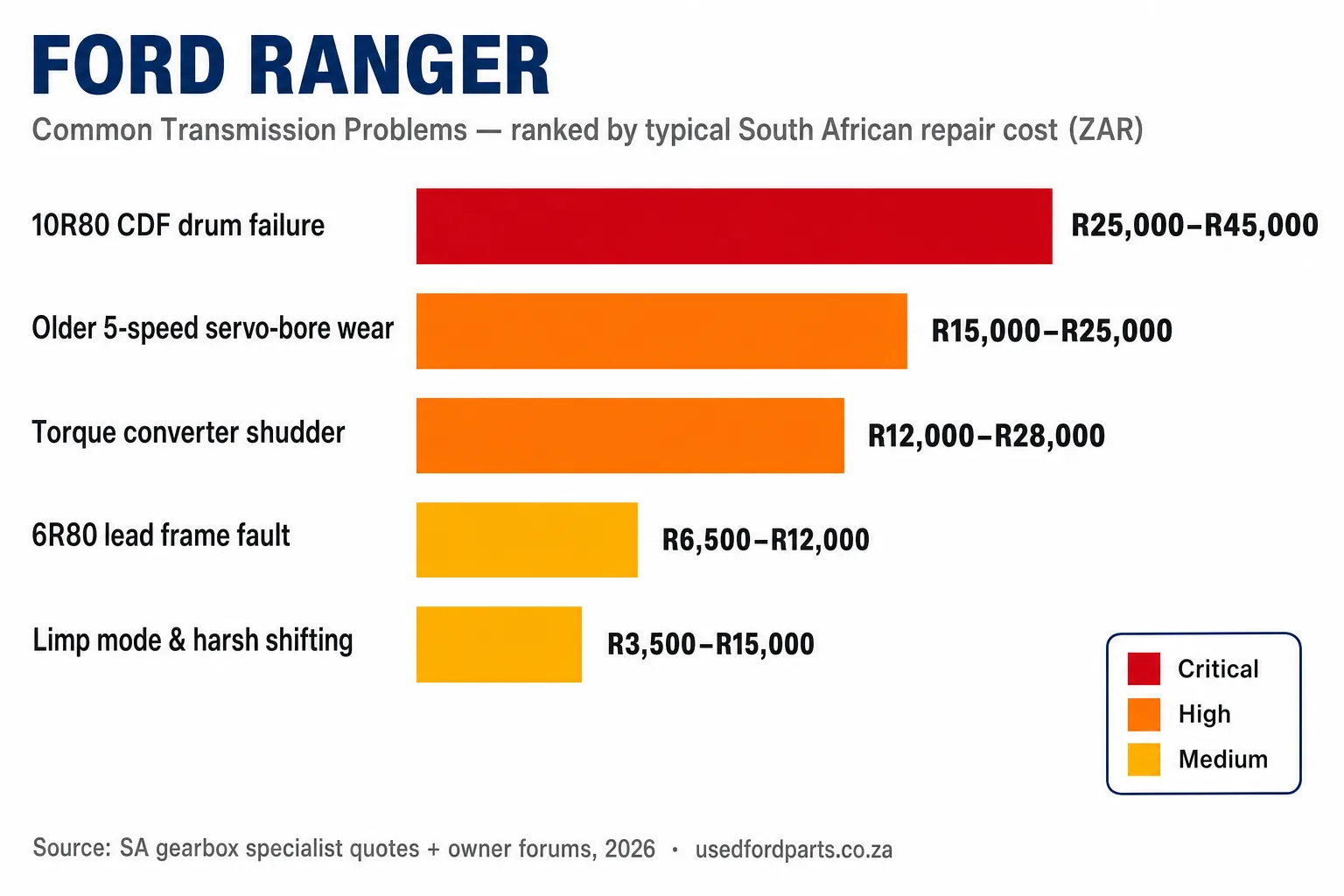
Ford Ranger Transmission Overview
| Gearbox | Fitted to | Type | Notable weak point |
|---|---|---|---|
| 5R55E / 5R55S | Older Ranger (to ~2011) | 5-speed automatic | Servo-bore wear in aluminium case |
| 6R80 | T6 Ranger (~2011 onward) | 6-speed automatic | Mechatronic lead frame / solenoids |
| 10R80 | T6.2 Ranger (2019 onward) | 10-speed automatic | CDF drum sleeve movement |
| Manual | All generations | 5/6-speed manual | Clutch wear, synchro grind |
The fluid matters as much as the gearbox. The 10R80 uses Mercon ULV, a low-viscosity fluid that degrades faster under sustained high temperatures — exactly the conditions you get towing a caravan up a Free State pass in midsummer.[1]
1. Torque Converter Shudder
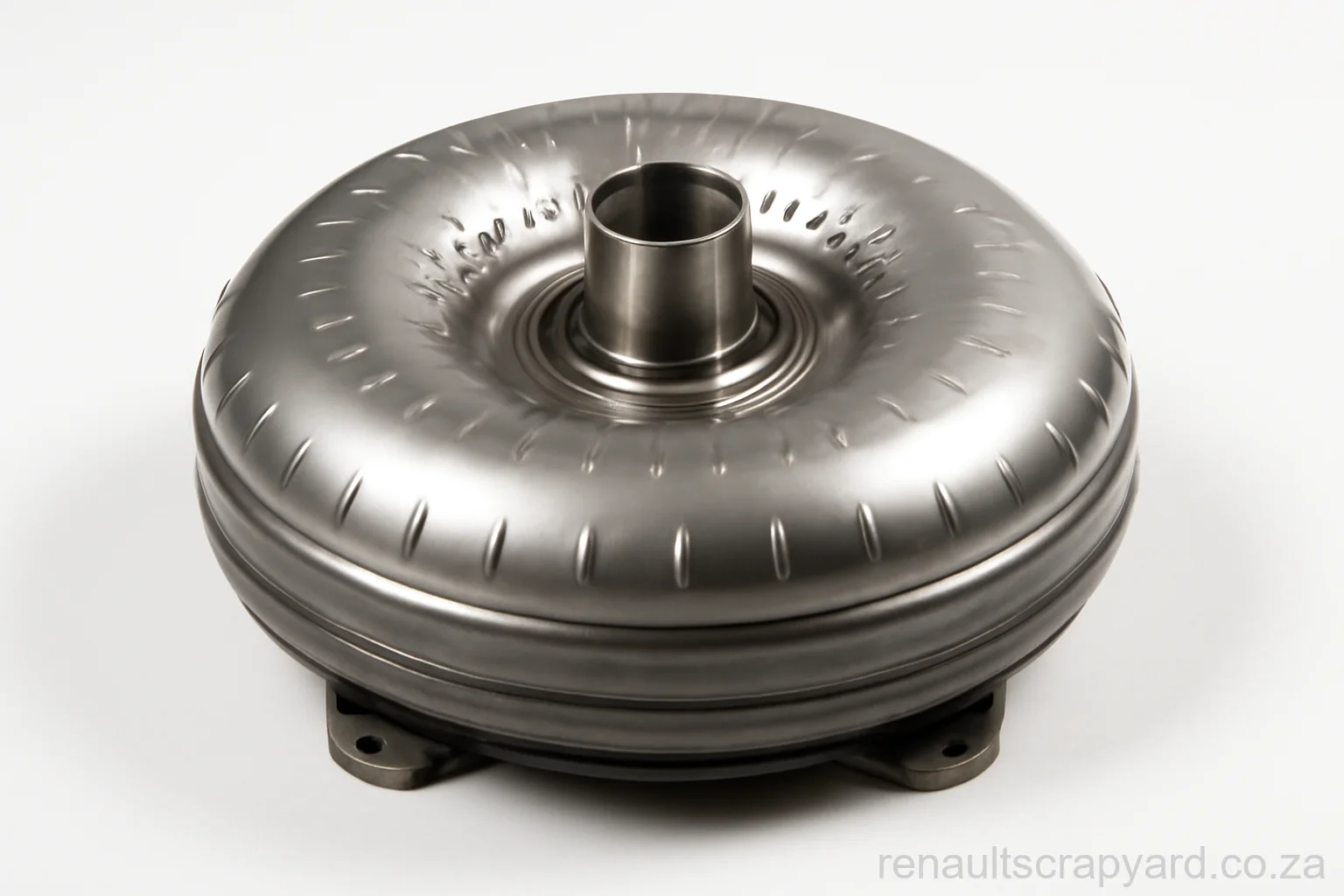
Torque converter shudder is the single most common automatic-transmission complaint across Ranger generations. It shows up as a light vibration or “judder” at a steady cruise — typically between 60 and 90 km/h — when the torque converter clutch (TCC) tries to lock the engine to the gearbox and can’t hold a clean lock.
Causes
- Torque converter clutch friction material wearing and shedding into the fluid
- A sticking or leaking TCC solenoid
- Valve body bore wear causing pressure modulation errors
- Degraded or overheated transmission fluid
Symptoms
- A shudder or fine vibration at constant throttle, often felt through the seat at 60–90 km/h[2]
- Engine RPM flickers slightly (100–200 rpm) while holding a steady speed
- A stored P0741 fault code (Torque Converter Clutch Circuit Performance / Stuck Off)
- Rising transmission temperature and a knock-on drop in fuel economy
Solution
- Scan first: A P0741 code points at the TCC circuit — read fault codes and freeze-frame data before condemning the converter
- Fluid service: A full fluid-and-filter change sometimes clears an early shudder caused by degraded fluid; it never hurts to rule it out first
- Solenoid and valve body check: A sticking TCC solenoid or worn valve body bore can be addressed without replacing the converter
- Converter replacement: Once the friction lining is shedding, the torque converter itself must be replaced and the system flushed of debris
DIY Difficulty: Hard | Time: Workshop job (1–2 days)
Don’t ignore the shudder
A slipping torque converter contaminates the fluid with friction debris. If the transmission overheats far enough, the ECU drops it into limp mode to protect itself — and what started as a converter job can become a full rebuild.[3]
2. 10R80 CDF Drum Failure
The 10R80 ten-speed automatic, fitted to the later T6.2 Ranger, has a specific and well-documented weak point: the CDF clutch drum. A pressed-in sleeve inside the drum can shift position over time, misaligning the internal fluid passages and starving the clutch pack of pressure.
Causes
- The pressed-in sleeve in the CDF drum migrating out of position
- Misaligned fluid passages reducing clutch apply pressure
- Higher failure concentration on units built before the mid-2022 design revision[1]
Symptoms
- A delayed engagement when selecting Drive, followed by a hard lunge
- Harsh or flared 3–5 upshifts
- A stored P0735 (gear ratio) or related shift-timing fault code
- Symptoms commonly clustering in the early-life window rather than at high mileage

Solution
- Scan and confirm: A delayed-then-harsh engagement with a shift-timing code is the classic CDF drum signature — confirm with a proper scan before opening anything
- Drum replacement: The repair means removing the transmission and replacing the affected drum assembly
- Software check: Ensure the TCM has the latest calibration after any internal work, as Ford released shift-strategy updates for these units
- Consider a remanufactured unit: On higher-mileage trucks, a quality remanufactured or used 10R80 can be more economical than a piecemeal internal repair
DIY Difficulty: Not DIY | Time: Workshop job (2–3 days)
3. 6R80 Lead Frame Fault
The 6R80 six-speed automatic is generally a tough gearbox, but its mechatronic lead frame — the moulded plastic harness that carries power and signal to the internal solenoids and sensors — is a known weak spot. It houses the output shaft speed sensor and the range sensor, so when it degrades the TCM stops getting clean data.
Causes
- Degradation of the moulded plastic lead frame over time and heat cycles
- Moisture intrusion and corrosion at the internal connections
- Failing output shaft speed sensor or range sensor housed within the frame[1]
Symptoms
- Sudden harsh downshifts with no warning
- Speedometer dropout (the needle falls to zero while moving)
- Intermittent no-crank condition (the range sensor tells the ECU the truck isn’t in Park or Neutral)
- Stored P0720 / P0722 (speed sensor) or P0705 / P0708 (range sensor) fault codes
Solution
- Read the codes: Speed-sensor and range-sensor codes appearing together point at the lead frame rather than individual sensors
- Lead frame replacement: The frame is replaceable on its own without a full rebuild — far cheaper than condemning the whole gearbox
- Inspect for moisture: Address any source of water or moisture intrusion before fitting the new frame, or it will fail again
- Full rebuild only if needed: If the harsh shifts have already damaged clutches, a rebuild may be unavoidable — but the lead frame alone fixes most cases caught early
DIY Difficulty: Hard | Time: Workshop job (1 day)
4. Limp Mode & Harsh Shifting
“Limp mode” is the gearbox protecting itself. When the TCM detects a fault it can’t drive around safely, it locks the transmission into a single gear (usually third) and cuts power, so you can limp home rather than destroy the box. On the Ranger it’s a symptom, not a fault in itself — the job is finding what triggered it.
Causes
- Low or degraded transmission fluid reducing hydraulic pressure
- A failing shift solenoid or pressure control solenoid (P0776 and similar)
- A faulty transmission range sensor or wiring harness damage
- A weak battery causing voltage-related faults that mimic transmission problems[4]
Symptoms
- The transmission warning light or “wrench” light on the dash
- The truck stuck in one gear, with sluggish, low-power acceleration
- Hard, clunking shifts or gears that don’t change when you select Drive
- Jerky changes, a burning smell, or visible fluid leaks
Solution
- Scan for codes first: Limp mode always stores a fault code — read it before assuming the worst
- Check fluid level and condition: Low or burnt fluid is a common, cheap cause; grey fluid with metal in it is not
- Test the battery: A weak battery can throw voltage-related faults that drop the truck into limp mode without the gearbox being at fault
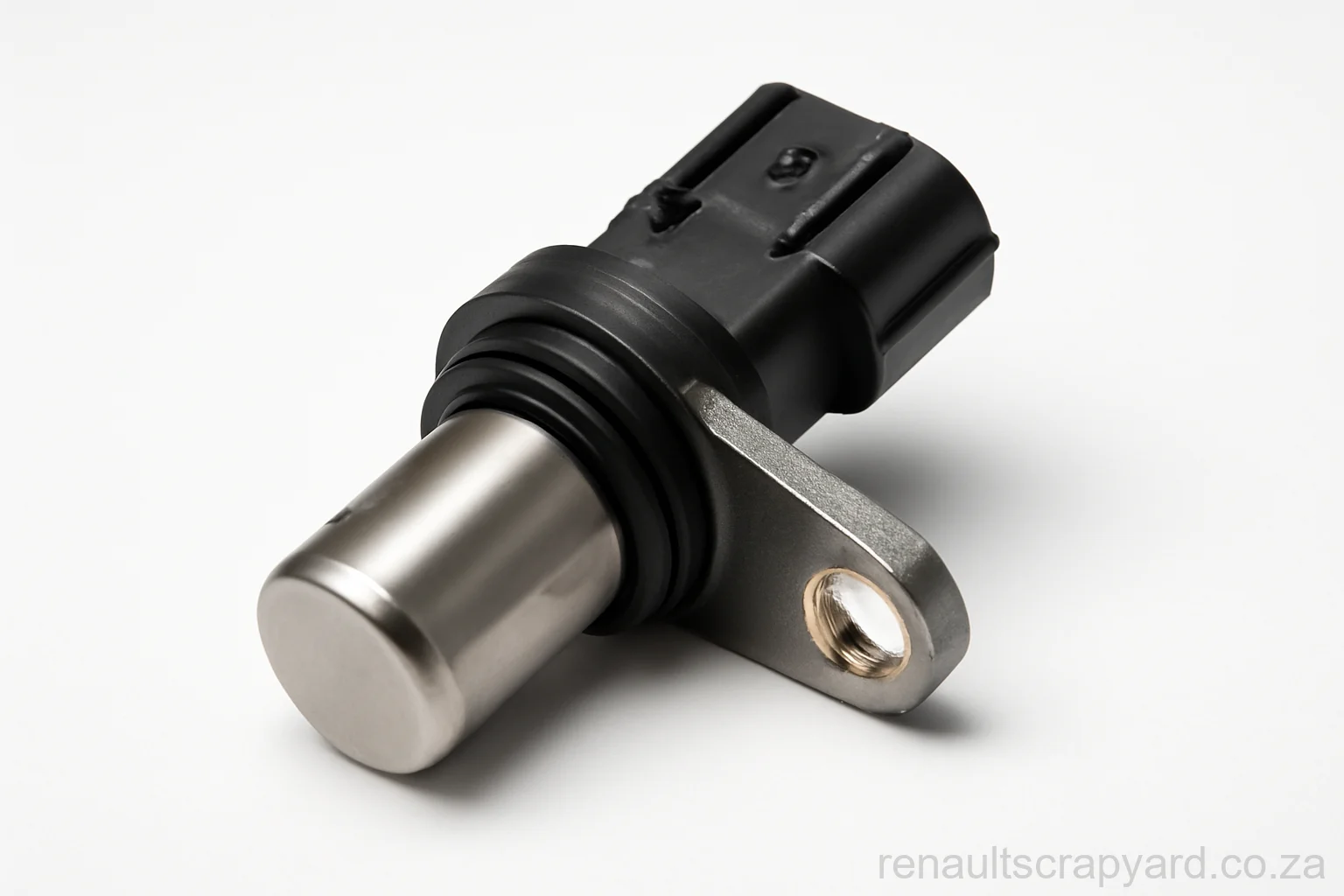
- Solenoid or range sensor: A single failed shift solenoid or range sensor is a far smaller job than a rebuild — isolate it before committing to teardown
DIY Difficulty: Medium (diagnosis) | Time: 1–4 hours to diagnose
Reset trick that’s worth trying
After fixing the underlying cause, a TCM relearn (or a 15-minute battery disconnect) can clear a stuck limp-mode state and restore normal shifting. If it drops straight back into limp mode, the root fault hasn’t been fixed yet.
5. Older 5-Speed Servo-Bore Wear
Older Rangers with the 5R55E/5R55S five-speed automatic have a classic high-mileage failure: the steel servo pins cycle inside soft aluminium bores in the case, and over many years those bores wear oval (“egg out”). Hydraulic pressure then leaks past the servo instead of clamping the band, and shift quality falls apart.
Causes
- Steel servo pins wearing the soft aluminium case bores over time
- Worn bores leaking apply pressure instead of clamping the band
- Typically a high-mileage failure (often well past 150,000 km)[1]
Symptoms
- Engine RPM climbing or flaring between gears (a slip on the shift)
- Delayed engagement into Reverse
- Inconsistent shift quality that worsens as the box warms up
- Stored P0732 / P0733 (gear ratio) or P0745 (pressure control) codes

Solution
- Confirm with a scan: Gear-ratio codes plus RPM flare on the shift point at servo-bore or band wear
- Sleeve repair: Specialist rebuilders can re-sleeve the worn bores back to spec during a rebuild
- Full rebuild or exchange unit: On a high-kilometre truck, a complete rebuild or a quality exchange gearbox is usually the better-value route than a single-bore repair
- Fresh fluid afterwards: Always refill with the correct specification fluid and confirm the level on a level surface at the right temperature
DIY Difficulty: Not DIY | Time: Workshop job (2–3 days)
Preventative Maintenance Tips
Transmission Service Schedule
| Service | Interval | What it covers |
|---|---|---|
| Fluid level check | Every service | Level, colour, smell of ATF |
| Fluid & filter change | Every 60,000 km (sooner if towing) | Drain, new filter, correct-spec refill |
| Diagnostic scan | Annually | Stored transmission fault codes |
| Cooler / radiator check | Every 12 months | Transmission cooler flow, leaks |
Critical Maintenance Items
- Service the fluid — don’t believe “fill for life”: Heat is what kills automatic gearboxes, and the Ranger works hard in SA conditions. A fluid-and-filter change at sensible intervals is the cheapest insurance you can buy.
- Fit a transmission cooler if you tow: Sustained high fluid temperatures glaze the clutches and degrade the fluid long before normal service life — a worthwhile addition for caravan and trailer duty.
- Address shudders early: A torque-converter shudder caught early is a converter job; ignored, it becomes a rebuild as debris circulates.
- Keep the battery healthy: A weak battery throws voltage faults that can drop the truck into limp mode and mimic gearbox failure — rule it out before any expensive diagnosis.
Parts Cards — Most Frequently Replaced Ranger Transmission Components
Ford Ranger Torque Converter
The first component to suspect when you feel a shudder at cruise or pick up a P0741 code. Replacing a worn converter early — before the friction lining sheds debris through the box — is what keeps a small job from becoming a rebuild.
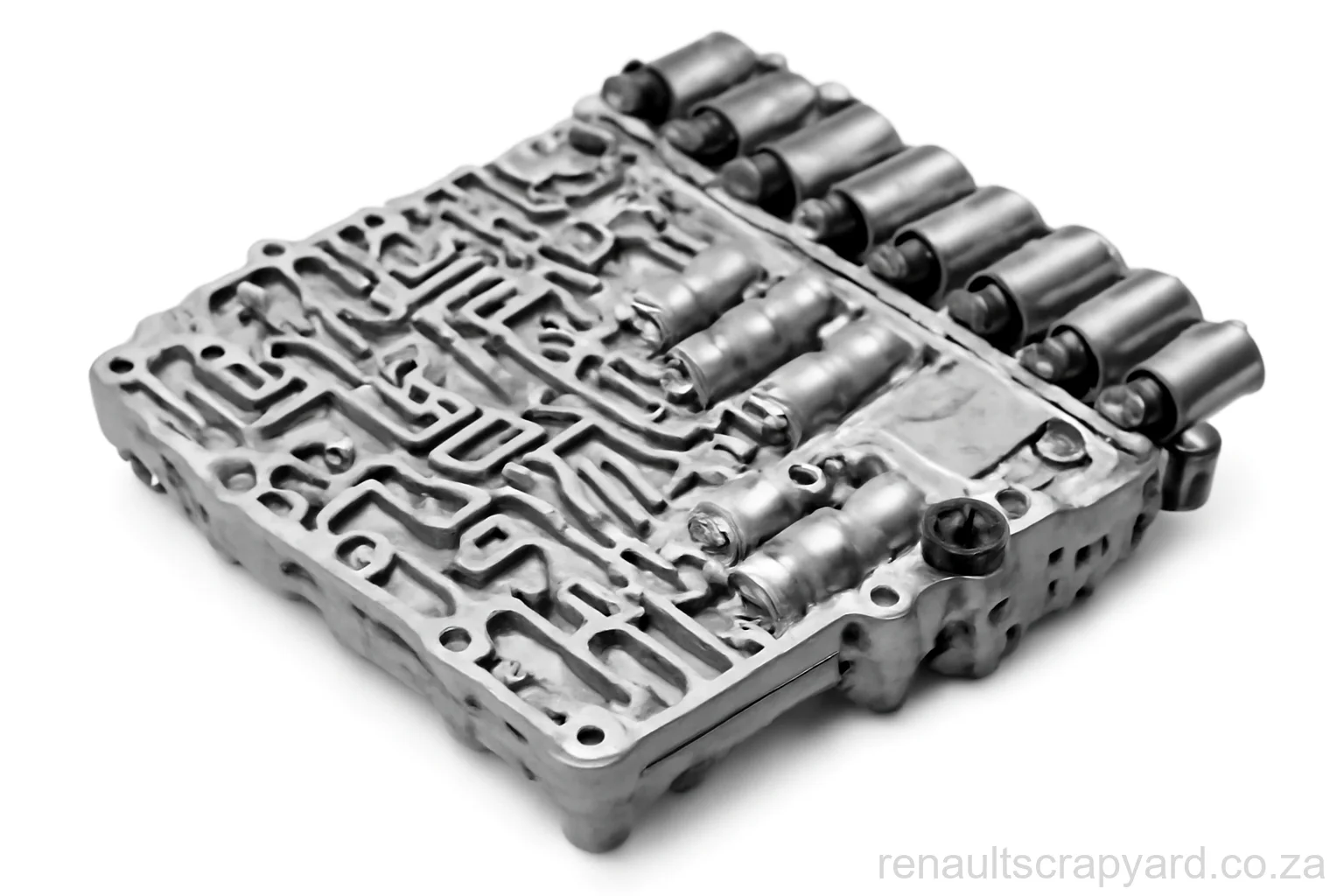
Ford Ranger Valve Body / Mechatronic
Houses the shift solenoids and the 6R80 lead frame. Harsh shifts, speedometer dropout, and combined speed/range sensor codes usually point here rather than at the whole gearbox. A valve-body or lead-frame fix is far cheaper than a rebuild.
Ford Ranger Complete Gearbox
For high-mileage 5-speed, 6R80 and 10R80 units where a rebuild isn't worth it, a quality-tested exchange gearbox gets the truck back on the road faster. We source 6-speed and 10-speed automatics and manual boxes to suit your Ranger.
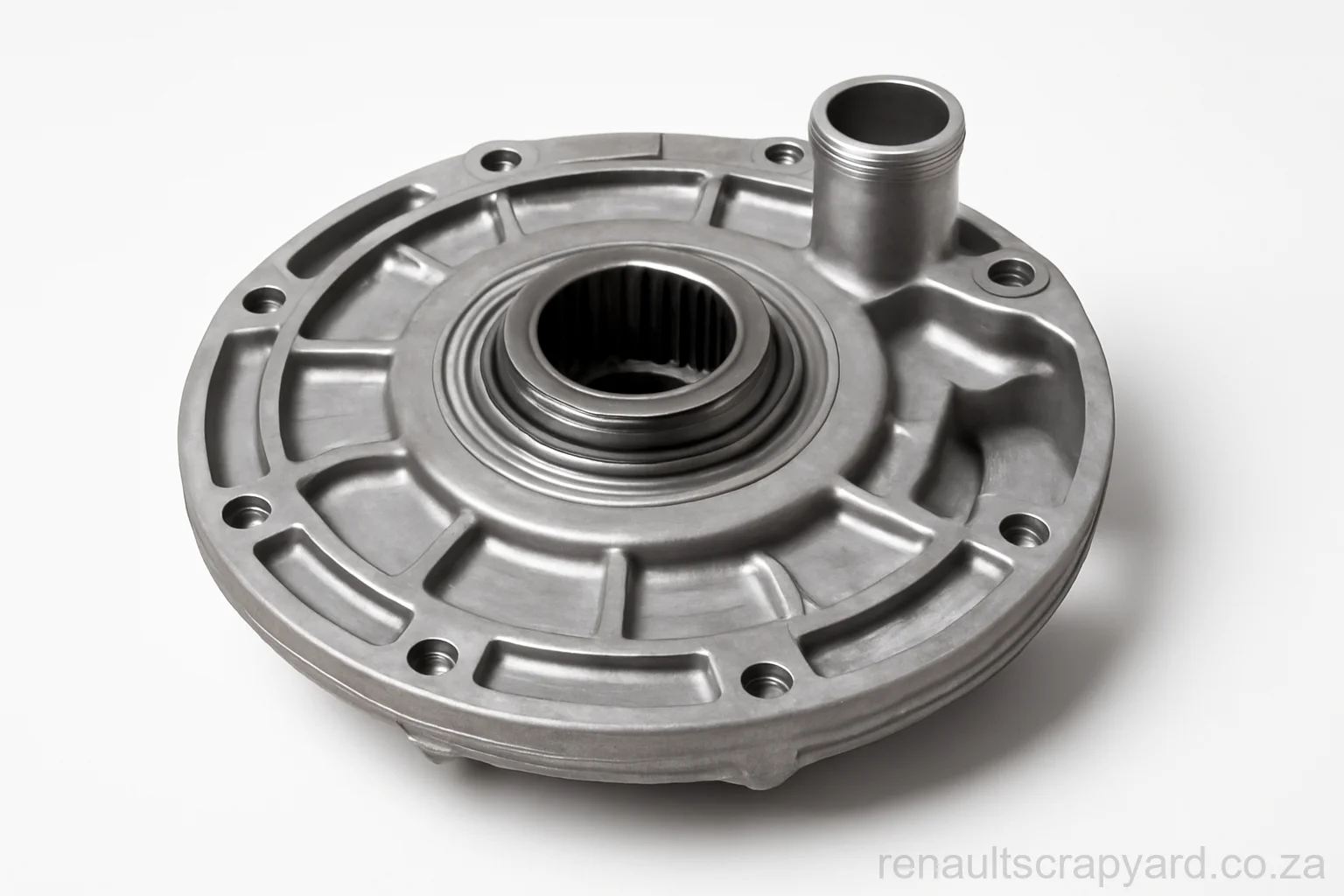
Ford Ranger Transmission Pump
The pump that builds the hydraulic pressure every clutch and band relies on. Low apply pressure, slipping shifts, and pressure-control fault codes can trace back to a worn pump — a component worth checking before condemning the clutches.
Cost Breakdown for the South African Market
Automatic transmission repair costs vary widely depending on whether the fix is a solenoid and fluid job or a full rebuild. These are typical SA ranges — get a quote on the specific part for an accurate figure.
Parts & Repair (ZAR)
- Fluid & filter service: R1,800 – R3,500
- Shift solenoid / range sensor: R2,500 – R6,000 (part + fitment)
- 6R80 lead frame / mechatronic: R6,500 – R12,000
- Torque converter replacement: R12,000 – R28,000
- Full rebuild or exchange gearbox: R25,000 – R45,000+
Labour Costs
- Diagnostic scan: R600 – R1,200 (some gearbox specialists scan free)
- Fluid & filter change: R800 – R1,500 labour
- Transmission removal & refit: R4,000 – R8,000
FAQ
What are the most common Ford Ranger transmission problems?
The most reported automatic-transmission faults on the Ranger are torque converter shudder (a vibration at cruise, often a P0741 code), the 10R80 ten-speed’s CDF drum failure (delayed-then-harsh engagement into Drive), the 6R80 six-speed’s lead frame fault (harsh shifts and speedometer dropout), limp mode triggered by solenoid or fluid faults, and servo-bore wear on the older five-speed automatic. Manual Rangers more commonly see clutch wear and synchro grind. Most can be diagnosed with a proper scan before any teardown.
Why does my Ford Ranger judder or shudder when driving at a steady speed?
A shudder felt at a constant cruise — usually 60 to 90 km/h — is classic torque converter clutch slip. As the converter tries to lock the engine to the gearbox, a worn clutch lining or a sticking lock-up solenoid can’t hold a clean lock, so you feel a fine vibration and may see the RPM flicker. It typically stores a P0741 fault code. Catch it early: a slipping converter sheds friction material into the fluid and can escalate into a full rebuild if ignored.
What causes a Ford Ranger to go into limp mode?
Limp mode is the gearbox protecting itself by locking into one gear and cutting power. On the Ranger it’s usually triggered by low or degraded transmission fluid, a failed shift or pressure-control solenoid, a faulty transmission range sensor, wiring harness damage, or even a weak battery throwing voltage-related faults. It always stores a fault code, so the first step is to scan it — many limp-mode events trace back to something cheap rather than the gearbox itself.
How much does it cost to fix a Ford Ranger transmission in South Africa?
It depends entirely on the fault. A fluid-and-filter service runs around R1,800 to R3,500, a shift solenoid or range sensor around R2,500 to R6,000 fitted, and a 6R80 lead frame around R6,500 to R12,000. A torque converter replacement is roughly R12,000 to R28,000, and a full rebuild or quality exchange gearbox starts around R25,000 and climbs past R45,000 depending on the unit. A proper diagnostic scan first prevents paying for a rebuild when a solenoid was the problem.
Is the Ford Ranger 10-speed automatic reliable?
The 10R80 ten-speed is a capable gearbox, but the earlier units have a documented weak point in the CDF clutch drum, where a pressed-in sleeve can shift and starve the clutch pack of pressure — felt as a delayed engagement into Drive followed by a hard lunge, often with a shift-timing fault code. Later units after the mid-2022 design revision show a lower early-failure rate. Keeping the Mercon ULV fluid in good condition, especially if you tow, is the single best thing you can do for its longevity.
How often should I change the transmission fluid on a Ford Ranger?
Despite “fill for life” marketing on some automatics, heat is what kills these gearboxes, and the Ranger works hard in South African conditions. A fluid-and-filter change around every 60,000 km — sooner if you tow or do a lot of low-range off-road work — is cheap insurance against expensive clutch and converter wear. Always use the correct specification fluid (Mercon ULV for the 10-speed) and confirm the level properly, as overfilling or underfilling both cause shift problems.
Can I drive my Ranger with a transmission warning light on?
You can usually limp home, but you shouldn’t keep driving on it. The warning light or limp mode means the TCM has detected a fault and is protecting the gearbox. Continuing to drive — especially if the fluid is overheating or low — risks turning a repairable fault into a destroyed transmission. Get it scanned promptly; the fault code will tell a workshop whether it’s a cheap fix or something that needs immediate attention.
Should I rebuild my Ranger gearbox or fit a used one?
It depends on the gearbox’s mileage and what’s failed. If a single component has failed early — a lead frame, a solenoid, a converter — repairing that part is usually the better value. On a high-mileage box where multiple parts are worn, a full rebuild or a quality-tested exchange gearbox is often more economical and faster than chasing one fault at a time. A good gearbox specialist will tell you honestly which way the numbers fall after a diagnostic inspection.
Conclusion
Ford Ranger transmission problems range from a cheap solenoid-and-fluid fix to a full rebuild — and which one you’re facing usually comes down to how early you catch the symptoms. A shudder at cruise, a delayed engagement into Drive, a speedometer that drops to zero, or an unexpected limp-mode event are all early warnings worth acting on before debris and heat turn a repairable fault into a replacement gearbox. Scan first, check the fluid and battery, and isolate the failed component before committing to expensive teardown.
The Ranger shares its T6 platform and the 10-speed automatic with the Everest, so if you run the SUV as well it’s worth reading up on the Everest’s common faults. And because many “transmission” warning lights actually start with a tired battery, our Ford Ranger electrical problems guide covers the voltage faults that mimic gearbox failure. When you need a torque converter, valve body, or complete exchange gearbox sourced via Used Ford Parts, call 010 230 0168, WhatsApp 078 574 3998, or email partsoncall123@gmail.com.
Sources
- Cherish Your Car — Ford Ranger Transmission Problems: CDF Drum Failure, Lead Frame Chaos & 10-Speed Shudder: cherishyourcar.com
- Brisbane Tuning & Turbo Centre — P0741 Ford Ranger Torque Converter Clutch Diagnosis: brisbanetuning.com.au
- Drivetrain Resource — Ford Ranger P0741 OBDII Transmission Code Diagnosis: 700r4transmissionhq.com
- StartMyCar — Ford Ranger Transmission: problems and issues: startmycar.com
Affected Ford Models
Related Parts
Need Ford Parts?
Get quality used Ford parts delivered anywhere in South Africa
Share this article
Related Articles

Ford Bantam Common Problems: 8 Faults Every SA Owner Should Know
The 8 most common Ford Bantam problems in South Africa — Rocam engine faults, immobilizer lockout, timing chain rattle, and more with real ZAR repair costs.

Ford EcoSport Common Problems: Wet-Belt Recall 23S64, PowerShift 6DCT250 & the SA Half-Shaft Recall (Owner's Guide)
Complete SA owner's guide to Ford EcoSport problems — Ford 23S64 oil-pump-belt recall, 1.0 EcoBoost wet timing belt, PowerShift 6DCT250 dry-clutch judder, the 2025 Ford SA 25S12 front-half-shaft recall (2,806 SA units), DPF clog on the 1.5 TDCi, SYNC recall and shock-absorber wear. Real repair costs in ZAR.

Ford Everest Problems: 5 Faults Every SA Owner Must Know (Owner's Guide)
The 5 most common Ford Everest problems in South Africa — 2.0 Bi-Turbo wet timing belt, 3.2 TDCi coolant intrusion and cracked block, 10R80 10-speed shudder, DPF clogging and the July 2025 V6 camshaft sprocket recall, with real ZAR repair costs.