


Ford Focus Clutch Problems: Complete Diagnosis & Repair Guide

Quick Info
Estimated Repair Cost
Estimated Repair Time
Quick Info
Estimated Repair Cost
Estimated Repair Time
Key Takeaways
| Problem | Main Symptoms | Possible Causes |
|---|---|---|
| Clutch Slipping | RPM rises without speed increase, burning smell | Worn clutch disc, oil contamination |
| Hard Clutch Pedal | Excessive force needed, pedal sticks | Faulty hydraulics, worn cable |
| Clutch Judder | Vibration during engagement | Worn flywheel, contaminated disc |
| Clutch Noise | Squeaking, grinding sounds | Worn release bearing, damaged pressure plate |
| Gear Selection Issues | Difficult shifting, grinding | Hydraulic problems, worn synchros |
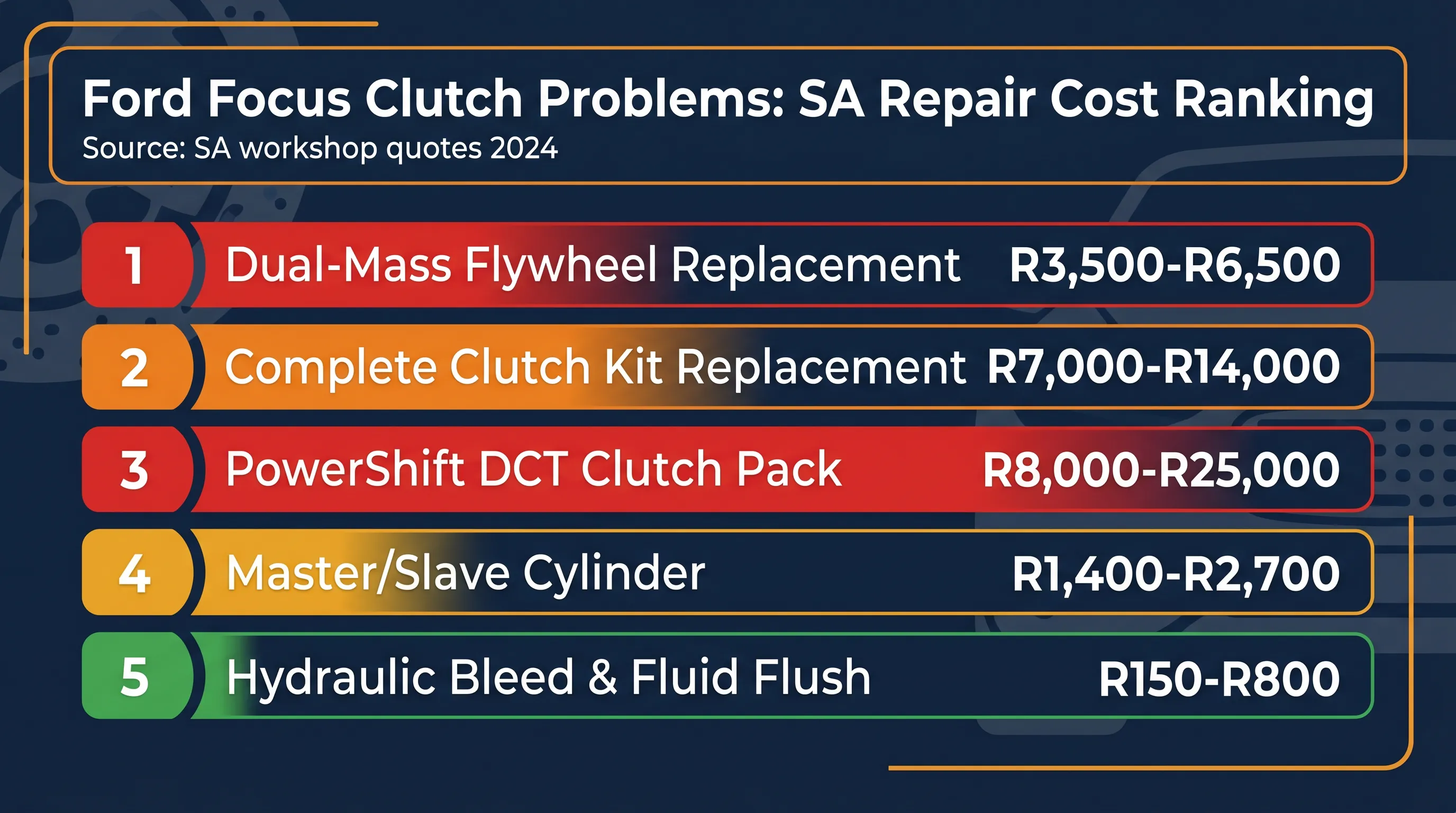
The Ford Focus has been one of South Africa’s most popular compact cars since its introduction, known for its reliability and efficiency. However, like many manual transmission vehicles, Focus models can experience various clutch-related problems, particularly as they age and accumulate mileage. Understanding these issues can help you identify problems early and avoid costly repairs. For a full overview of available replacement components, browse our Ford Focus parts catalogue.
Ford Focus Clutch System Specifications
| Specification | Details |
|---|---|
| Clutch Type | Single dry plate |
| Actuation | Hydraulic (2005+) / Cable (older models) |
| Clutch Disc Diameter | 215mm (1.4L-1.6L) / 240mm (2.0L+) |
| Pressure Plate Type | Diaphragm spring |
| Release Bearing | Hydraulic concentric slave cylinder |
| Service Life | 100,000-150,000 km (typical) |
1. Clutch Slipping
Causes
- Worn clutch friction material due to normal use
- Oil contamination from leaking engine or gearbox seals
- Incorrect clutch adjustment (cable-operated systems)
- Overheating from aggressive driving or heavy loads
Symptoms
- Engine RPM increases without corresponding speed increase
- Burning smell, especially on hills or during acceleration
- Poor acceleration performance despite engine running well
- Clutch pedal engagement point becomes very high
Solution
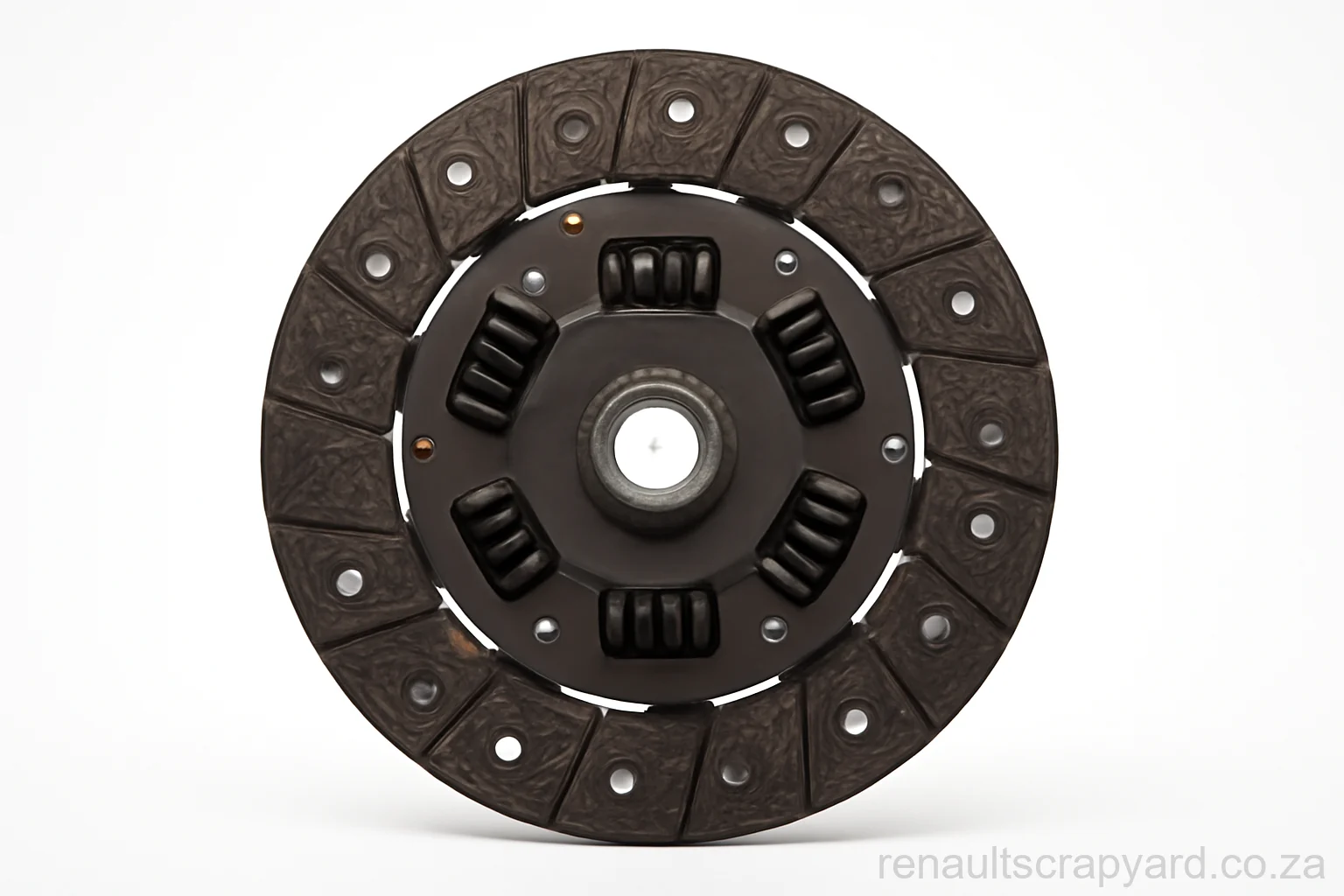
- Complete clutch replacement: Replace clutch disc, pressure plate, and release bearing
- Address oil leaks: Fix any engine or gearbox oil leaks before installation
- Machine or replace flywheel: If contaminated or worn beyond specification
- Replace hydraulic components: If system shows signs of contamination
DIY Difficulty: Hard | Time: 8-10 hours
Warning: Complex Repair
Clutch replacement requires transmission removal and specialized tools. Consider professional installation unless you have experience with major drivetrain work.
2. Hard Clutch Pedal
Causes
- Faulty clutch master cylinder or slave cylinder
- Air in hydraulic system
- Worn or damaged clutch cable (older models)
- Contaminated brake fluid affecting hydraulic operation
Symptoms
- Excessive force required to depress clutch pedal
- Pedal feels spongy or sticks in depressed position
- Difficulty engaging gears, especially when cold
- Hydraulic fluid leaks visible around pedal area
Solution
- Bleed hydraulic system: Remove air bubbles using proper bleeding procedure
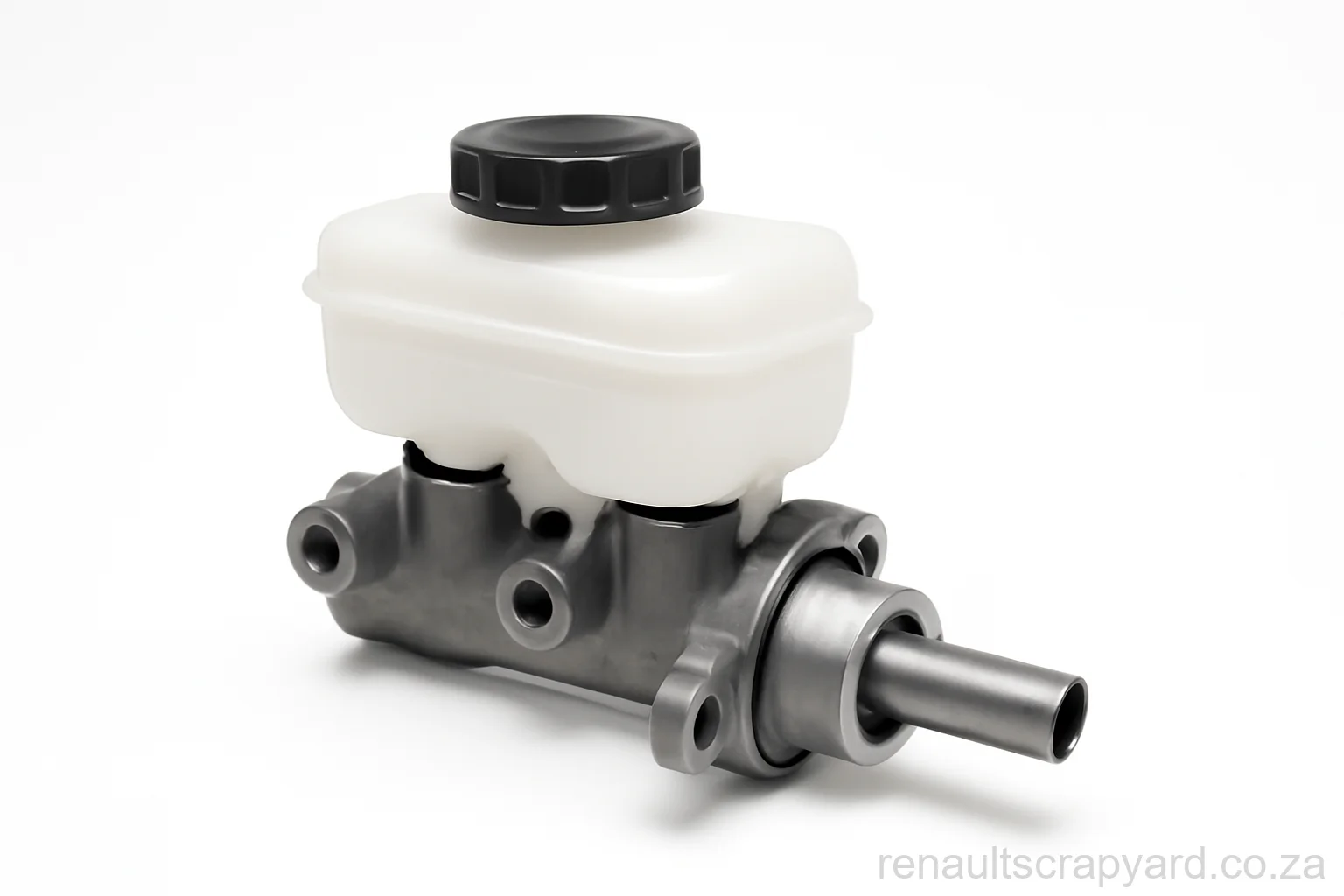
- Replace master/slave cylinder: If internal seals are faulty
- Replace clutch cable: For cable-operated systems
- Flush brake fluid: Use DOT 4 brake fluid as specified
DIY Difficulty: Medium | Time: 2-4 hours
Money-Saving Tip
Try bleeding the hydraulic system first - this simple procedure often resolves hard pedal issues and costs only the price of brake fluid (around R150).
3. Clutch Judder
Causes
- Worn or damaged dual-mass flywheel
- Oil contamination on clutch disc faces
- Worn engine or transmission mounts
- Uneven clutch disc wear patterns
Symptoms
- Vibration through pedal and steering wheel during clutch engagement
- Particularly noticeable when moving off from standstill
- May be accompanied by rattling noise at idle
- Worse when engine is cold
Solution
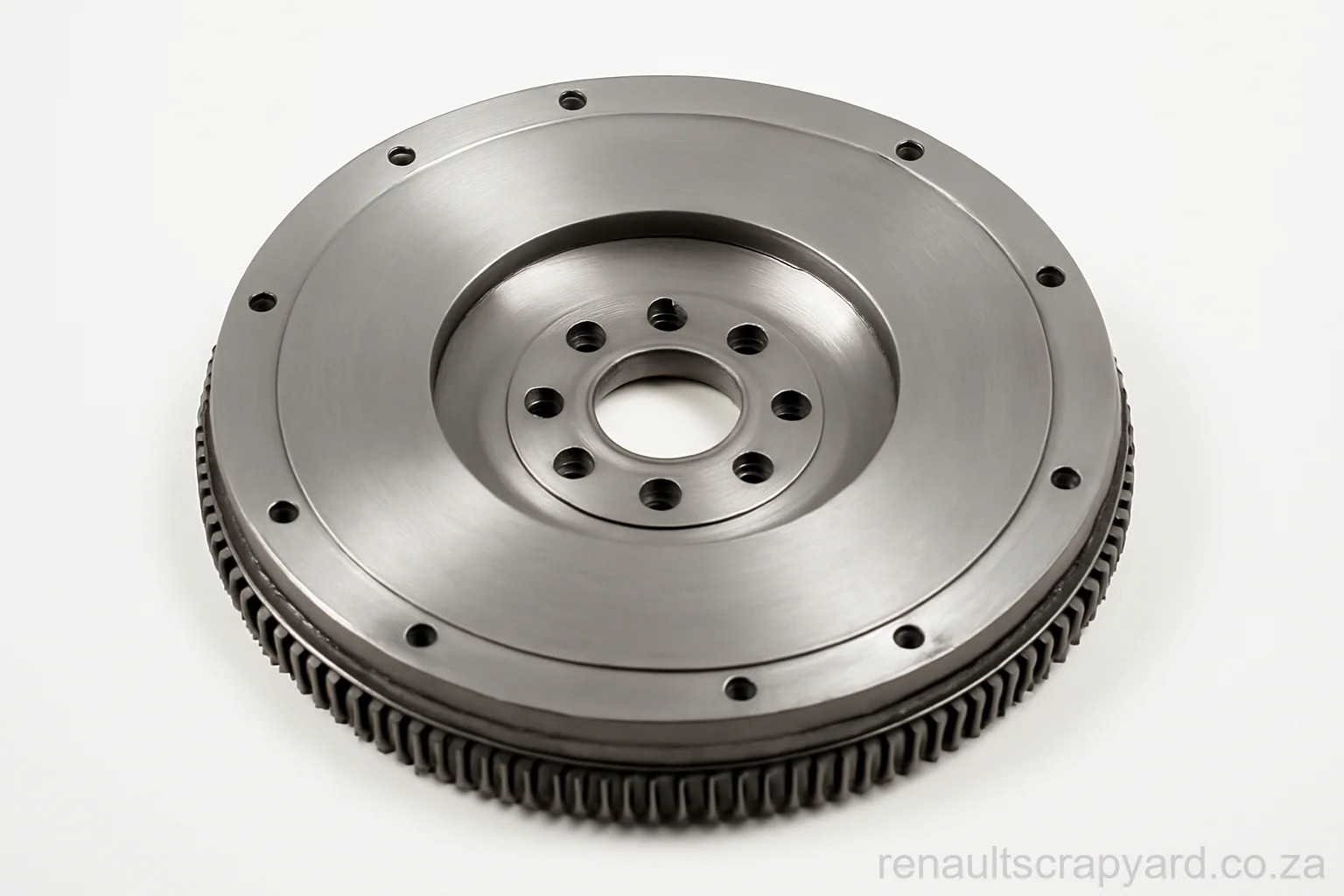
- Replace dual-mass flywheel: Essential if DMF is worn or damaged
- Clean or replace clutch components: If oil contamination is present
- Check and replace mounts: Worn mounts can cause judder
- Resurface flywheel: If within service limits
DIY Difficulty: Hard | Time: 6-8 hours
4. Clutch Noise
Causes
- Worn clutch release bearing
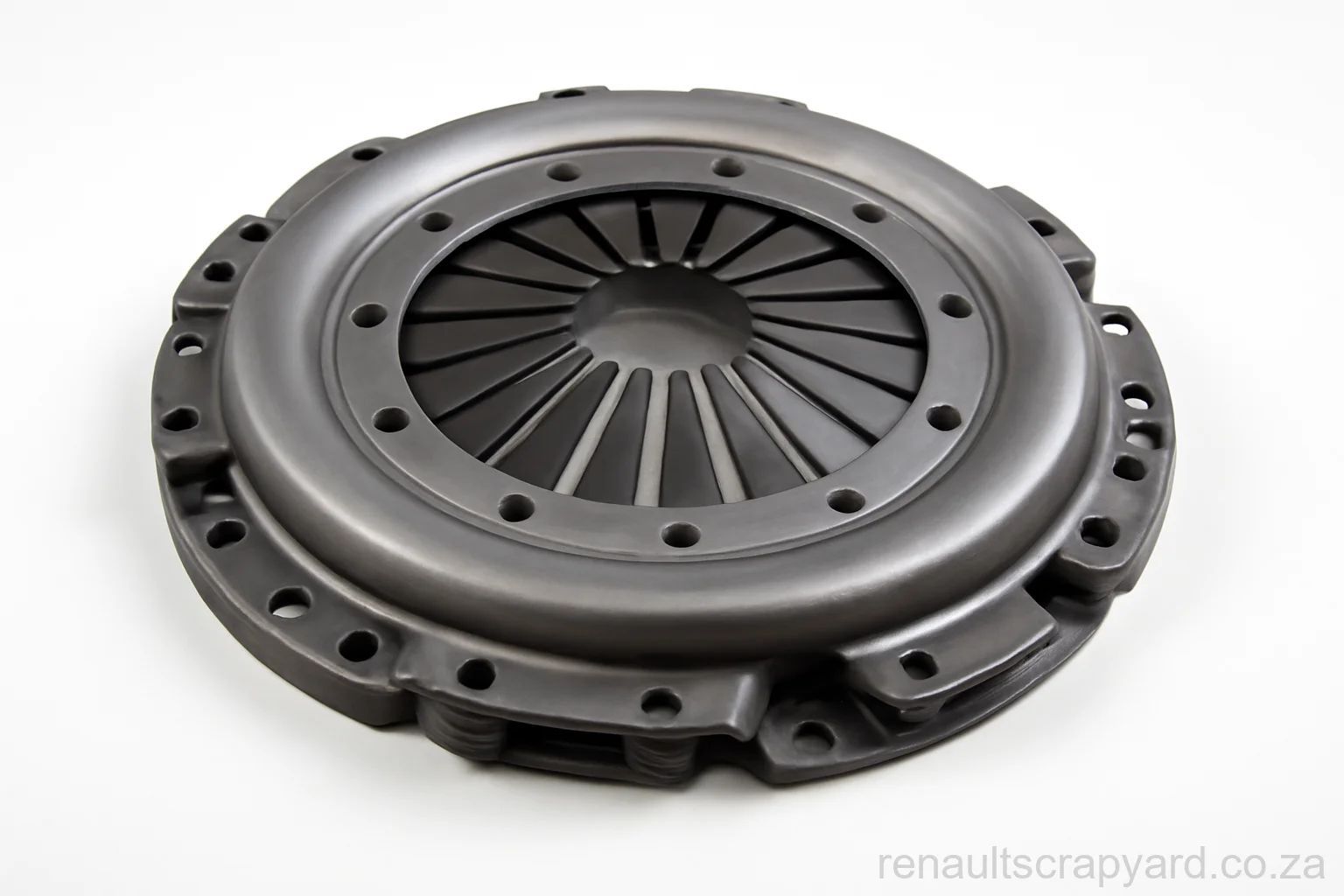
- Damaged pressure plate fingers
- Faulty dual-mass flywheel
- Insufficient lubrication in hydraulic system
Symptoms
- Squeaking or grinding noise when pedal is depressed
- Rattling noise at idle (engine running, pedal up)
- Noise changes or disappears when clutch pedal is pressed
- May be intermittent initially, becoming constant
Solution
- Replace release bearing: Usually part of complete clutch kit
- Inspect pressure plate: Replace if fingers are worn or damaged
- Check DMF condition: Replace if rattling persists
- Lubricate pivot points: For cable-operated systems
DIY Difficulty: Hard | Time: 6-8 hours
5. Gear Selection Issues
Causes
- Low or contaminated gearbox oil
- Worn clutch not fully disengaging
- Faulty hydraulic slave cylinder
- Damaged gear synchronizers
Symptoms
- Difficulty selecting gears, especially first and reverse
- Grinding noise during gear changes
- Gears pop out of engagement
- Clutch pedal must be pumped to engage gears

Solution
- Check gearbox oil level: Top up or change if contaminated
- Adjust clutch: Ensure proper disengagement
- Replace hydraulic components: If not operating correctly
- Professional gearbox inspection: For internal damage
DIY Difficulty: Medium | Time: 1-3 hours
Preventative Maintenance Tips
Regular Service Schedule
| Service Type | Interval | Components |
|---|---|---|
| Clutch Adjustment | 20,000 km | Cable tension, pedal free play |
| Hydraulic System | 40,000 km | Brake fluid, master cylinder |
| Complete Inspection | 60,000 km | All clutch components |
Critical Maintenance Items
- Don’t ride the clutch: Keep foot off pedal when not shifting
- Use correct gearbox oil: Follow manufacturer specifications
- Address leaks promptly: Oil contamination kills clutches quickly
- Warm up properly: Don’t stress cold drivetrain components
Parts Cards — Most Frequently Replaced Focus Clutch Components
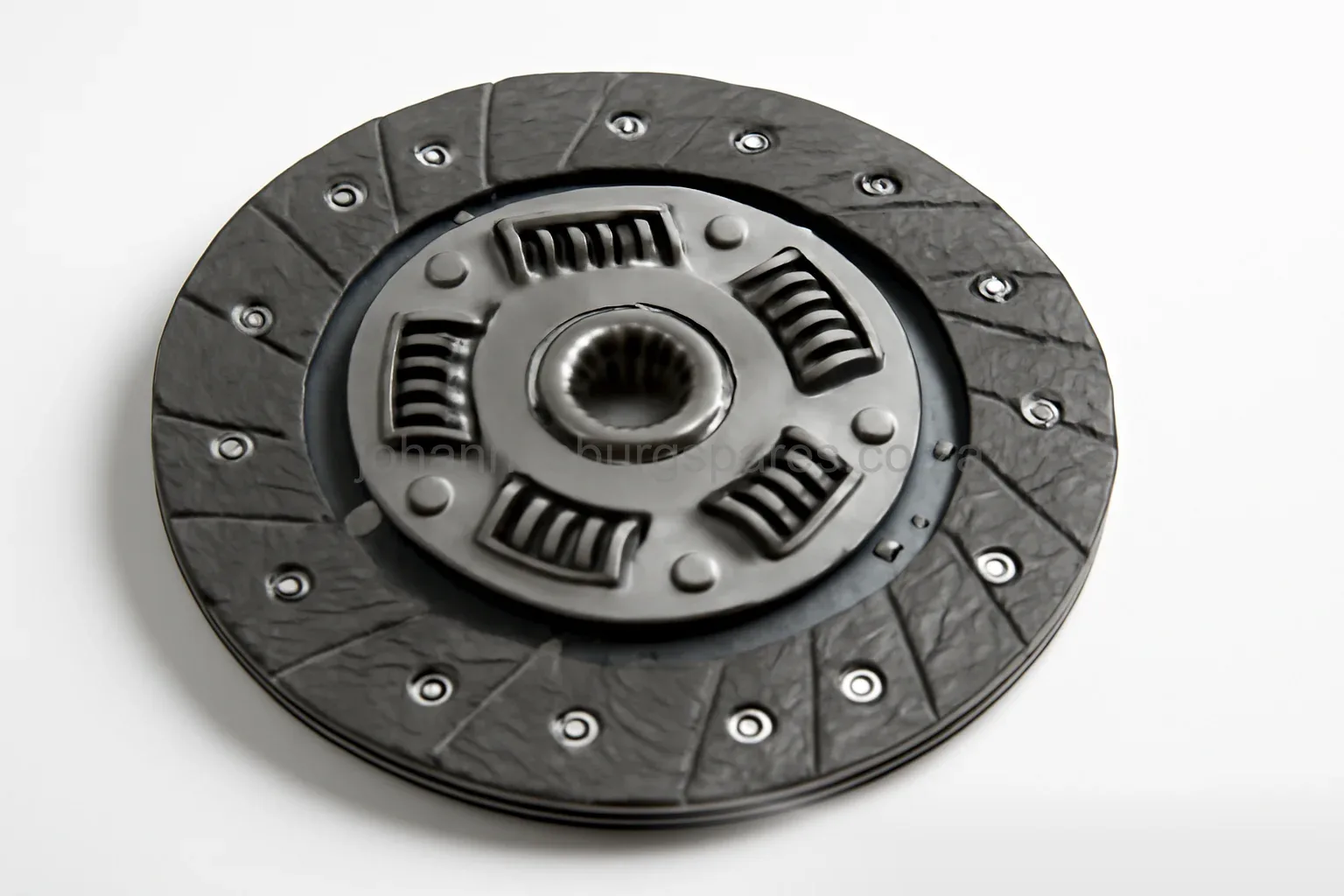
Focus Clutch Kit (Disc, Pressure Plate, Bearing)
The complete clutch kit covers the three wear items that fail together — disc, pressure plate, and release bearing. Replacing them as a matched set avoids a second gearbox-out job within 20,000 km.
Dual-Mass Flywheel
The DMF is the number-one cause of clutch judder on Focus 2.0 and ST models. At R3,500–R6,500, fitting a good second-hand unit while the gearbox is already out is the most cost-effective approach.
Clutch Master & Slave Cylinder
A spongy or hard Focus pedal is almost always a hydraulic seal failure. We stock both master and slave cylinders — fixing hydraulics early avoids premature clutch disc wear.
Cost Breakdown for South African Market
Parts Costs (ZAR)
- Clutch kit (disc, pressure plate, bearing): R4,000 - R8,000
- Dual-mass flywheel: R3,500 - R6,500
- Hydraulic slave cylinder: R800 - R1,500
- Master cylinder: R600 - R1,200
Labour Costs
- Complete clutch replacement: R3,000 - R6,000
- Hydraulic system repair: R800 - R2,000
- Flywheel replacement: R1,500 - R3,000
Conclusion
Ford Focus clutch problems are generally repairable, but costs can vary significantly depending on the specific issue and parts required. Early diagnosis and proper maintenance can help extend clutch life and reduce repair costs. For complex repairs like complete clutch replacement, professional installation is recommended to ensure proper operation and warranty coverage. Owners of Ford’s smaller hatchbacks will recognise similar patterns — Fiesta clutch wear patterns follow much the same progression and share several parts-sourcing considerations.
The key to managing Ford Focus clutch issues is understanding the symptoms and addressing problems before they cause additional damage to expensive components like the flywheel or gearbox. When sourcing parts, browse our Focus transmission components — clutch kits, flywheels, and slave cylinders — or search the complete Focus parts range by system.
FAQ
How long should a Ford Focus clutch last?
A Ford Focus clutch typically lasts 100,000-150,000 kilometers under normal driving conditions. Factors like driving style, traffic conditions, and maintenance affect lifespan significantly.
Can I drive with a slipping clutch?
Driving with a slipping clutch is not recommended as it can cause overheating and damage to the flywheel, requiring more expensive repairs. Address slipping issues promptly.
What’s the difference between cable and hydraulic clutch systems?
Cable systems are simpler but require periodic adjustment. Hydraulic systems are self-adjusting but can suffer from fluid leaks and air bubbles affecting operation.
Should I replace the flywheel when changing the clutch?
Inspect the flywheel condition during clutch replacement. If it shows significant wear, heat damage, or is contaminated with oil, replacement is necessary for proper operation.
How can I extend my clutch life?
Avoid riding the clutch, don’t use it as a hill-hold device, ensure proper warm-up, and address oil leaks immediately to prevent contamination.
Is the Ford Focus known for clutch issues?
Yes — the Ford Focus DPS6 PowerShift dual-clutch transmission (fitted to 2012–2016 Focus automatics sold in South Africa) is particularly notorious for clutch problems. The dry-clutch PowerShift uses two clutch packs instead of a torque converter, and SA owners commonly report jerking, shuddering, and rough shifting from low mileage. Manual-transmission Focus models are more straightforward — the standard hydraulic clutch on the 1.6 and 2.0 petrol engines typically lasts 100,000–150,000 km without major issues.
What years did the Ford Focus have PowerShift problems?
The problematic DPS6 PowerShift transmission was fitted to the Ford Focus from 2012 to 2016 (and the Ford Fiesta from 2011 to 2016). Ford implemented remedies including updated clutch kits and transmission control module fixes, but many SA owners still report persistent shuddering and slipping. If you own a Focus automatic from this period, verify which transmission variant is fitted before buying parts — the DPS6 repair process is completely different from a conventional manual clutch replacement.
How much does a Ford Focus clutch replacement cost in South Africa?
For a manual Focus, expect to pay R4,000–R8,000 for parts (clutch kit + release bearing) plus R3,000–R6,000 in labour at an independent workshop — totalling R7,000–R14,000. If the dual-mass flywheel needs replacement, add R3,500–R6,500. For the DPS6 PowerShift automatic, a full clutch pack replacement runs R8,000–R25,000 depending on whether the transmission control module also needs attention. SA specialist workshops that focus on the DPS6 will generally offer better value than Ford dealers for this specific repair.
Did Ford ever fix the PowerShift transmission?
Ford implemented several remedies over the years — updated clutch kits, improved seals, and transmission control module recalibrations for the DPS6. In some markets Ford also extended warranties and offered buy-back programmes for persistent cases. However, many Focus owners globally found the fixes only partially addressed the shudder and slip. The root cause — a dry-clutch design ill-suited to stop-start city driving — was never fully resolved in the DPS6 generation. Ford moved to a different transmission design in subsequent models.
Is it worth fixing a Ford Focus clutch?
For a manual Focus in good overall condition, yes — a full clutch replacement at R7,000–R14,000 typically restores years of reliable driving and is far cheaper than replacing the car. For a DPS6 PowerShift Focus with recurring transmission problems, the decision is harder: if the TCM, clutch pack, and mechatronic unit all need attention simultaneously, repair costs can approach or exceed the vehicle’s market value. Get a full diagnostic before committing to a DPS6 rebuild — sometimes a software update and clutch pack replacement alone resolves the shudder.
Affected Ford Models
Related Parts
Need Ford Parts?
Get quality used Ford parts delivered anywhere in South Africa
Share this article
Related Articles

Ford Bantam Common Problems: 8 Faults Every SA Owner Should Know
The 8 most common Ford Bantam problems in South Africa — Rocam engine faults, immobilizer lockout, timing chain rattle, and more with real ZAR repair costs.

Ford EcoSport Common Problems: Oil-Pump Belt, PowerShift 6DCT250 & the SA Half-Shaft Recall (Owner's Guide)
Complete SA owner's guide to Ford EcoSport problems — 1.0 EcoBoost oil-pump belt, 1.0 EcoBoost wet timing belt, PowerShift 6DCT250 dry-clutch judder, the 2025 Ford SA 25S12 front-half-shaft recall (2,806 SA units), DPF clog on the 1.5 TDCi, SYNC recall and shock-absorber wear. Indicative repair costs in ZAR.

Ford Everest Problems: 5 Faults Every SA Owner Must Know (Owner's Guide)
The 5 most common Ford Everest problems in South Africa — 2.0 Bi-Turbo wet timing belt, 3.2 TDCi coolant intrusion and cracked block, 10R80 10-speed shudder, DPF clogging and the July 2025 V6 camshaft sprocket recall, with real ZAR repair costs.