


Ford Ranger Fuel Consumption: Official L/100km for Every SA Derivative (2021 and 2026)

Key Takeaways
| Question | Answer from Ford South Africa’s own figures |
|---|---|
| Lowest official figure, current Ranger | 6.8 L/100km — XL 2.0 SiT Double Cab 4x2 manual |
| Highest official figure, current Ranger | 11.5 L/100km — Raptor 3.0 V6 petrol |
| Current 3.0 V6 diesel | 8.3 to 9.4 L/100km, depending on derivative |
| 2021 line-up, 2.2 TDCi Double Cab | 6.5 to 8.6 L/100km |
| 2021 line-up, 3.2 TDCi Double Cab | 8.2 to 8.8 L/100km |
| Fuel tank, every 2026 trim | 80 litres |
| Will you match these figures? | Often not — Ford says they come from a laboratory test, not real-life driving |
Ask ten Ranger owners what their bakkie uses and you will get ten different answers, most of them from a trip computer on one particular road. This guide does something different. It puts Ford South Africa’s own official fuel consumption figure next to every derivative, for the current Ranger and for the 2021 line-up of the previous generation. Then it turns those figures into numbers you can use: kilometres per litre, the theoretical range on a full tank, and what a month of driving costs at the price you actually pay at the pump.
Every figure below was read directly off Ford South Africa’s spec table and brochures, which are listed at the end. If your Ranger is using noticeably more than its official figure, the second half of the guide covers what is worth checking, and you can browse the full Ford Ranger parts range when something needs replacing.
Current Ford Ranger: official combined fuel consumption
L/100km, Ford South Africa 2026 brochure and spec table. Shorter bar = less fuel.
How Ford Measures These Figures
Before the tables, one sentence from Ford matters more than any number in them. Ford South Africa states that its declared figures “were achieved during technical laboratory testing in accordance with the legislated technical specifications (SANS 20101: 2006/ECE R101: 2005 as last amended)”.[1] It also says plainly that the figures “are used to compare different vehicle types under uniform conditions and are not necessarily indicative of real-life driving conditions.”[1]
So treat the official figure as a fair way to compare one Ranger with another, not as a promise of what yours will do. That is also why the figure is so useful when diagnosing a thirsty bakkie: it is the same yardstick for every truck, so a big gap between it and your own logbook is worth investigating.
Current Ranger (2026 Line-Up): Every Derivative
These are the combined-cycle figures from the current Ranger brochure on Ford South Africa’s website (the file is dated 8 October 2026), with the Raptor taken from the live spec table on Ford’s website.[2][1] The km per litre and range columns are our own arithmetic from Ford’s figure and the 80-litre tank that Ford lists for every trim.
| Derivative | Engine | L/100km | km per litre | Theoretical range on 80 L |
|---|---|---|---|---|
| XL 2.0L SiT Double Cab 4x2 6MT | 2.0 SiT diesel | 6.8 | 14.7 | 1 176 km |
| XL 2.0L SiT Double Cab 4x4 6MT | 2.0 SiT diesel | 7.1 | 14.1 | 1 127 km |
| XL 2.0L SiT Super Cab 4x4 6MT | 2.0 SiT diesel | 7.1 | 14.1 | 1 127 km |
| XL 2.0L SiT Double Cab 4x2 10AT | 2.0 SiT diesel | 7.4 | 13.5 | 1 081 km |
| XL 2.0L SiT Super Cab 4x2 10AT | 2.0 SiT diesel | 7.4 | 13.5 | 1 081 km |
| XLT 2.0L SiT Double Cab 4x2 10AT | 2.0 SiT diesel | 7.4 | 13.5 | 1 081 km |
| XLT 2.0L SiT Double Cab 4x4 10AT | 2.0 SiT diesel | 7.7 | 13.0 | 1 039 km |
| Sport 3.0L V6 Double Cab 4WD 10AT | 3.0 V6 diesel | 8.3 | 12.0 | 964 km |
| Wildtrak 3.0L V6 Double Cab 4WD 10AT | 3.0 V6 diesel | 8.4 | 11.9 | 952 km |
| Platinum 3.0L V6 Double Cab 4WD 10AT | 3.0 V6 diesel | 8.4 | 11.9 | 952 km |
| Sport 2.3L T Double Cab 4x2 10AT | 2.3 EcoBoost petrol | 9.3 | 10.8 | 860 km |
| Wildtrak 2.3L T Double Cab 4x2 10AT | 2.3 EcoBoost petrol | 9.3 | 10.8 | 860 km |
| Tremor 3.0L V6 Double Cab 4WD 10AT | 3.0 V6 diesel | 9.4 | 10.6 | 851 km |
| Raptor 3.0L V6 10AT | 3.0 V6 petrol | 11.5 | 8.7 | 696 km |
Three things stand out. The six-speed manual 2.0 SiT is the frugal choice on paper, and the 10-speed automatic costs it 0.6 L/100km in the 4x2 Double Cab. The 3.0 V6 diesel in the Sport, Wildtrak and Platinum is rated between 0.6 and 1.0 L/100km above the 2.0 SiT automatics. And the Tremor, which shares that V6 diesel, is rated 9.4 against the Wildtrak V6’s 8.4.
“Theoretical range” means exactly that: the 80-litre tank divided by the official figure. Nobody runs a tank dry, and real consumption is usually higher, so plan your trips on a good deal less.
The 2021 Ranger: 2.2, 3.2, 2.0 SiT and 2.0 Bi-Turbo
The generation before the current Ranger was sold with four diesels: the 2.2 and 3.2 TDCi Duratorq, and the 2.0 single-turbo (SiT) and Bi-Turbo. Ford South Africa’s Ranger brochure printed in April 2021 lists these Double Cab figures for all four.[3]
| Derivative (Double Cab) | Engine | L/100km | km per litre |
|---|---|---|---|
| XL 2.2TDCi 4x2 6MT | 2.2 TDCi | 6.5 | 15.4 |
| XLS 2.2TDCi 4x2 6MT | 2.2 TDCi | 6.5 | 15.4 |
| XL 2.2TDCi 4x4 6MT | 2.2 TDCi | 7.2 | 13.9 |
| XL 2.2TDCi 4x2 6AT | 2.2 TDCi | 7.6 | 13.2 |
| XL 2.2TDCi 4x4 6AT | 2.2 TDCi | 8.2 | 12.2 |
| XLS 2.2TDCi 4x4 6AT | 2.2 TDCi | 8.2 | 12.2 |
| Base 2.2TDCi 4x2 5MT (88 kW) | 2.2 TDCi | 8.6 | 11.6 |
| XLT 2.0SiT 4x2 10AT | 2.0 SiT | 7.2 | 13.9 |
| XLT 2.0SiT 4x4 10AT | 2.0 SiT | 7.5 | 13.3 |
| Wildtrak 2.0BiT 4x2 10AT | 2.0 Bi-Turbo | 7.8 | 12.8 |
| Wildtrak 2.0BiT 4x4 10AT | 2.0 Bi-Turbo | 7.8 | 12.8 |
| Raptor 2.0BiT 4x4 10AT | 2.0 Bi-Turbo | 8.3 | 12.0 |
| XLT 3.2TDCi 4x2 6AT | 3.2 TDCi | 8.2 | 12.2 |
| Wildtrak 3.2TDCi 4x2 6AT | 3.2 TDCi | 8.2 | 12.2 |
| XLT 3.2TDCi 4x4 6AT | 3.2 TDCi | 8.8 | 11.4 |
One figure looks odd and is worth pointing out: the entry-level Base 2.2 with the five-speed manual and 88 kW is rated 8.6 L/100km, while the 118 kW XL and XLS 2.2 with the six-speed manual are rated 6.5. The less powerful version is not the frugal one in Ford’s own table. If you are shopping for a used 2.2, check which version you are looking at.
The 2.0 SiT is listed on the current Ranger too, so you can compare generations directly: the 2021 XLT 2.0 SiT 4x2 automatic is rated 7.2, and the 2026 XLT 2.0 SiT 4x2 automatic 7.4.
For the mechanical side of the older diesels, our guide to 2.2 and 3.2 TDCi engine faults covers the oil pump, EGR cooler, turbo actuator and injector problems in detail.
Work Out Your Own Fuel Cost
Fuel prices are adjusted regularly, so rather than print a price that will be out of date by the time you read this, put your own numbers in below. Pick your derivative’s official figure, or type in what your logbook says, then enter the price per litre you paid and how far you drive in a month.
Ranger fuel cost calculator
Enter the price per litre you paid to see your cost.
A quick worked example of the arithmetic: at 7.4 L/100km, 2 000 km a month uses 148 litres. Multiply that by your pump price and you have your monthly fuel bill.
Why Your Ranger Uses More Than the Official Figure
Ford’s own fine print lists what moves real consumption away from the official figure. It says consumption is “directly affected by the length of the journey; number of passengers and the amount of luggage carried; individual driving style; road conditions; weather conditions; vehicle age, mileage, condition, and standard of maintenance; use of vehicle features such as air conditioning; and any modifications to the vehicle.”[1]
The US Department of Energy’s fueleconomy.gov site puts numbers on several of these. Its figures are general estimates for US vehicles, not Ranger measurements, so read them as a guide to the size of each effect rather than a Ranger measurement.
| Factor | What fueleconomy.gov says |
|---|---|
| Aggressive driving | Speeding, rapid acceleration and braking “can lower your gas mileage by roughly 15% to 30% at highway speeds and 10% to 40% in stop-and-go traffic”[5] |
| High speed | Fuel economy “usually decreases rapidly at speeds above 50 mph” (about 80 km/h)[5] |
| Load on the roof | A large roof-top cargo box “can reduce fuel economy by around 2% to 8% in city driving, 6% to 17% on the highway”[5] |
| Extra weight | Every “extra 100 pounds” (about 45 kg) “could reduce your MPG by about 1%”, and the effect is smaller on heavier vehicles[5] |
| Tyre pressure | Under-inflated tyres lower economy “by about 0.2% for every 1 psi drop in the average pressure of all tires”[4] |
| Wrong oil grade | Using the manufacturer’s recommended grade can improve economy by 1% to 2%[4] |
| Clogged air filter | On modern fuel-injected petrol “or diesel engines”, replacing it “does not improve fuel economy, but it can improve acceleration”[4] |
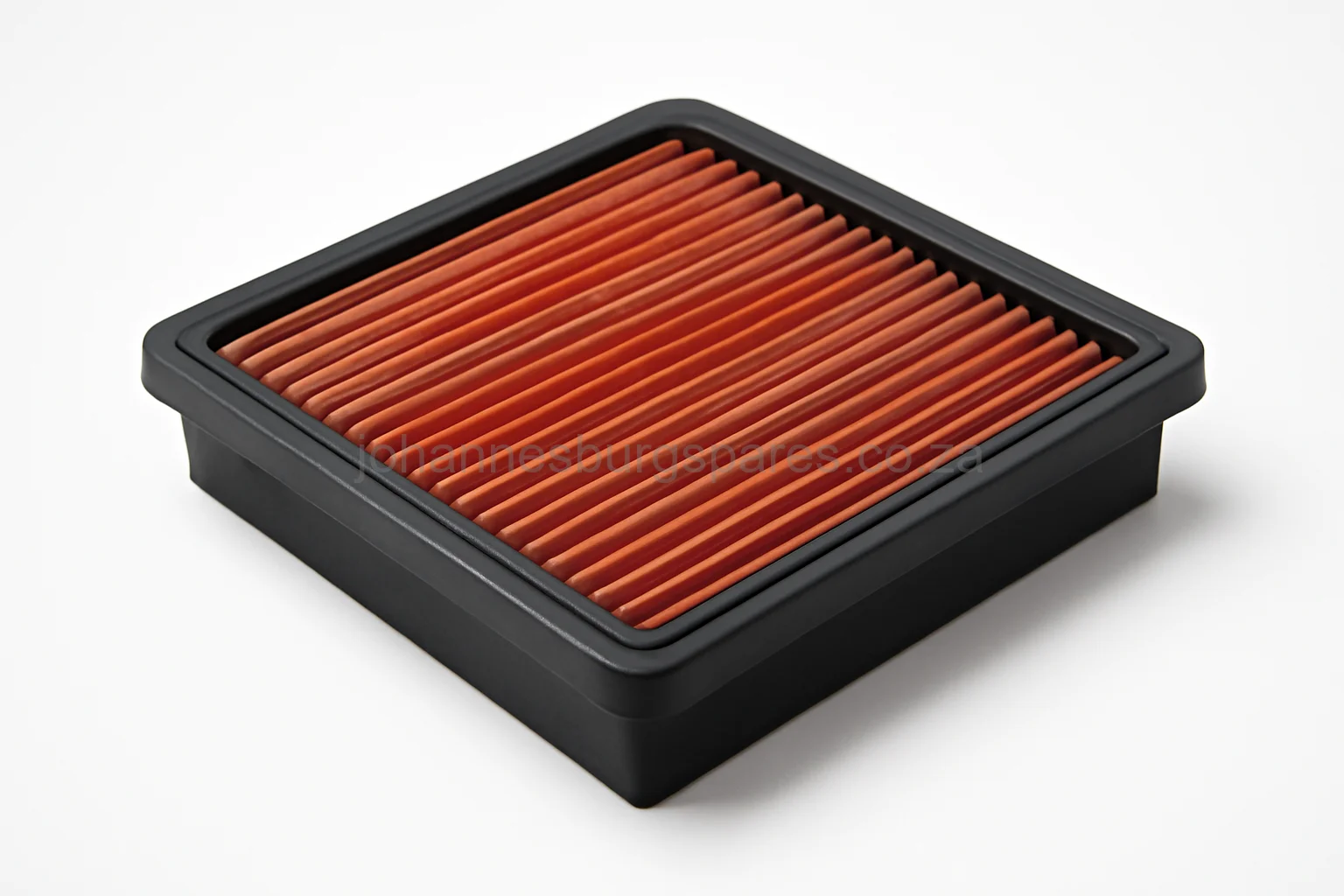
The air filter line is worth knowing. A clogged filter still costs a modern diesel performance, and it should still be replaced on schedule, but on fueleconomy.gov’s evidence it is not where the extra litres are going. Look first at the things on the list that you control: how fast and how hard the truck is driven, what is on the roof and in the load bin, and the tyre pressures.
When the Extra Fuel Points to a Fault
If your driving, load and tyres have not changed and consumption has still climbed, the remaining item on Ford’s list, the vehicle’s condition, becomes the likely suspect. On our related guides, a drop in fuel economy shows up as one of the symptoms of several specific faults:
- On the 2.2 and 3.2 TDCi, worn common-rail injectors list black or grey smoke and a noticeable drop in fuel economy among their symptoms, alongside a metallic knock and rough idle. The engine faults guide linked above covers it in its injector section.
- On the automatics, torque converter shudder can come with rising transmission temperature and a knock-on drop in fuel economy, which our Ranger transmission problems guide covers.
- On the Everest, which shares diesel engines with the Ranger, a clogging diesel particulate filter lists worse fuel consumption among its symptoms, as described in our Ford Everest problems guide.
The honest first step is the cheapest one: keep a written record of litres and kilometres over a few full tanks, so you know the size of the gap before anyone starts replacing parts. A scan for stored fault codes comes next.
Parts Cards — Ranger Fuel and Engine Components
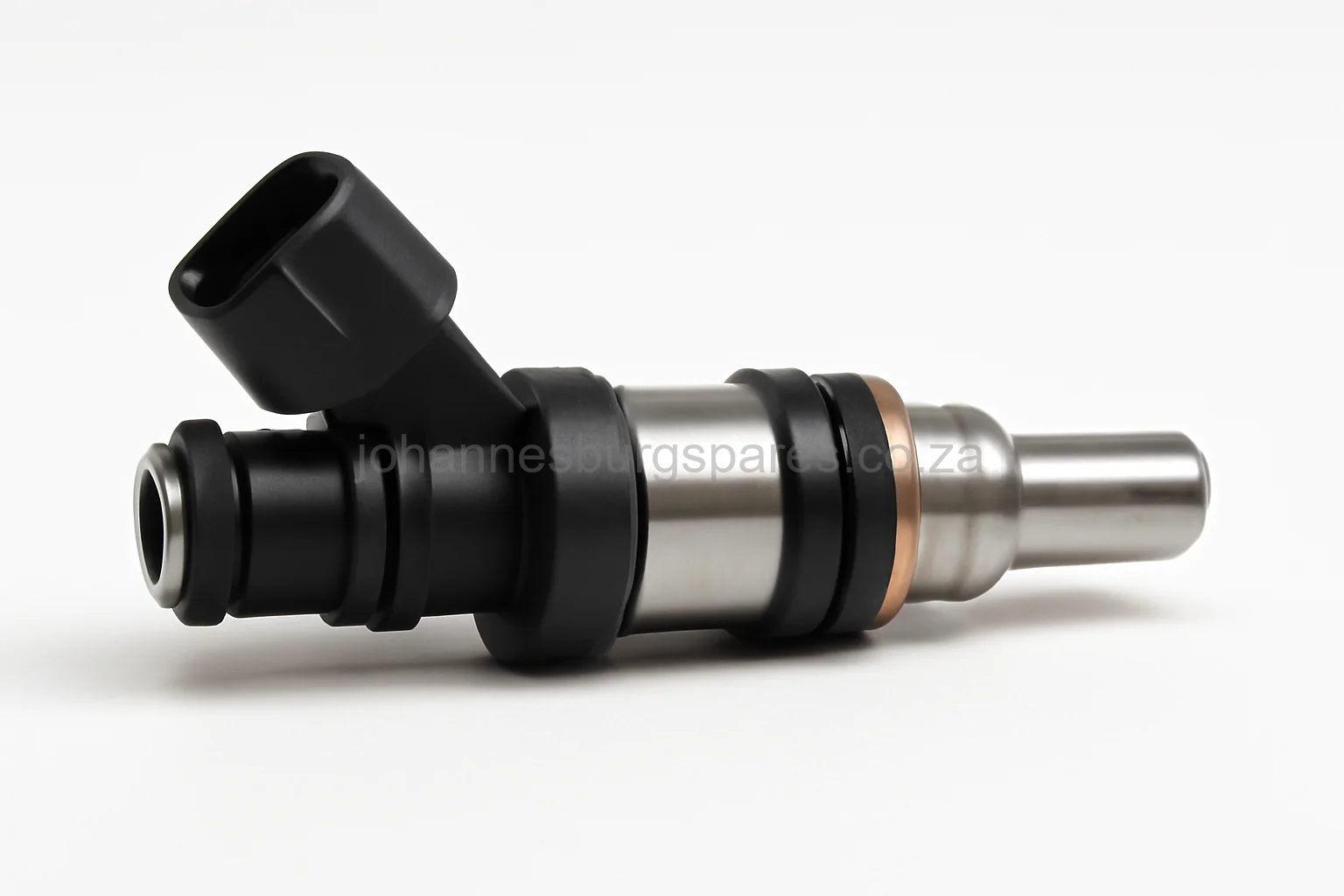
Ford Ranger Fuel Injectors
If a workshop has traced a fuel or running problem to the injectors, tell us your Ranger's engine and year and we will look for a matching injector or set via Used Ford Parts.
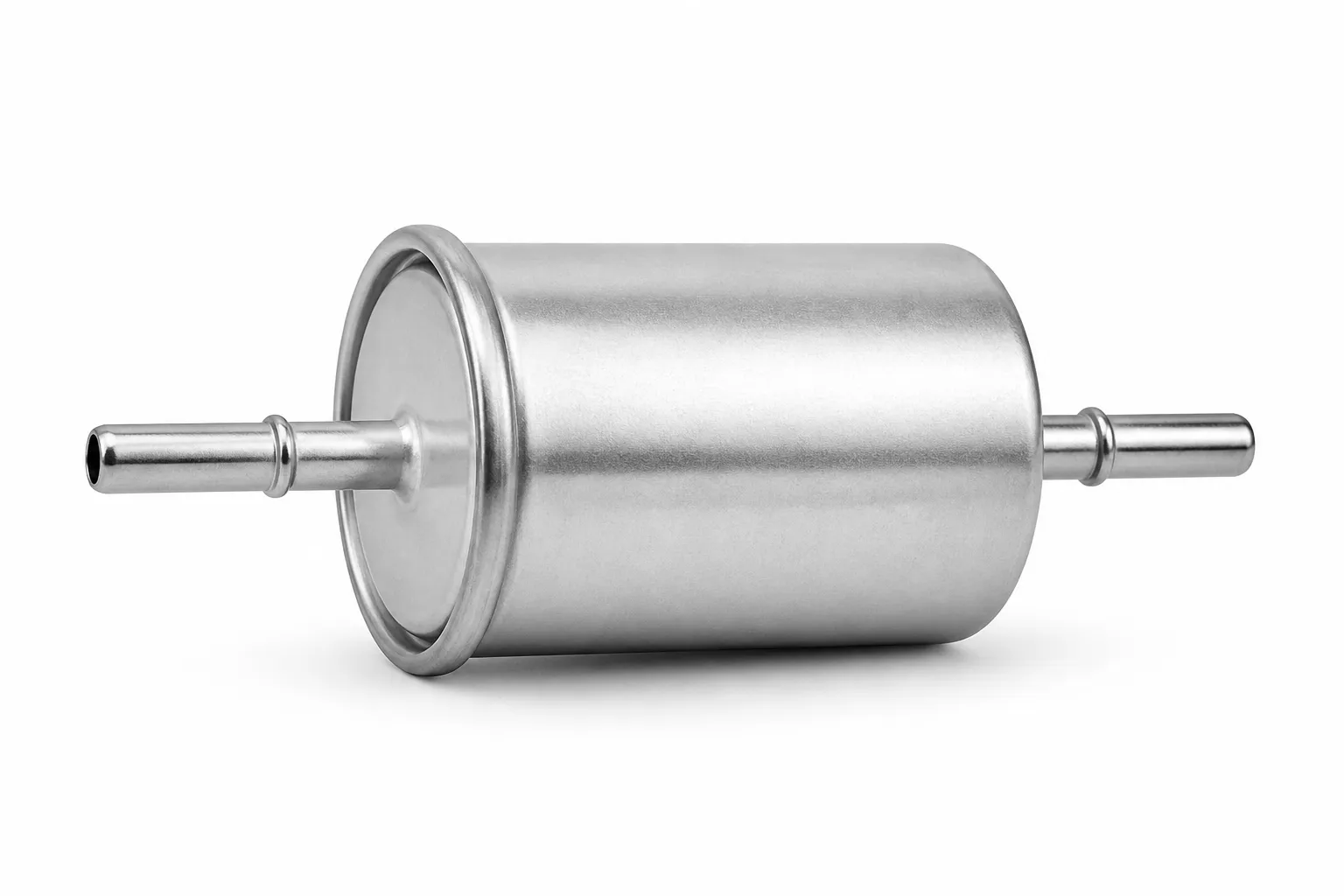
Ford Ranger Fuel System Parts
Fuel filters, pumps, tanks and lines for the 2.2, 3.2, 2.0 and 3.0 V6 Rangers. Send us the part you need and your vehicle details for a quote.

Ford Ranger Engine Parts
Intercooler hoses, turbo components, sensors and complete engines for Rangers in South Africa. Tell us what has been diagnosed and we will source it.
FAQ
How many litres per 100km does a Ford Ranger use?
On Ford South Africa’s official combined figures, the current Ranger uses between 6.8 L/100km (XL 2.0 SiT Double Cab 4x2 manual) and 11.5 L/100km (Raptor 3.0 V6 petrol). The 2.0 SiT diesels sit between 6.8 and 7.7, the 3.0 V6 diesels between 8.3 and 9.4, and the 2.3 EcoBoost petrol at 9.3. Ford notes that these are laboratory figures and real-life consumption depends on how and where you drive.
Do Ford Rangers have good fuel economy?
That depends on the engine more than the badge. In the current line-up, Ford’s official figure for the most frugal Ranger is 6.8 L/100km and for the thirstiest is 11.5 L/100km, so the choice of engine and gearbox makes a bigger difference than anything else. The 2.0 SiT diesel is the economical option on paper, and the 3.0 V6 diesel is rated 0.6 to 1.0 L/100km higher than the 2.0 SiT automatics in Ford’s figures.
What is the fuel consumption of a Ford Ranger 2.2 XLT?
Ford South Africa’s April 2021 brochure lists the 2.2 TDCi in Base, XL and XLS trim only, so there is no 2.2 XLT figure in that line-up. In its Double Cab tables the 2.2 TDCi is rated between 6.5 L/100km (XL and XLS 4x2 six-speed manual) and 8.6 L/100km (Base 4x2 five-speed manual). If your 2.2 XLT is from an earlier model year, check the brochure or handbook for that year.
What is the fuel consumption of a Ford Ranger 2.0 in kilometres per litre?
Converting Ford’s official figures, the current 2.0 SiT works out at between 13.0 and 14.7 km per litre (7.7 to 6.8 L/100km). In the 2021 line-up the 2.0 SiT XLT was 13.3 to 13.9 km per litre, and the 2.0 Bi-Turbo 12.0 to 12.8 km per litre. To convert any L/100km figure yourself, divide 100 by it.
Which uses less fuel, the 3.2 or the 2.0 Bi-Turbo?
On Ford South Africa’s April 2021 figures, the 2.0 Bi-Turbo does: it is rated 7.8 L/100km in the Wildtrak and 8.3 in the Raptor, while the 3.2 TDCi is rated 8.2 to 8.8 L/100km depending on derivative. That is the official laboratory comparison only. It says nothing about towing, durability or how either engine behaves under heavy load.
Conclusion
Ford’s official figures give every Ranger owner a fair yardstick. The current range runs from 6.8 L/100km for a manual 2.0 SiT to 11.5 for the Raptor, and the 2021 line-up from 6.5 for a manual 2.2 to 8.8 for a 3.2 4x4 automatic. Ford itself says many drivers may not achieve its figures in day-to-day driving, so the useful question is not whether you hit the figure, but whether the gap has suddenly grown.
If it has, rule out the free things first: speed, load, roof racks and tyre pressures. Then keep a fuel log and get the truck scanned before buying parts. When a fault is found and you need a part sourced via Used Ford Parts, use the quote buttons above or contact us with your Ranger’s year and engine.
Sources
- Ford South Africa — Ford Ranger specifications and disclaimers (read 22 November 2026): ford.co.za
- Ford South Africa — Ford Ranger brochure, file dated 8 October 2026 (PDF, read 22 November 2026): ford.co.za
- Ford South Africa — Ford Ranger brochure, printed April 2021 (PDF, read 22 November 2026): ford.co.za
- US Department of Energy — fueleconomy.gov, Keeping Your Vehicle in Shape: fueleconomy.gov
- US Department of Energy — fueleconomy.gov, Driving More Efficiently: fueleconomy.gov
Affected Ford Models
Related Parts
Need Ford Parts?
Get quality used Ford parts delivered anywhere in South Africa
Share this article
Related Articles

Ford Bantam Common Problems: 8 Faults Every SA Owner Should Know
The 8 most common Ford Bantam problems in South Africa — Rocam engine faults, immobilizer lockout, timing chain rattle, and more with real ZAR repair costs.

Ford EcoSport Common Problems: Oil-Pump Belt, PowerShift 6DCT250 & the SA Half-Shaft Recall (Owner's Guide)
Complete SA owner's guide to Ford EcoSport problems — 1.0 EcoBoost oil-pump belt, 1.0 EcoBoost wet timing belt, PowerShift 6DCT250 dry-clutch judder, the 2025 Ford SA 25S12 front-half-shaft recall (2,806 SA units), DPF clog on the 1.5 TDCi, SYNC recall and shock-absorber wear. Indicative repair costs in ZAR.

Ford Everest Problems: 5 Faults Every SA Owner Must Know (Owner's Guide)
The 5 most common Ford Everest problems in South Africa — 2.0 Bi-Turbo wet timing belt, 3.2 TDCi coolant intrusion and cracked block, 10R80 10-speed shudder, DPF clogging and the July 2025 V6 camshaft sprocket recall, with real ZAR repair costs.